
Segovia Architecture Guide: A Journey Through Millennia of Spanish Design
December 10, 2025
By Editor
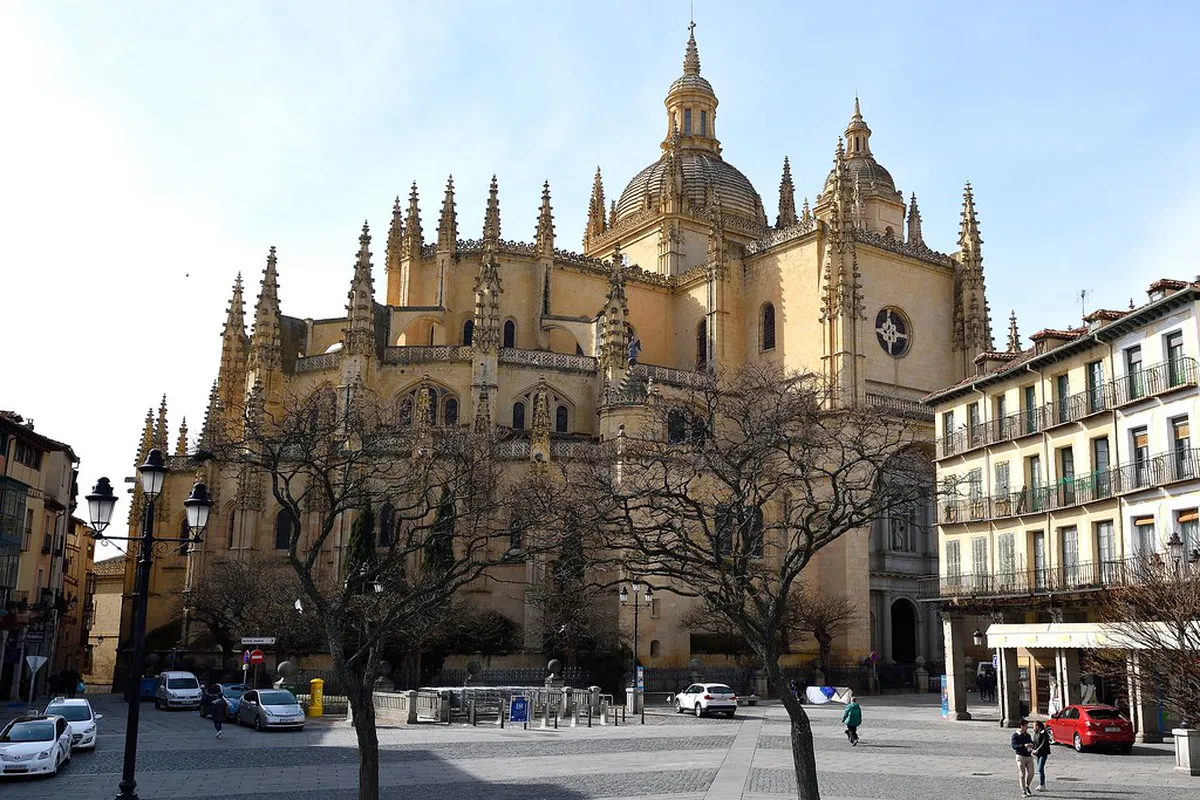
Table of Contents
An Architect's Guide to Segovia: Unveiling Spain's Historic Cityscape
The Enduring Marvel: Roman Architecture in Segovia
The first, and arguably most breathtaking, architectural wonder you encounter in Segovia is the Aqueduct of Segovia. A testament to ancient Roman engineering, this colossal structure, built around 50 AD, stands proudly with its 167 arches, some reaching nearly 30 meters high. Constructed entirely without mortar, using precisely cut granite blocks, it showcases remarkable Roman engineering techniques. It transported water from the Sierra de Guadarrama mountains for over 18 centuries, an incredible feat of durability and design. To truly appreciate its scale, observe it from Plaza del Azoguejo, and for different perspectives, wander along its base or ascend to viewing points such as those detailed in our guide to best viewing spots for Segovia Aqueduct. The aqueduct is a prime example of Roman architecture in Segovia and remains a symbol of the city's ancient roots. Learn more about how the Segovia Aqueduct was built and the specific use of granite in the aqueduct.Fairytale Grandeur: The Alcázar of Segovia
Perched dramatically on a rocky promontory, the Alcázar de Segovia is a striking blend of fortress, royal palace, and military academy. Its silhouette, often compared to a ship's bow, is one of Spain's most recognizable landmarks. Originally a Roman fort, it evolved through various periods, showcasing a fascinating mix of architectural styles. The earliest sections feature Romanesque foundations, but it's the later Gothic additions and especially the rich Mudéjar art that truly captivate. Inside, explore opulent halls with stunning wooden ceilings, such as those discussed in exploring the Mudéjar ceilings in Alcázar. The Tower of Juan II offers panoramic views of the city and surrounding landscape. Understanding the architectural history of the Alcázar of Segovia reveals its transformations from a defensive stronghold to a magnificent royal residence.The Lady of Cathedrals: Segovia Cathedral's Gothic Majesty
Dominating the Plaza Mayor is the magnificent Segovia Cathedral, often referred to as the 'Lady of Cathedrals' due to its impressive size and elegance. Conceived in the late Gothic style, it was built between the 16th and 18th centuries, making it one of the last major Gothic cathedrals constructed in Spain. Its soaring vaults, intricate stained-glass windows, and elaborate altarpieces are prime examples of Gothic architecture in Segovia. Pay close attention to the delicate tracery, the impressive cloister, and the detailed carvings. Our guide on identifying Gothic features of Segovia Cathedral will enhance your visit, as will an exploration of its exquisite stained glass windows. The cathedral's unique position in the history of Gothic architecture is highlighted when comparing Gothic styles in Segovia Cathedral with other European examples.A Walk Through Time: Segovia's Romanesque Churches
💡 Pro Tip: Book your Segovia adventures in advance through Viator for the best deals!
Mudéjar Influences and Renaissance Flourishes
Segovia's architecture also offers a rich tapestry of Mudéjar art, a style developed by Muslim craftsmen working in Christian kingdoms, blending Islamic and Christian elements. This influence is particularly evident in wooden ceilings, brickwork, and decorative patterns found in many buildings, including the Alcázar. Discover where to see Mudéjar architecture in Segovia beyond the Alcázar. As the city prospered, Renaissance styles began to emerge, particularly in its elegant palaces. The Renaissance palaces of Segovia, such as the Casa del Cordón and the Casa de los Picos, exhibit classical proportions, detailed facades, and impressive courtyards. The distinctive 'sgraffito' technique, seen on many facades, is a unique local decorative art form worth understanding. This technique, where contrasting layers of plaster are scratched away to create patterns, adds a unique texture and charm to the city's streets. Explore the architectural significance of Casa de los Picos and learn how sgraffito is created.Baroque Elegance and Beyond
🌟 Local Expert Tip: Get the most out of your Segovia visit with guided tours!
Hidden Gems and Urban Fabric: Walls, Courtyards, and the Jewish Quarter
Segovia's architectural charm extends beyond its famous monuments. The ancient city walls, dating back to Roman and medieval times, still encircle parts of the old town, offering scenic walks and views. Learn about the best sections of the Segovia city walls to walk on. The charming Jewish Quarter (Juderia), with its narrow winding streets, traditional houses, and the former Main Synagogue, provides a glimpse into the city's multicultural past. Take a self-guided walking tour of the Judería to appreciate its distinct character. Throughout the city, many buildings feature beautiful traditional courtyards (patios), providing cool oases and showcasing exquisite detailing. These courtyards play a significant architectural role in defining the city's private and semi-private spaces. Don't miss exploring some of Segovia's most underrated architectural sites.Architectural Exploration: Practical Tips and Tours
To fully immerse yourself in Segovia's architectural splendor, consider taking a guided architecture tour or embarking on a self-guided architecture walk with a map. Our 1-day architecture itinerary offers a comprehensive plan. For photographers, Segovia is a dream destination. Discover the best photo spots for Segovia architecture and get tips for photographing the Aqueduct, especially during the best time of day for architecture photography. Understanding the types of stone used in Segovia architecture and the historical context will deepen your appreciation. If you have mobility concerns, consult our guide to accessible architecture in Segovia. For further reading, check out recommended books on Segovia architecture.Frequently Asked Questions
⭐ Recommendation: Don't miss out on amazing Segovia tours - book now!
What are the three most famous architectural sites in Segovia?
The three most famous architectural sites in Segovia are the Roman Aqueduct, the Alcázar of Segovia, and the Segovia Cathedral. These iconic landmarks showcase Roman, medieval, and Gothic architectural styles respectively and are designated UNESCO World Heritage sites.
What is 'sgraffito' and where can I see it in Segovia?
Sgraffito is a decorative technique where layers of plaster of contrasting colors are applied to a surface, then scratched away to reveal patterns or images. It's a distinctive feature of Segovian architecture. You can see excellent examples on many buildings throughout the old town, most notably on the facade of the Casa de los Picos and numerous other noble houses.
Are there Roman ruins in Segovia besides the Aqueduct?
While the Aqueduct is the most prominent Roman structure, other Roman influences and remnants exist. The original foundations of the Alcázar are believed to be Roman, and archaeological findings occasionally uncover other traces. For a broader view, our article where to find Roman ruins in Segovia provides more details.
What makes Segovia's Romanesque churches unique?
Segovia's Romanesque churches are particularly unique for their 'galerías porticadas' or covered arcades. These open-air porticoes, often found on the south side, served as gathering spaces for the community. The Iglesia de San Millán and the Iglesia de la Vera Cruz are excellent examples, showcasing distinctive Segovian Romanesque features.
Can I visit the palaces outside of Segovia's city center?
Yes, you can absolutely visit palaces like the Palacio Real de La Granja de San Ildefonso and the Royal Palace of Riofrío, which are located a short distance from Segovia. They are accessible by public transport or car and offer stunning architecture, historical insights, and beautiful gardens.
Key Takeaways
- Segovia is a UNESCO World Heritage city renowned for its diverse architectural heritage.
- The Roman Aqueduct of Segovia is an extraordinary example of ancient Roman engineering, built without mortar.
- The Alcázar of Segovia is a fairytale castle showcasing Romanesque, Gothic, and Mudéjar architectural styles.
- Segovia Cathedral is a magnificent late-Gothic masterpiece, often called the 'Lady of Cathedrals'.
- The city boasts numerous Romanesque churches, characterized by their unique 'galerías porticadas'.
- Mudéjar art, blending Islamic and Christian influences, is visible in many Segovian buildings, especially in the Alcázar's ceilings.
- Renaissance palaces, featuring the distinctive 'sgraffito' facade technique, add to the city's charm.
- Beyond the city center, grand Baroque palaces like La Granja de San Ildefonso offer further architectural exploration.
- The historic city walls, the Jewish Quarter, and traditional courtyards contribute to Segovia's rich urban fabric.