
Explore Santander Architecture: Your Ultimate Guide
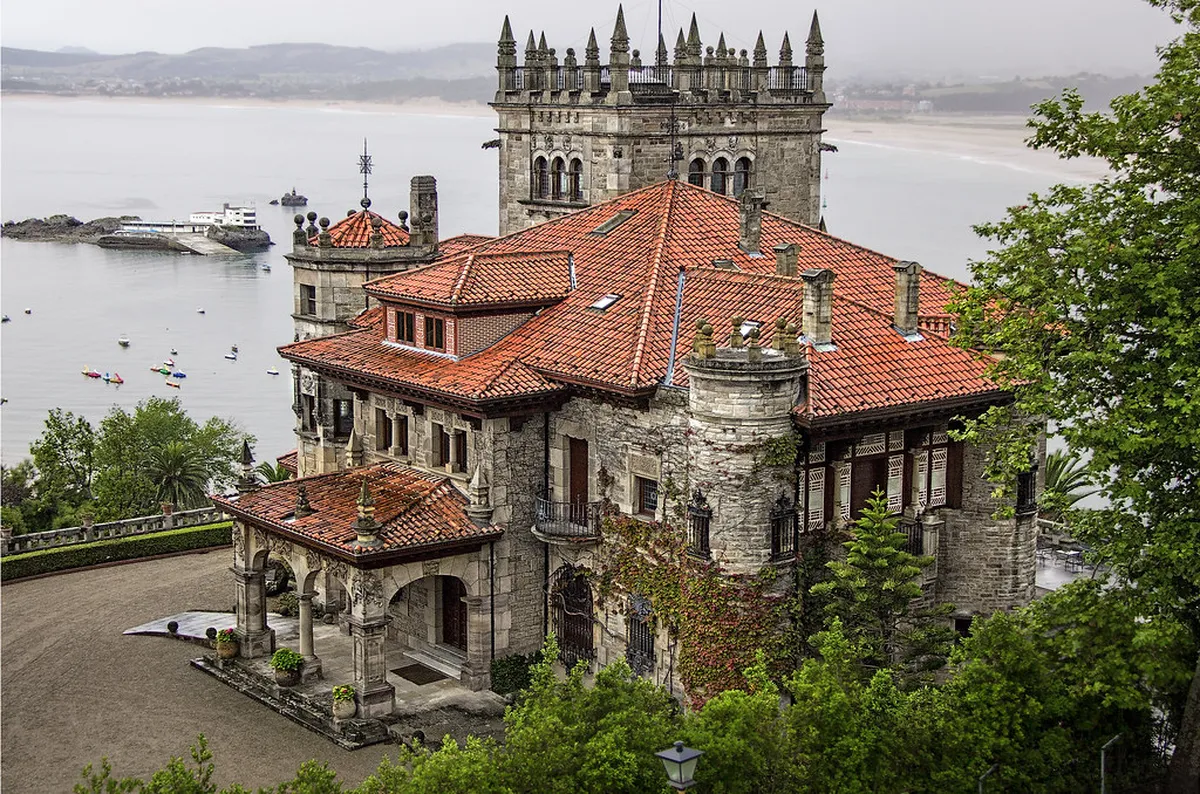
Table of Contents
Discover Santander's Architectural Wonders in 2025
Santander, a captivating city in northern Spain, boasts a rich architectural tapestry. Its buildings tell stories of resilience and renewal. A devastating fire in 1941 reshaped much of its urban landscape.
Yet, stunning historic structures survived. This Santander architecture guide explores its unique blend of styles. You will discover ancient Gothic and bold contemporary designs. Prepare to explore this fascinating city in 2025. Discover hidden gems and iconic landmarks. Learn about the city's remarkable urban planning history. This guide helps you navigate its architectural beauty.
Modern Icons: The Centro Botín
Santander's modern architectural scene shines bright with the Centro Botín. This striking cultural center sits gracefully over the bay. Renzo Piano, a Pritzker Prize-winning architect, designed it. It opened in 2017, transforming the city's waterfront.
The building features two distinct volumes. They are clad in 270,000 iridescent ceramic discs. These discs reflect the changing light and water. It offers stunning views of the bay and city. Learn more about the Centro Botín architecture here.
This innovative design lifts the building above the ground. It creates a new public square beneath its structure. The elevated walkways offer unique perspectives. They seamlessly connect the city gardens to the sea. The building truly integrates with its surroundings.
Entry to the art center costs around €8 for adults. However, access to its elevated walkways is free. It provides a unique perspective of the port. Consider a visit in the morning for softer light. Discover who designed the Centro Botín building for more details.
The innovative structure utilizes advanced engineering. Its unique construction involved a complex maritime foundation. This ensures stability above the water. Dive deeper into Centro Botín construction materials for insights. The building represents a bold vision for Santander's future.
Royal Grandeur: Palacio de la Magdalena
The Palacio de la Magdalena stands as a majestic symbol. This former royal summer residence crowns the Magdalena Peninsula. It offers breathtaking panoramic views of the bay. King Alfonso XIII and Queen Victoria Eugenie used it.
Its construction finished in 1912. The palace showcases an eclectic mix of styles. English influence blends with regional mountain aesthetics. It's a prime example of Belle Époque buildings in Santander. Explore its unique architectural style of Palacio de la Magdalena.
The palace interior boasts elegant reception rooms. Grand staircases and intricate wood paneling are notable. These details reflect the opulence of the royal era. Many original furnishings are still preserved. Imagine royal life within these walls.
Visitors can explore the palace grounds for free. The lush gardens and coastal paths are inviting. Guided tours of the interior are also available. These tours usually cost around €5 per person. Check schedules in advance, especially in 2025.
The surrounding park features a small zoo. It also has a replica of a caravelle ship. This makes the area enjoyable for all ages. Consider touring the Palacio de la Magdalena interior. It's a truly enriching experience for history buffs.
Historic Foundations: Cathedral and Gothic Traces
The Cathedral of Santander reveals layers of history. It survived the devastating 1941 fire. This grand structure stands on earlier Roman foundations. Its original construction began in the 12th century.
The upper church boasts significant Gothic elements. Pointed arches and ribbed vaults dominate its design. These features offer a stark contrast to modern styles. Discover more about Santander Cathedral Gothic features. The serene cloister provides a peaceful escape.
The cathedral complex actually comprises two churches. The lower church, the Crypt of El Cristo, is older. It dates back to the 13th century. This crypt holds the remains of city martyrs. Its Romanesque style offers a unique historical perspective.
Entry to the cathedral is generally free. Small donations are appreciated for maintenance. Guided tours are occasionally available. These tours offer deeper insights into its past. Learn about the history of the Santander Cathedral crypt. It showcases the city's ancient roots.
Other glimpses of Gothic architecture in Santander are rare. The fire destroyed much of the medieval city. Yet, the cathedral provides a vital connection to the past. It showcases the city's enduring spirit. Seek out these profound historical details during your visit.
Rebirth from Ashes: Post-Fire Santander's Urban Design
💡 Pro Tip: Book your Santander adventures in advance through Viator for the best deals!
The tragic 1941 fire dramatically reshaped Santander. It destroyed much of the city's historic core. This catastrophe led to a comprehensive rebuilding effort. The urban layout was carefully re-envisioned.
Architects embraced neoclassical and rationalist styles. They aimed for functionality and grandeur. The new city center emerged with wide avenues. Buildings often featured stately facades. Understand how the 1941 fire changed Santander profoundly.
A prime example is the Plaza Porticada. It became a central public square. This plaza embodies the neoclassical spirit of reconstruction. Its uniform arcades create a harmonious space. Discover the architectural significance of Plaza Porticada. It's a testament to the city's rebirth.
The rebuilding included significant infrastructure improvements. New residential blocks also rose from the ashes. This period defined much of Santander's current appearance. The city developed a distinct modern identity. Its resilience truly shone through these efforts.
Another iconic structure is the Banco de Santander building. This imposing structure sits on Paseo de Pereda. Its grand scale reflects the era's ambition. Many buildings from this period define the city center. Explore the reconstruction architecture in Santander city center. This era shaped modern Santander significantly.
Elegant Strolls: Paseo de Pereda and El Sardinero
Strolling along Paseo de Pereda offers architectural delights. This elegant promenade features beautiful waterfront buildings. Many showcase distinctive arcades and ornate balconies. These structures survived the 1941 fire due to location.
The buildings here reflect early 20th-century grandeur. You'll spot Belle Époque influences and classicism. Take time to admire the intricate details. These facades represent Santander's golden age. Learn about the architectural highlights of Paseo de Pereda. The area is perfect for leisurely exploration.
The famous 'Edificio del Banco Mercantil' is on this promenade. It's known for its striking dome and ornate facade. This building highlights the financial prosperity of the era. Its detailed craftsmanship is truly remarkable. Look for its intricate carvings and decorative elements.
Further along the coast, discover El Sardinero. This upscale district boasts stunning coastal villas. These residences showcase a variety of styles. They often blend regional elements with Belle Époque charm. Explore the preserved architecture in El Sardinero district. The area is perfect for a scenic walk.
The iconic Gran Casino del Sardinero anchors this area. Its elaborate design dates back to 1916. It evokes the glamour of a bygone era. Visitors can enter the casino, but check dress codes. Explore the architectural history of the Gran Casino for more. It remains a striking landmark in Santander.
Hidden Gems and Unique Architectural Details
🌟 Local Expert Tip: Get the most out of your Santander visit with guided tours!
Beyond the major landmarks, Santander holds smaller treasures. Many streets feature fascinating architectural details. Look closely at facades, balconies, and doorways. You will find intricate ironwork and unique carvings.
These elements provide insight into the city's past craftsmanship. Some residential areas display traditional Cantabrian styles. Others hide subtle Art Nouveau touches. Explore these often-overlooked spots for genuine discoveries. Discover hidden architectural gems throughout the city.
The city's building materials also tell a story. Local stone and traditional timber are common. However, the post-fire reconstruction introduced concrete. Steel and glass became prominent in modern designs. Learn about Santander building materials for deeper context. The blend reflects historical periods.
Wander through less-trafficked streets near the center. You might encounter charming courtyards or surprising facades. The old Mercado de la Esperanza boasts impressive iron architecture. This historic market offers a glimpse into industrial design. Its structure is both functional and aesthetic.
Don't forget to look up when exploring. Many buildings feature decorative cornices and rooflines. These intricate touches are easy to miss. Paying attention to these Santander architectural details enriches your visit. They add character to the urban fabric.
Frequently Asked Questions
🌟 Local Expert Tip: Get the most out of your Santander visit with guided tours!
What are the main architectural styles in Santander?
Santander features a diverse range of styles. Gothic traces remain in the cathedral. Belle Époque grandeur is evident in El Sardinero. Post-fire reconstruction brought Neoclassical and Rationalist designs. Modern architecture shines with the Centro Botín.
This unique blend creates a fascinating urban landscape. You can observe centuries of design evolution. This makes a Santander architecture map very useful. Explore the distinct characteristics of each era. Learn how they contribute to the city's charm.
Can I take a self-guided architecture tour in Santander?
Absolutely, Santander is very walkable for a self-guided tour. Focus on areas like Paseo de Pereda and El Sardinero. Download a map or use online resources. Many key buildings are visible from the street.
Plan your route to include the Centro Botín and Cathedral. Don't miss the elegant facades around Plaza Porticada. Consider this self-guided architecture walk map. It helps you navigate easily and efficiently.
How much does it cost to visit major architectural sites?
Many sites offer free exterior viewing. This includes Centro Botín's elevated paths. Walking through El Sardinero is also free. The stunning Palacio de la Magdalena grounds are freely accessible.
Interior tours, like Palacio de la Magdalena, may cost €5-€8. The Cathedral generally offers free entry. Small donations are often appreciated. Seek out free architecture to see across the city. Many architectural gems await you without a ticket.
Santander's architecture offers a captivating journey through time. From ancient Gothic foundations to avant-garde modern designs, the city unfolds. Its resilience after the 1941 fire is visibly evident. Plan your visit to discover these incredible buildings in 2025.
Dive deeper into Santander contemporary architecture. Create unforgettable memories exploring its unique urban fabric. This Santander architecture guide will lead you to amazing discoveries.
Key Takeaways
- Santander's architecture showcases styles from Gothic to contemporary, shaped by history.
- The 1941 fire significantly influenced the city's central reconstruction and design.
- Iconic landmarks like Centro Botín and Palacio de la Magdalena are must-sees.
- Many architectural beauties can be admired for free, especially exteriors.
- Plan walks along Paseo de Pereda and through El Sardinero for diverse buildings.