
A Comprehensive Santiago de Compostela Architecture Guide
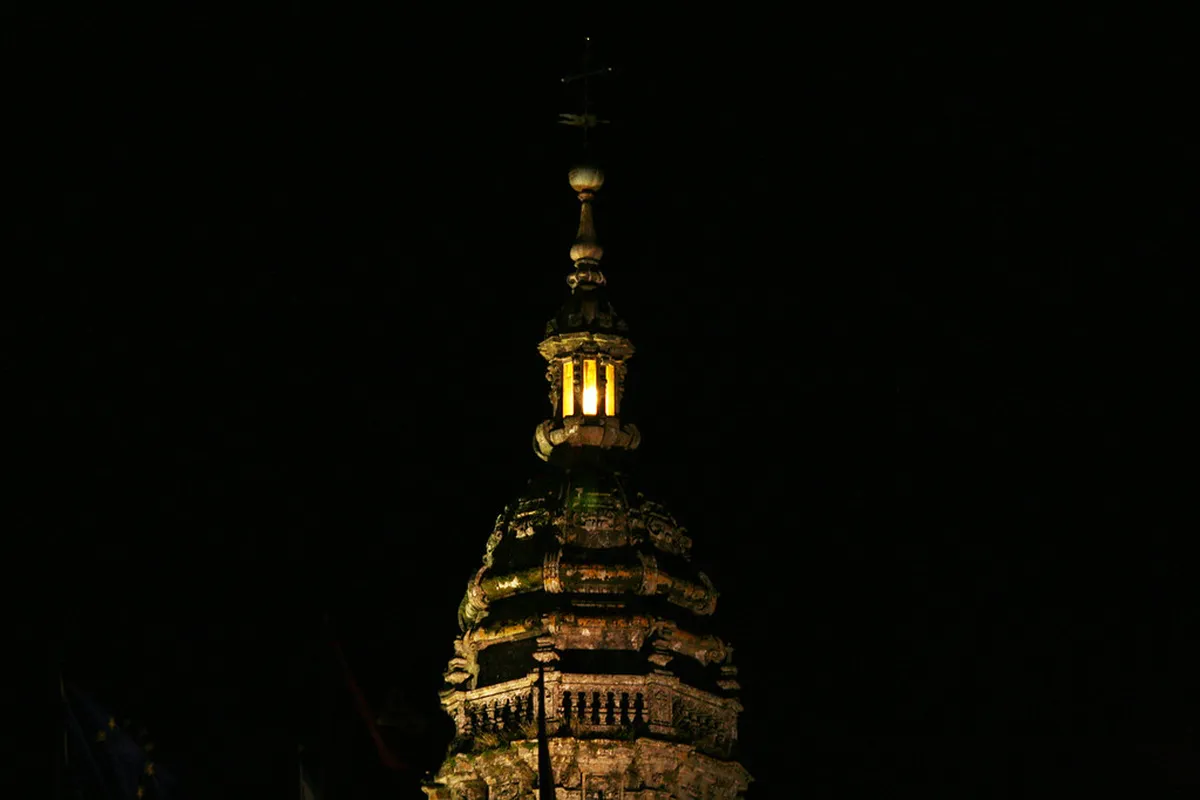
Table of Contents
Santiago de Compostela Architecture: A Deep Dive into Its Historic and Modern Structures
The Crown Jewel: Santiago de Compostela Cathedral
At the heart of Santiago de Compostela lies its magnificent Cathedral, the ultimate goal for millions of pilgrims and an architectural masterpiece that encapsulates the city's entire history. Originally consecrated in 1211, it began as a Romanesque basilica, evolving over centuries with additions and transformations that layered new styles onto its ancient core. Its multi-faceted design makes it a living museum of diverse architectural styles.
The Cathedral's original Romanesque core is still evident in its nave, transepts, and the intricate Portico de la Gloria. This monumental entrance, crafted by Master Mateo in the late 12th century, is a transition from Romanesque to Gothic, renowned for its vivid, expressive sculptures depicting the Last Judgment. The symbolism of its statues, recently restored to reveal their original polychromy, offers a profound theological narrative.
Dominating the Praza do Obradoiro, the Cathedral's west facade, known as the Obradoiro Facade, is a breathtaking example of Galician Baroque. Designed by Fernando de Casas Novoa in the 18th century, its intricate stone carving, dynamic curves, and towering spires create a dramatic welcome for pilgrims. The contrast between this ornate exterior and the austere Romanesque interior reveals the city's architectural journey. Don't miss the opportunity for rooftop tours, offering unique panoramic views of the city and close-up details of the Cathedral's upper architecture. Inside, witness the famous Botafumeiro, the enormous thurible, a marvel of medieval engineering and design that swings majestically through the transept during special services.
A Journey Through Architectural Styles
Santiago de Compostela's architecture is a tapestry woven with various historical styles, each contributing to its unique character. While the Cathedral is the focal point, the city itself is an open-air museum.
The bedrock of Santiago's urban fabric is its Romanesque heritage. Beyond the Cathedral's core, you can find stellar examples like the Colegiata de Santa María la Real de Sar, famous for its leaning pillars and serene cloister, and the church of Santa María Salomé. These structures showcase the robust, solid forms, rounded arches, and intricate sculptural details characteristic of the Romanesque style.
Gothic architecture, though less prevalent than Romanesque or Baroque, also leaves its traces. Notable Gothic buildings include parts of the Convent of Santo Domingo de Bonaval and some older sections of the city's palaces, characterized by pointed arches and ribbed vaults.
The 17th and 18th centuries saw the flourishing of Galician Baroque, a style uniquely adapted to the local granite and climate. Its characteristics include dramatic ornamentation, undulating facades, massive scale, and often, an interplay between light and shadow on the rough stone. Besides the Cathedral's Obradoiro facade, magnificent Baroque examples can be found in the Monasterio de San Martiño Pinario and the Hostal dos Reis Católicos, making a Baroque walking tour highly rewarding.
As architectural tastes shifted, Neoclassical influences emerged, particularly evident in the Palacio de Raxoi (City Hall) on Praza do Obradoiro, with its classical proportions and restrained ornamentation, offering a striking contrast to its Baroque neighbors.
Even in a city so deeply rooted in history, contemporary architecture has found its place. The most prominent example is the Cidade da Cultura de Galicia (City of Culture), designed by Peter Eisenman. This ambitious complex, with its undulating, futuristic forms, offers a stark, yet intriguing, counterpoint to the old city's traditional granite structures. Another significant modern addition is the Centro Galego de Arte Contemporánea (CGAC) by Álvaro Siza, which masterfully integrates modern aesthetics with the historical context of the nearby monastery of Santo Domingo de Bonaval.
Notable Buildings Beyond the Cathedral
While the Cathedral dominates the skyline, Santiago de Compostela is rich with other significant architectural treasures, many clustered around its iconic plazas.
The Praza do Obradoiro is a prime example of a harmonious urban space, surrounded by four distinct architectural styles. Besides the Cathedral, it features the aforementioned Hostal dos Reis Católicos, a former pilgrim hospital founded by the Catholic Monarchs. Its intricate Plateresque facade is a feast for the eyes, incorporating Gothic, Renaissance, and Mudéjar elements. Opposite, the Palacio de Raxoi, now the City Hall, presents a grand Neoclassical front, while the Colexio de San Xerome offers a Renaissance touch.
The Monasterio de San Martiño Pinario, the second largest monastery in Spain, boasts an imposing Baroque facade designed by Gabriel de Casas. Its grand staircase and richly decorated interior chapels are testament to the wealth and influence of monastic orders in Santiago.
The Colegiata de Santa María la Real de Sar is an indispensable stop for lovers of Romanesque architecture. Its cloister, with its unusual leaning pillars, is a unique architectural curiosity resulting from subsidence and a testament to medieval construction challenges.
The Convento de San Francisco, reputedly founded by St. Francis himself, also showcases an interesting mix of styles, with its prominent Baroque façade and a charming cloister. Nearby, the University of Santiago de Compostela boasts several historic buildings, including the Pazo de Fonseca. This 16th-century building features a beautiful Renaissance courtyard and intricate detailing, highlighting the intellectual and artistic currents that flowed through the city.
The Influence of the Camino de Santiago on Urban Planning and Architecture
🎯 Insider Tip: Discover the best Santiago de Compostela experiences with Viator Tours!
The Camino de Santiago pilgrimage route has profoundly shaped Santiago de Compostela, not just spiritually but also physically. The city's urban planning and development are intrinsically linked to the influx of pilgrims over centuries, leading to a unique architectural landscape.
The medieval street layout of the Old Town, a UNESCO World Heritage site, is a direct consequence of the pilgrimage. Narrow, winding streets radiate from the Cathedral, designed to channel pilgrims towards the basilica while also providing shelter and commercial opportunities. Many streets feature traditional arcades or 'soportales', like those on Rúa do Vilar, offering respite from rain or sun and creating a distinctive urban atmosphere. The widespread use of local granite, a durable and readily available material, defines the city's palette, giving it a cohesive and dignified appearance.
Beyond monumental structures, the everyday traditional Galician houses add to Santiago's charm. These often feature enclosed glass balconies called 'galerías', a practical architectural response to the rainy Galician climate, allowing light into homes while providing shelter. The stone carvings and masonry throughout the city, from humble facades to grand monuments, frequently incorporate symbols of the pilgrimage, such as scallop shells and staffs, reinforcing the spiritual identity embedded in the very stones of Santiago.
The continuous flow of pilgrims necessitated infrastructures like hospitals and hospices, leading to buildings like the Hostal dos Reis Católicos, initially built to accommodate the sick and weary. This intertwining of faith, function, and artistic expression makes the pilgrimage's influence on Santiago's architecture truly exceptional, shaping its present while preserving its past.
Exploring Santiago's Architectural Tapestry
🌟 Local Expert Tip: Get the most out of your Santiago de Compostela visit with guided tours!
To truly appreciate the richness of Santiago de Compostela's architecture, immersive exploration is key. Consider embarking on a self-guided architectural walking tour, allowing you to discover the interplay of styles at your own pace. There are also excellent guided tours that provide deeper insights into the city's history and design.
Beyond the well-known landmarks, Santiago hides numerous architectural gems. Venture into narrow alleyways to uncover tranquil hidden courtyards, often adorned with traditional stone details and lush greenery. Keep an eye out for lesser-known chapels, ornate doorways, and intriguing gargoyles that reveal the craftsmanship of past eras. Each detail contributes to the city's enchanting atmosphere.
For those passionate about capturing beauty, Santiago offers endless opportunities for architectural photography. The interplay of light on granite, especially during sunrise or sunset, creates stunning visuals. Remember to experiment with angles and focus on details, from the grandeur of the Obradoiro Facade to the subtle textures of an ancient stone wall. Even the dark interior of the Cathedral presents unique challenges and rewards for photographers.
If you're an artist, the city is a paradise for urban sketching. Find a quiet spot in one of the many plazas or a hidden corner and spend some time capturing the intricate details of the buildings. These personal observations often reveal nuances that might otherwise be missed. To further enhance your understanding, consider consulting books on Santiago de Compostela's architecture, available in local bookstores, which can provide invaluable historical context and detailed analyses.
Frequently Asked Questions
What is the dominant architectural style in Santiago de Compostela?
How has the Camino de Santiago influenced the city's architecture?
Are there modern architectural examples in Santiago de Compostela?
What are 'galerías' in Santiago's architecture?
Santiago de Compostela's architecture is a compelling narrative etched in stone, spanning over a millennium. From the stoic grandeur of its Romanesque beginnings to the opulent curves of Galician Baroque and the daring lines of contemporary design, the city offers an unparalleled architectural journey. Each building, plaza, and alleyway tells a story of faith, artistry, and the enduring human spirit that has been drawn to this sacred destination for centuries. Whether you are a pilgrim completing your journey, an architecture enthusiast, or simply a curious traveler, the intricate layers of Santiago's urban landscape promise a captivating and enriching experience. It is a city that constantly invites you to look closer, to discover the hidden details, and to marvel at the harmonious blend of history and innovation that defines its unique character. Its architectural heritage, carefully preserved and dynamically evolving, ensures that Santiago de Compostela remains a timeless beacon for all who seek beauty and meaning in built form.
Key Takeaways
- Santiago de Compostela's architecture is a unique blend of Romanesque, Gothic, Galician Baroque, Neoclassical, and contemporary styles.
- The Cathedral is the city's architectural centerpiece, showcasing centuries of evolution from its Romanesque core and Portico de la Gloria to the Baroque Obradoiro Facade.
- Key architectural elements like the 'galerías' (glass balconies) and traditional granite construction reflect adaptations to the local climate and available materials.
- The Camino de Santiago pilgrimage has profoundly influenced the city's urban planning, infrastructure (like pilgrim hospitals), and symbolic architectural details.
- Beyond the Cathedral, significant buildings include the Hostal dos Reis Católicos, Monasterio de San Martiño Pinario, Colegiata de Sar, and the modern Cidade da Cultura.