
Santa Cruz de la Palma Architecture Guide: A Journey Through Time
December 9, 2025
By Editor
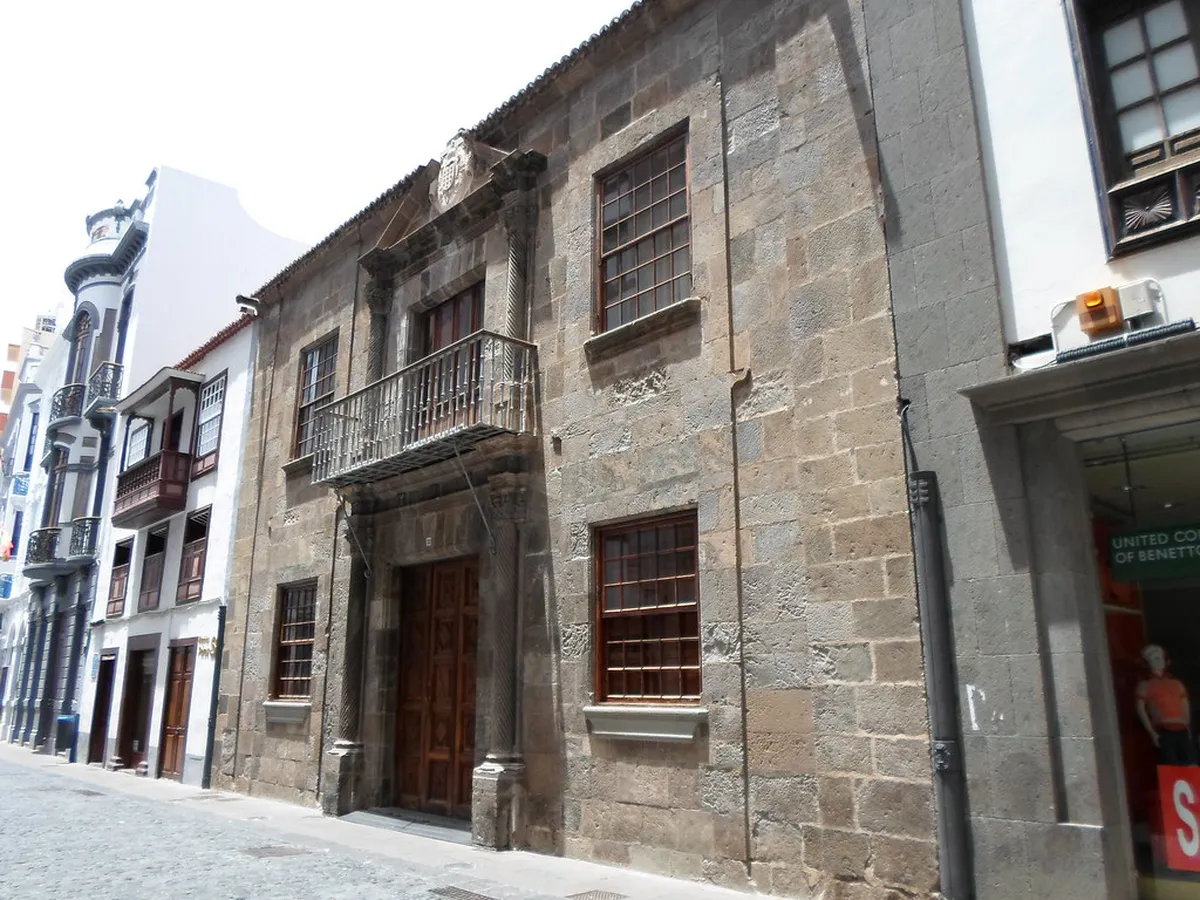
Table of Contents
An In-Depth Santa Cruz de la Palma Architecture Guide
The Roots of Canarian Colonial Architecture
The foundation of Santa Cruz de la Palma's architectural identity lies in its Canarian Colonial architecture, a style born from its historical ties to the Spanish Empire and its strategic location. This style, often seen in the city's older residential buildings, is characterized by practical designs adapted to the island's climate and available materials. Key features include sturdy stone bases, whitewashed walls, large courtyards, and, most famously, intricate wooden balconies. To delve deeper into its defining elements, explore the key features of Canarian Colonial style. For a visual treat, discover the best examples of colonial houses in Santa Cruz, many of which are beautifully preserved along Calle Real and Calle O'Daly, offering a glimpse into the city's prosperous past. These structures are not merely buildings; they are living testaments to the island's rich heritage.Renaissance and Baroque Masterpieces
As a thriving port, Santa Cruz de la Palma welcomed not only merchants but also new artistic and architectural ideas. The Renaissance influences are particularly evident in the city's civic and religious buildings, showcasing a departure from purely functional colonial design towards more decorative and symmetrical forms. You can learn how to identify Renaissance details in Santa Cruz buildings, from ornate portals to classical columns. The subsequent Baroque style churches, with their dramatic flair and rich ornamentation, also left a significant mark, particularly in religious art and altarpieces. Discover the most beautiful Baroque churches in Santa Cruz and a guide to Baroque altarpieces in La Palma, which often incorporate elements from Flemish art, reflecting the island's trade connections. The blend of Portuguese styles influenced local Renaissance architecture, adding another layer of complexity to the city's unique aesthetic.Architectural Gems of Plaza de España
The heart of Santa Cruz de la Palma is undoubtedly Plaza de España, a vibrant public square surrounded by some of the city's most significant architectural marvels. This plaza serves as a central point for understanding the city's evolution, with buildings exhibiting various styles from different eras. Learn about the architectural history of Plaza de España buildings and the main architectural styles around Plaza de España, which include Renaissance, Baroque, and traditional Canarian elements. Dominating the square is the Iglesia Matriz de El Salvador, a prime example of island religious architecture with its impressive tower and a stunning Mudejar ceiling in El Salvador Church. Adjacent stands the Casas Consistoriales (Old Town Hall), a magnificent Renaissance building. Its elegant Renaissance facade of the Old Town Hall is a highlight, and you can delve into visiting the Casas Consistoriales in Santa Cruz for a closer look at its historical significance.Iconic Wooden Balconies and Traditional Patios
🎯 Insider Tip: Discover the best Madrid experiences with Viator Tours!
Materials, Craftsmanship, and Defensive Structures
The architecture of Santa Cruz de la Palma also tells a story of local resources and skilled labor. Volcanic stone construction is prevalent, lending a robust and earthy character to many structures. Discover how volcanic stone is used in La Palma and learn to identify buildings made from volcanic rock. Another exquisite detail lies in the historic doorways and entrances, often elaborately carved from wood or stone, showcasing the meticulous craftsmanship of past eras. Seek out the most beautiful historic doors in Santa Cruz and uncover the symbolism in Santa Cruz de la Palma doorways. The city's history of pirate attacks necessitated strong defenses, evident in its military and defensive structures. The most prominent is the Castillo de Santa Catalina, a well-preserved fortress offering insights into the island's strategic importance and its resilience. Learn about the military architecture of Castillo de Santa Catalina and the history of the Royal Castle of Santa Catalina.Walking Through History: Calle O'Daly and Calle Real
For an immersive architectural experience, stroll along the city's historic arteries. Calle O'Daly architectural gems, often referred to as 'Calle Real' (Royal Street), is lined with elegant colonial houses, each a testament to the wealth generated by maritime trade. Take a walking guide to Calle O'Daly architecture to fully appreciate its nuances. Discover notable historic houses on Calle O'Daly that once belonged to wealthy merchants. Parallel to it, architecture along Calle Real presents a slightly different character, showcasing a bustling commercial past. Explore the most important buildings on Calle Real and see how comparing architecture on Calle O'Daly and Calle Real reveals the city's diverse social and economic layers. These streets offer a tangible connection to the city's 16th-century city plan and its remarkable post-pirate attack reconstruction, which solidified its urban layout.Beyond the Colonial: Modernist and Neoclassical Touches
While largely defined by its colonial past, Santa Cruz de la Palma also embraces later architectural movements. You can find examples of modernist buildings, particularly from the early 20th century, which add a refreshing contrast to the historic core. Discover key architects of the Canarian Modernist movement. Neoclassical civic buildings also dot the cityscape, characterized by their stately proportions and classical ornamentation. Look for examples of Neoclassicism in Santa Cruz architecture, such as the impressive Teatro Circo de Marte, a cultural landmark. These later additions demonstrate Santa Cruz de la Palma's continuous evolution and its ability to absorb new styles while retaining its unique character.Hidden Architectural Gems and Preservation Efforts
Beyond the main attractions, Santa Cruz de la Palma holds numerous architectural hidden gems waiting to be discovered. Venture off the beaten path to find hidden courtyards in Santa Cruz or lesser-known buildings with amazing architecture that offer a quieter appreciation of the city's beauty. The city is committed to preserving its heritage, ensuring that its preserved historic buildings endure for generations. Learn how Santa Cruz preserves its historic architecture and consult a list of protected historic sites in Santa Cruz to ensure you don't miss any important landmarks. The Island Museum (Museo Insular), housed in a former Franciscan convent, is an excellent example of this preservation, showcasing architectural highlights of the Museo Insular within a historical setting.Planning Your Architectural Exploration
To fully experience the rich architecture of Santa Cruz de la Palma, consider taking an architecture walking tour route. A free self-guided architecture walking tour map can be an invaluable resource, guiding you through the city's most significant sites. For those who prefer expert insights, explore best guided architectural tours in Santa Cruz. Don't forget your camera, as Santa Cruz de la Palma offers countless best architecture photography spots. Knowing the best time of day for architecture photos can enhance your shots, especially capturing the soft light on the colorful facades. For unique shots, seek out the Instagrammable architectural spots in Santa Cruz, from the iconic balconies to intricate details on historic doorways. Explore the unique Naval Museum (Barco de la Virgen), an intriguing replica of Columbus's Santa María, and discover if the Naval Museum is a real ship.Frequently Asked Questions
💡 Pro Tip: Book your Madrid adventures in advance through Viator for the best deals!
What is the dominant architectural style in Santa Cruz de la Palma?
The dominant architectural style is Canarian Colonial, characterized by whitewashed facades, sturdy volcanic stone bases, vibrant wooden balconies, and traditional interior patios. These elements reflect the city's historical role as a transatlantic port and its adaptation to the island's climate and resources.
Why are the wooden balconies so famous in Santa Cruz de la Palma?
The wooden balconies, particularly along the Avenida Marítima, are iconic for their picturesque beauty, intricate craftsmanship, and historical significance. They served practical purposes for ventilation and shade, and their diverse colors and designs add immense charm to the cityscape, attracting photographers and tourists alike. They are a defining feature of Santa Cruz de la Palma's wooden balconies.
What influences shaped the architecture of Santa Cruz de la Palma?
The architecture was primarily shaped by its role as a major trading port, leading to strong influences from Spanish colonial styles, as well as significant Renaissance and Baroque elements brought by European merchants and artists. Flemish and Portuguese influences are also notable, particularly in decorative arts and specific building details, as explored in maritime trade architectural influence.
Can I visit historic interiors in Santa Cruz de la Palma?
Yes, several historic buildings offer public access. The Casas Consistoriales (Old Town Hall), Iglesia Matriz de El Salvador, and the Museo Insular (Island Museum, housed in a former convent) all provide opportunities to explore significant architectural interiors, showcasing period decor, Mudejar ceilings, and religious art.
Are there any modern architectural examples in Santa Cruz de la Palma?
While known for its historic core, Santa Cruz de la Palma does feature examples of early 20th-century Modernist and Neoclassical architecture, particularly in some civic buildings and private residences outside the oldest parts of the city. These later additions provide an interesting contrast to the predominant colonial styles.
Key Takeaways
🌟 Local Expert Tip: Get the most out of your Madrid visit with guided tours!
- Santa Cruz de la Palma boasts a unique blend of Canarian Colonial, Renaissance, and Baroque architectural styles.
- The city's historic role as a transatlantic port heavily influenced its diverse architectural heritage, including Flemish and Portuguese touches.
- Iconic wooden balconies, particularly on the Avenida Marítima, are a defining and picturesque feature.
- Traditional Canarian patios and the use of volcanic stone are integral to the local building traditions.
- Key architectural landmarks include the Iglesia Matriz de El Salvador, Casas Consistoriales, and Castillo de Santa Catalina.
- Historic streets like Calle O'Daly and Calle Real offer immersive walking experiences of the city's preserved past.
- Efforts are made to preserve the city's architectural gems, with many protected sites and museums accessible to the public.