
An Architect's Guide to Puerto de la Cruz: Exploring Tenerife's Rich Architectural Heritage
December 11, 2025
By Editor
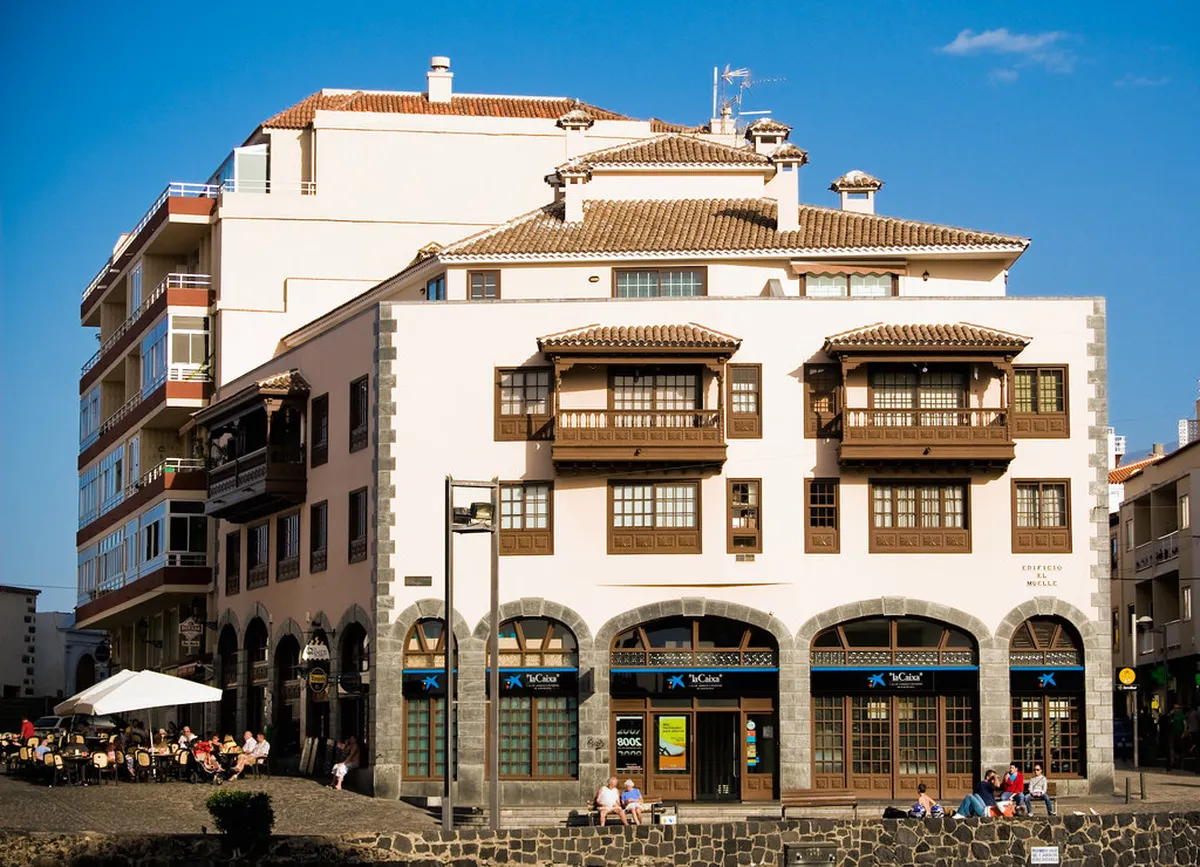
Table of Contents
The Architectural Tapestry of Puerto de la Cruz: A Journey Through Time and Design
Embracing Canarian Colonial Charm: The Heart of the Old Town
The enduring appeal of Puerto de la Cruz begins in its historic old town, where Canarian Colonial architecture reigns supreme. This distinctive style, a blend of Spanish, Portuguese, and indigenous influences, is characterized by its simplicity, functionality, and aesthetic beauty. Wander through the cobbled streets and you'll encounter numerous examples of elegant townhouses featuring white-washed facades, terracotta roof tiles, and, most notably, the iconic wooden balconies. These structures are not just pretty; they are a testament to the island's unique building traditions and climate. Discover the key features of Canarian colonial buildings and explore the best examples of this style, particularly in the enchanting La Ranilla district's historic architecture, where every corner reveals a photographic opportunity and a glimpse into the past.César Manrique's Enduring Legacy: Integrating Art and Nature
No discussion of architecture in Puerto de la Cruz is complete without highlighting the profound impact of César Manrique, the renowned artist and architect from Lanzarote. Manrique's philosophy, centered on integrating art with nature while respecting the natural environment, is spectacularly showcased in the city. His masterpiece, Lago Martiánez, is a breathtaking complex of saltwater swimming pools, islands, gardens, and sculptures, meticulously carved out of volcanic rock. This project exemplifies César Manrique's architectural legacy in Tenerife, demonstrating how Manrique integrated nature with architecture to create a harmonious and captivating public space. The use of volcanic rock in Lago Martiánez's design is a prime example of his commitment to local materials and aesthetic principles.The Iconic Canarian Wooden Balconies: A Signature Feature
One of the most distinctive and beloved architectural elements in Puerto de la Cruz is the traditional Canarian wooden balcony. These elaborately carved and often colorfully painted balconies are more than just decorative; they serve practical purposes, providing shade, ventilation, and an extension of living space. They are a hallmark of the island's vernacular architecture, offering a glimpse into historical building practices and social customs. Understanding what Canarian wooden balconies signify enhances their appreciation. You can find some of the best examples throughout the old town, particularly around Plaza del Charco and Calle San Juan, making for excellent photo opportunities and a true sense of place.Historic Fortifications and Public Buildings: Guardians of the Port
🌟 Local Expert Tip: Get the most out of your Madrid visit with guided tours!
Religious Architecture: Sanctuaries of Faith and Art
🎯 Insider Tip: Discover the best Madrid experiences with Viator Tours!
The Grandeur of Historic Hotels: Echoes of a Bygone Era
Puerto de la Cruz has long been a destination for discerning travelers, leading to the construction of magnificent hotels that are architectural gems in their own right. The Hotel Taoro, though largely abandoned and undergoing restoration, stands as an iconic landmark. Its impressive Victorian-era design, once a symbol of luxury, still hints at its former glory and its significant place in the city's tourism history. Learn about the architectural story of the old Hotel Taoro. Other grand hotels with historic architecture, like the Hotel Monopol, continue to operate, offering guests a chance to experience a blend of traditional Canarian aesthetics with colonial elegance. These buildings are vital to understanding how tourism shaped the city's urban landscape.Modernist and Art Deco Flair: A Touch of the 20th Century
Beyond its colonial roots, Puerto de la Cruz also reveals fascinating examples of 20th-century architectural movements. Keep an eye out for modernist architecture, often characterized by clean lines, functional forms, and the innovative use of materials. These buildings represent a shift in design philosophy as the city modernized and expanded. Additionally, discerning visitors might spot Art Deco examples in Puerto de la Cruz, particularly in some commercial buildings and older apartment blocks. These structures, with their geometric patterns and decorative flourishes, add a touch of cosmopolitan elegance and reveal Art Deco influences on local building design, showcasing the city's openness to evolving global trends.British Influence and Urban Development
The history of Puerto de la Cruz is also intertwined with British presence, particularly during its growth as a health resort in the late 19th and early 20th centuries. This influence can be seen in certain architectural styles and urban planning elements. The Anglican Church of All Saints, with its distinctive neo-Gothic design, stands as a testament to the British community that once thrived here. Explore the neo-Gothic design of All Saints Church, a unique contrast to the predominant Canarian styles. The development of certain residential areas and gardens also shows how British trade and tourism shaped Puerto de la Cruz's buildings and urban layout, creating a fascinating blend of cultures and architectural expressions.Public Spaces and Landscape Architecture: Blending Function and Beauty
Puerto de la Cruz masterfully integrates public spaces and landscape architecture to enhance the urban experience. Plaza del Charco, the bustling main square, is a vibrant hub surrounded by buildings exhibiting a range of architectural styles, reflecting the square's evolution of architecture over centuries. The San Telmo Promenade offers a beautifully designed walkway along the coast, punctuated by architectural elements and stunning views. Even the Jardín Botánico's landscape architecture demonstrates how carefully planned green spaces complement Canarian architecture, creating serene oases within the urban fabric. These areas are not merely decorative but serve as vital social and recreational spaces for residents and visitors alike.Exploring Architectural Hidden Gems and Photo Opportunities
For the keen architectural enthusiast, Puerto de la Cruz is full of hidden gems and lesser-known marvels waiting to be discovered. Beyond the main attractions, explore the quiet backstreets and discover charming courtyards and intricate details often overlooked. The city offers countless instagrammable buildings and perfect spots for capturing the essence of Canarian design. Whether you're interested in a self-guided architecture map or guided tours, allow yourself to get lost and stumble upon unexpected beauty. Don't forget to check out the Mirador de la Paz, not just for its views but also for its distinctive architectural design and the busts of famous writers it hosts.Preservation and Modern Trends: A City Evolving
Puerto de la Cruz is not just about its past; it's also a city that actively preserves its heritage while embracing contemporary trends. Efforts are continually made to preserve historic buildings, ensuring that the unique character of the old town endures. Simultaneously, new constructions are exploring sustainable architecture trends, aiming to integrate modern design with eco-friendly practices. Discover how new projects incorporate sustainable design and respect the island's natural resources. The city's urban planning history shows a dynamic balance between protecting its architectural soul and adapting to the needs of a modern, thriving community, making it an exciting place to witness architectural evolution firsthand.Frequently Asked Questions
What is the dominant architectural style in Puerto de la Cruz?
The dominant architectural style is Canarian Colonial, characterized by white-washed facades, wooden balconies, and traditional courtyards. This style is most prominent in the historic old town, particularly in the La Ranilla district.
Where can I see César Manrique's work in Puerto de la Cruz?
César Manrique's most significant work in Puerto de la Cruz is Lago Martiánez, a stunning complex of saltwater swimming pools, gardens, and sculptures. It's an iconic example of his integration of art with nature.
Are there any walking tours focused on architecture?
Yes, you can find various self-guided architecture maps and even book guided tours that delve into the city's architectural history. Many focus on the historic old town, traditional balconies, and notable landmarks.
What materials are commonly used in local architecture?
Common materials include local volcanic stone, used prominently in foundations and some public works, and 'tea wood' (Canarian pine) for the distinctive wooden balconies and structural elements due to its durability.
Can I visit the historic Hotel Taoro?
The Hotel Taoro is currently undergoing extensive renovation and is not generally open for public visitation. However, its impressive exterior and surrounding Taoro Park remain accessible and offer a glimpse into its historic grandeur.
Key Takeaways
- Puerto de la Cruz features a rich blend of Canarian Colonial, Modernist (César Manrique), and other architectural styles.
- The historic old town, especially La Ranilla, is a prime area for exploring traditional Canarian Colonial buildings and wooden balconies.
- César Manrique's Lago Martiánez is a must-see masterpiece, demonstrating art integrated with natural volcanic landscapes.
- Key landmarks include Castillo San Felipe, Casa de la Aduana, Iglesia de Nuestra Señora de la Peña de Francia, and Ermita de San Telmo.
- The city's architecture reflects its history as a vital port, a colonial settlement, and a growing tourist destination.
- Efforts are made to preserve historic buildings while incorporating sustainable practices in new developments.