
Your Essential Granada Architecture Guide for 2025
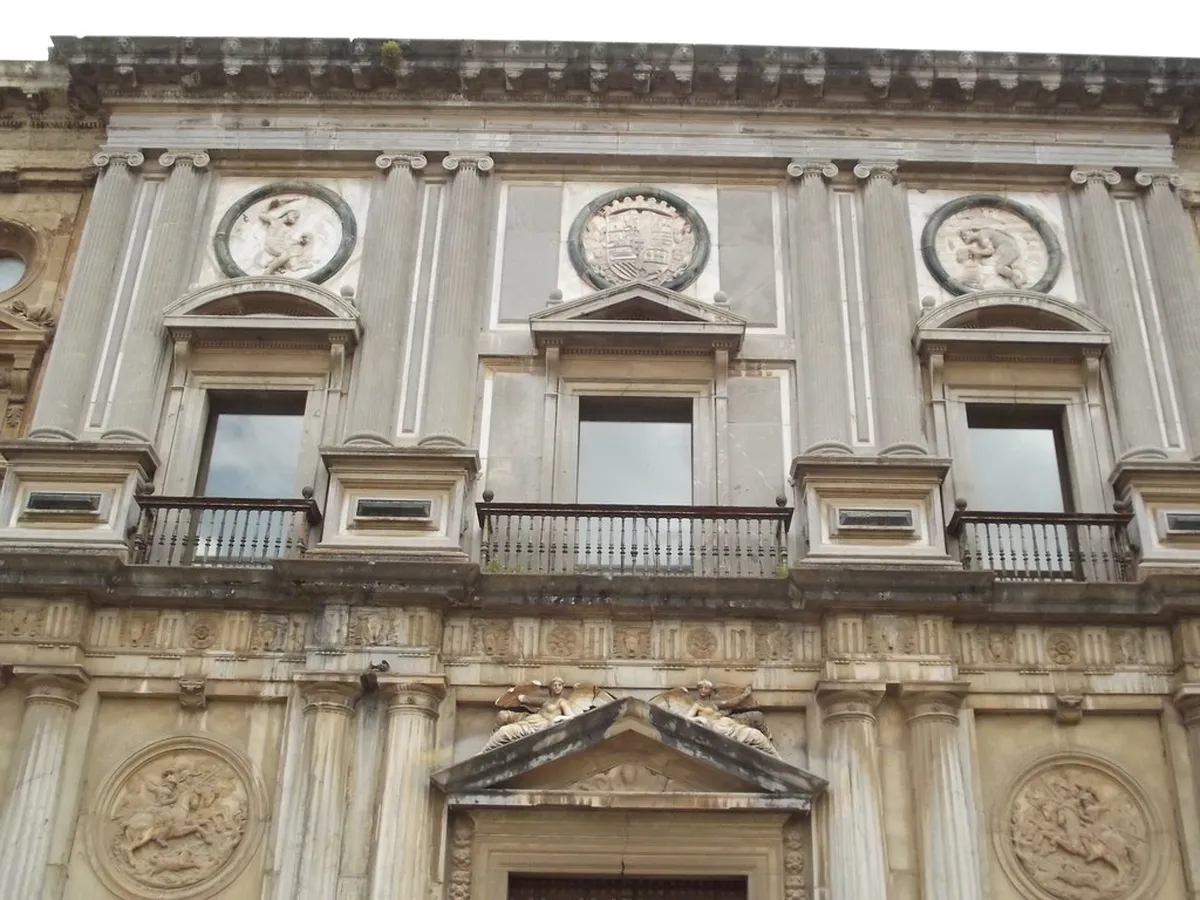
Table of Contents
Discover Granada's Stunning Architectural Heritage in 2025
Granada, Spain, offers a breathtaking journey through time. Its unique blend of cultures is visible in every building. This Granada architecture guide for 2025 will reveal its hidden gems. You will discover stunning Moorish palaces and grand Renaissance structures.
Prepare to be captivated by centuries of design and craftsmanship. From intricate carvings to vast courtyards, Granada tells a story. We will help you navigate this architectural wonderland. Start your adventure in this historic city. Explore the legendary Alhambra Palace architecture and more. Dive into Granada's rich past today.
The Majestic Alhambra: A Moorish Masterpiece
The Alhambra stands as Granada's crown jewel. It is a stunning example of Nasrid architecture. This fortress-palace complex amazes every visitor. Plan your visit carefully to experience its full grandeur.
Explore the intricate Nasrid Palaces design. Each courtyard and hall showcases incredible detail. Look for delicate stucco work and vibrant tile mosaics. These elements create a sense of ethereal beauty. Admission to the Nasrid Palaces is time-ticketed.
The Generalife Gardens offer peaceful tranquility. This summer palace features beautiful patios and water features. Its design harmonizes nature and architecture perfectly. Learn about the use of water in Alhambra's design. The entry fee for the Alhambra in 2025 is typically around 19 Euros.
Don't miss the Alcazaba fortress for panoramic views. Walk along its ancient ramparts. Imagine the sentinels guarding this magnificent city. Understanding the key architectural features of the Alhambra enhances your visit. Booking skip-the-line tickets is highly recommended.
Exploring the Historic Albaicín Neighborhood
The Albaicín is Granada's ancient Moorish quarter. Its narrow, winding streets invite exploration. This UNESCO World Heritage site offers stunning Alhambra views. Discover traditional Albaicín neighborhood architecture.
Walk through charming squares and hidden courtyards. Many homes feature whitewashed walls and flowered balconies. These details evoke a timeless atmosphere. Explore the narrow streets of Albaicín. This area is perfect for leisurely strolls.
Look for traditional 'carmenes' in this area. A carmen is a Granada house with a garden and high wall. These private oases offer peace and quiet. Understanding what a carmen is enriches your understanding. Many offer breathtaking vistas.
The Albaicín also holds ancient Moorish arches. These architectural elements are visible throughout. Seek out the beautiful horseshoe arches. The architecture here truly tells a story. This district is best explored on foot.
Granada's Renaissance and Gothic Grandeur
Granada's Christian conquest brought new architectural styles. The city transformed after 1492. Grand structures like the Granada Cathedral design emerged. This period showcases a fascinating cultural shift.
The Granada Cathedral is a masterpiece of Spanish Renaissance. Its imposing facade and vast interior are awe-inspiring. Diego de Siloé designed much of its structure. Admission typically costs around 5 Euros.
Adjacent to the Cathedral is the Royal Chapel. It houses the tombs of Catholic Monarchs. Ferdinand and Isabella are laid to rest here. The architectural style of the Royal Chapel is late Gothic, or Isabelline. It is a vital historical site.
Visit the Monastery of San Jerónimo for Renaissance splendor. This monastery features an impressive courtyard. Detailed carvings and frescoes adorn its walls. Explore the Renaissance architecture of San Jerónimo. This site costs about 4 Euros to enter.
The Palace of Charles V stands within the Alhambra complex. This Renaissance palace presents a stark contrast. Its circular courtyard is truly unique. It was built by Emperor Charles V. Learn why the Palace of Charles V was built. Admission to the palace itself is free.
Mudejar and Baroque: Blending Cultures
⭐ Recommendation: Don't miss out on amazing Granada tours - book now!
Granada uniquely showcases the Mudejar style. This architectural blend combines Christian and Islamic elements. It arose after the Reconquista. You'll see Moorish techniques in Christian buildings.
Look for intricate wooden ceilings, known as artesonado. These decorative elements are a Mudejar hallmark. Many churches and palaces display them. The Mudejar style explained reveals this rich fusion. This style is unique to Spain.
Granada also boasts beautiful Baroque churches. These edifices feature elaborate ornamentation. Rich facades and gilded altars are common. Identify Baroque elements in Granada's churches. The Monastery of La Cartuja is a prime example.
The Corral del Carbón is another Mudejar gem. It was an old Nasrid coal yard and inn. Later, it became a theater. This site offers free entry. Its architecture of Corral del Carbón is well-preserved. You can explore its central courtyard.
Discover other less-known but equally fascinating structures. The Palacio de Dar al-Horra is one example. It was the last Nasrid palace built in Granada. Its quiet beauty is captivating. The architecture of Palacio de Dar al-Horra shows later Moorish design. Entry costs about 2.50 Euros.
Practical Tips for Your Granada Architecture Tour
Planning your architectural exploration is crucial for 2025. Granada's sites are vast and popular. Consider a Granada architecture tour for deeper insights. Local guides offer invaluable historical context.
Book Alhambra tickets well in advance. They often sell out months ahead. Official websites are the safest booking option. Learn how to buy Alhambra tickets online. Avoid third-party vendors if possible.
Wear comfortable shoes for walking. The Albaicín's cobbled streets are steep. Many historical sites involve extensive walking. Hydration is also important, especially during summer months.
For photography enthusiasts, seek out viewpoints. Mirador de San Nicolás offers iconic Alhambra shots. Early morning or late afternoon light is best. Find the best photography spots for stunning pictures. Capture Granada's unique charm.
Consider a multi-day pass for various monuments. The Granada Card can save money and time. It includes entry to major sites and public transport. This is a smart choice for an intensive architectural visit. Enjoy the best of Granada's structures.
Frequently Asked Questions
How can I best explore Granada's varied architectural styles?
A self-guided walking tour is an excellent option. Start with the Alhambra in the morning. Dedicate the afternoon to the Albaicín's Moorish quarter. Then explore the city center's Renaissance buildings.
Combine walking with local bus routes for efficiency. Many companies offer guided architecture tours in Granada. These tours provide expert commentary. They can highlight key features you might miss.
What is the must-see Moorish architecture in Granada?
The Alhambra is undoubtedly the top priority. Within the Alhambra, the Nasrid Palaces are essential. Also, explore the Generalife Gardens for exquisite design. Its water features are truly remarkable.
Outside the Alhambra, wander through the Albaicín. Look for the ancient baths, like El Bañuelo. Its well-preserved architecture is fascinating. The architectural features of El Bañuelo are very unique.
Are there modern architectural examples in Granada?
Yes, Granada showcases some modern architectural sites. The Parque de las Ciencias is a notable example. This interactive science museum has contemporary design. It contrasts sharply with historic structures.
While less prominent than its historical past, modern buildings exist. You can find newer residential and commercial designs. For a deep dive into new styles, explore best examples of modernism in Granada. The city is constantly evolving.
What is the Mudejar architectural style found in Granada?
Mudejar is a distinct Spanish architectural style. It blends Islamic and Christian influences. Moorish artisans continued their work after the Reconquista. They applied traditional techniques to Christian commissions.
You will see geometric patterns and intricate plasterwork. Often, carved wooden ceilings, called artesonado, are prominent. The key characteristics of Mudejar architecture are truly special. Granada is one of the best places to witness this style.
Granada offers an unparalleled architectural journey in 2025. From the Alhambra's Moorish splendor to the Cathedral's Renaissance glory, diversity abounds. Each building tells a unique story. The blend of cultures created a truly distinct urban landscape.
Don't just visit; immerse yourself in its history and design. This history of Granada's architecture awaits your discovery. Plan your trip to explore these wonders. Consider joining one of the enriching Granada architecture tours. Uncover the magic of Granada's past and present.
Key Takeaways
- Book Alhambra tickets months in advance for your 2025 visit.
- Explore the Albaicín on foot to appreciate its unique Moorish charm.
- Recognize the blend of Moorish and Christian styles in Mudejar architecture.