
Granada Cathedral Design: A Masterpiece in Stone (2025)
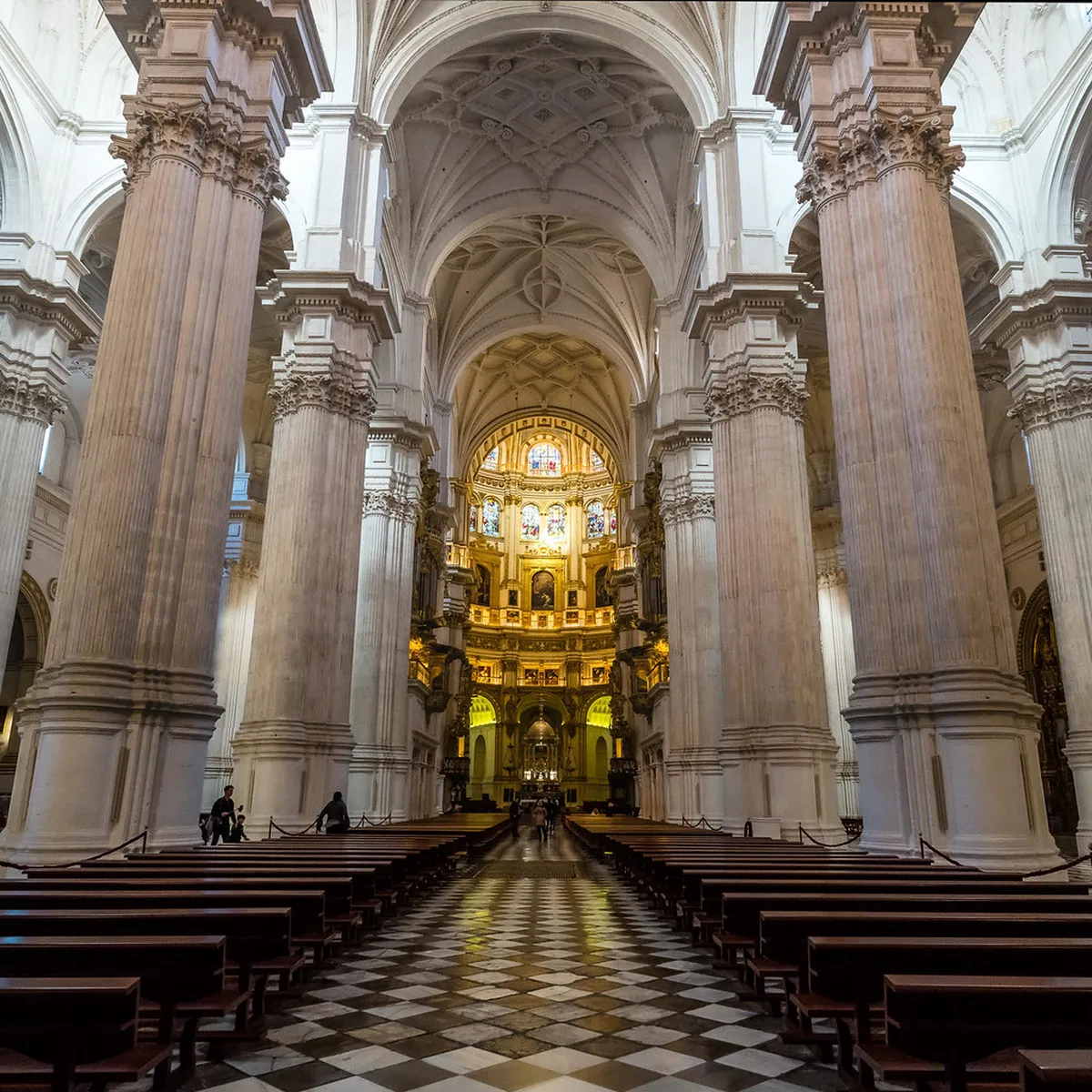
Table of Contents
Explore Granada Cathedral's Unique Architectural Design in 2025
Granada Cathedral stands as a beacon of architectural brilliance. Its intricate Granada Cathedral design captivates visitors worldwide. This grand structure began construction in 1523. It blends Renaissance and Baroque styles beautifully. The cathedral reflects a pivotal period in Spanish history. It symbolizes the triumph of Christianity in Spain. Learn more about Granada's rich architectural past.
You can explore its vast interior and stunning facades. This guide offers insights into its unique elements. Prepare to be amazed by its artistic and structural grandeur. Plan your visit for an unforgettable experience in 2025. It promises a deep dive into Spanish artistry.
The Origins of Granada Cathedral Design
Granada Cathedral’s construction started in 1523. It sits atop the city’s former main mosque. This location choice symbolized a new era. The Christian reconquest reshaped Granada’s landscape. Queen Isabella I and King Ferdinand II commissioned the church. Initially, it was designed in Gothic style, like other cathedrals. However, its plans soon changed dramatically.
Diego de Siloé became lead architect in 1528. He introduced groundbreaking Renaissance elements. Siloé’s vision transformed the initial Gothic blueprint. His work defined the magnificent Granada Cathedral design. He blended classical Roman forms with Spanish religious fervor. This innovative approach set it apart. Learn more about Gothic architecture in Granada.
The cathedral’s foundation thus holds deep historical layers. It represents a powerful cultural and architectural shift. The transition from Islamic to Christian rule is evident. This period marked a rebirth of European styles. It also incorporated local craftsmanship. These early stages laid the groundwork for its splendor.
The original Gothic foundations are still visible. Siloé integrated them into his grand design. This blend creates a unique architectural narrative. It represents a powerful cultural shift. Visitors can trace this evolution within the building. It truly showcases a master architect’s skill. Discover the Royal Chapel of Granada nearby.
Renaissance Grandeur: Main Facade and Interior
The main facade of Granada Cathedral impresses visitors. It features a stunning double arch structure. Alonso Cano designed much of this grand entrance. Sculptures and carvings adorn the intricate stonework. These depict religious scenes and figures. The facade embodies pure Spanish Renaissance majesty. Its imposing presence commands attention.
Inside, the cathedral boasts five naves. The central nave soars to impressive heights. Tall columns create a sense of grandeur. Light streams through large stained-glass windows. These illuminate the sacred space beautifully. The spacious design invites contemplation and awe. It fosters a feeling of reverence. Explore more architectural details throughout Granada.
A notable feature is the main chapel. It has a unique circular design. This stands in contrast to typical rectangular apses. Siloé designed this bold circular space. It recalls classical Roman temples. The main chapel holds significant artistic treasures. Its innovative form is a true highlight. It redefines traditional church layouts.
The choir and side chapels also showcase this grandeur. Elaborate grilles separate different sections. Marble and precious metals are used extensively. The soaring ceilings inspire visitors. Every corner reveals meticulous craftsmanship. This central element of Granada Cathedral design offers endless discovery. The main architectural styles of Granada Cathedral truly blend here.
Baroque Embellishments and Artistic Details
Later additions introduced magnificent Baroque elements. These enrich the cathedral’s Renaissance foundation. Elaborate altarpieces captivate the eye. Gold leaf and intricate carvings dominate many chapels. These details add a layer of opulence. They reflect evolving artistic tastes through centuries. This lavish decoration enhances the spiritual atmosphere. Learn more about Baroque churches in Granada.
Alonso Cano, a renowned artist, contributed significantly. He worked on sculptures and paintings. His masterpieces adorn several chapels. Cano’s work exemplifies Baroque drama and emotion. The 'Immaculate Conception' is a famous piece. His artistic influence is undeniable. Many consider his contributions vital to the cathedral's appeal. His genius is etched in stone.
Other artists also contributed over time. Each generation left its distinctive mark. The various styles create a rich tapestry. This historical layering adds to its depth. Visitors can spend hours admiring the artwork. Every detail tells part of a larger story. The cathedral acts as a living art gallery.
The sacristy also showcases fine artistry. Intricate wooden furniture fills the room. Religious vestments are stored here. Each element contributes to the overall splendor. Don't miss the detailed reja (ironwork) screens. These separate chapels from the main naves. They display exquisite craftsmanship. This truly defines the elaborate Granada Cathedral design.
Granada Cathedral's Unique Architectural Narrative
💡 Pro Tip: Book your Granada adventures in advance through Viator for the best deals!
Granada Cathedral stands out among Spanish cathedrals. Its predominantly Renaissance style is rare. Most Spanish cathedrals are primarily Gothic. The decision to embrace Renaissance architecture was bold. It marked a conscious departure from tradition. This makes its design truly distinctive. It symbolizes a new artistic direction.
The cathedral seamlessly blends various periods. You see remnants of Gothic planning. Siloé’s Renaissance genius is everywhere. Later Baroque elements add rich layers. This fusion tells a compelling story. It speaks of Granada’s complex history. No wonder many ask, why is Granada Cathedral's design unique?
This architectural narrative contrasts sharply with the Alhambra. The Alhambra showcases stunning Islamic design. The cathedral, however, presents a strong Christian statement. This juxtaposition defines Granada’s identity. It represents a powerful cultural transition. It is truly a city of contrasts. Consider exploring the Alhambra Palace architecture after your visit.
It represents the synthesis of cultures and eras. The building is a historical document in stone. Each architectural detail reveals a chapter. Visiting offers a profound cultural immersion. It's a must-see for any architecture enthusiast. Consider a Granada architecture tour for deeper insights.
Practical Visiting Tips for 2025
Visiting Granada Cathedral is easy in 2025. It is located in the city center. The address is Gran Vía de Colón, 5. It is close to other major attractions. The cathedral is easily accessible by foot. Many city buses also stop nearby. Public transport options are plentiful.
Entrance fees are typically around €5-€10 per person. Check the official website for current prices. Opening hours vary by season. Generally, it opens from 10 AM to 6:30 PM. Always confirm times before your visit. Audio guides are usually available for a small extra cost. They enrich the experience significantly.
Consider visiting in the morning. Crowds are often lighter then. Avoid Sundays during mass times. Photography is allowed but without flash. Respectful attire is always appreciated. It ensures a pleasant experience for everyone. Be mindful of ongoing services.
Combine your visit with a self-guided walking tour of the surrounding area. This maximizes your architectural exploration of Granada. Nearby, you'll find other significant sites. This is truly an essential stop on any Granada architecture guide. Plan ample time for your visit. You won't want to rush through its wonders.
Frequently Asked Questions
Who designed Granada Cathedral?
Diego de Siloé was the primary architect. He shaped the magnificent Granada Cathedral design. He took over the project in 1528. His Renaissance vision is evident throughout. Siloé’s influence made it truly distinctive. He brought classical forms to Spanish sacred architecture.
Alonso Cano also made significant contributions. Cano designed parts of the facade and interior art. Several architects worked on it over centuries. However, Siloé's Renaissance vision dominates. It is his lasting legacy. This blend of talents created a masterpiece.
What architectural style is Granada Cathedral?
Granada Cathedral primarily showcases Renaissance architecture. Diego de Siloé introduced this style. It features classical elements and grandeur. You can also observe some Gothic foundations. These earlier plans were integrated cleverly. It is a testament to adaptive design.
Later Baroque additions provide rich ornamentation. This blend creates its truly unique character. This is one of the main architectural styles of Granada Cathedral. The stylistic evolution is a major draw. Visitors can trace these changes visually.
Is Granada Cathedral worth visiting in 2025?
Absolutely, Granada Cathedral is worth visiting in 2025. Its architectural splendor is breathtaking. The blend of Renaissance and Baroque styles is rare. It houses incredible artworks and sculptures. The historical significance is immense. It is a cornerstone of Granada's heritage.
Plan your visit to experience this Spanish masterpiece. You will gain a deep appreciation for its history. Discover why Granada Cathedral's design is unique. This cultural gem truly inspires. Do not miss this iconic landmark. It offers a memorable experience.
The Granada Cathedral design stands as an enduring marvel. It beautifully merges Renaissance grandeur with Baroque artistry. This iconic structure tells a compelling story. It speaks of history, faith, and architectural innovation. Its uniqueness enriches Granada’s diverse landscape. This makes it a must-see for all visitors. It encapsulates centuries of cultural change.
Make sure to include it in your 2025 travel plans. Explore its intricate details. Witness its monumental scale. Plan your journey to discover this Spanish treasure. Find more inspiration for your trip on Architect Tourist. Prepare for an unforgettable experience.
Key Takeaways
- Granada Cathedral blends Renaissance and Baroque styles seamlessly.
- Diego de Siloé pioneered its unique Renaissance design, deviating from Gothic.
- The circular main chapel and elaborate facade are distinctive features.
- Alonso Cano contributed significant Baroque artworks and sculptures.
- Visit to experience centuries of history, art, and architectural innovation.