
A Comprehensive Pollença Architecture Guide: Exploring Centuries of Design in Spain
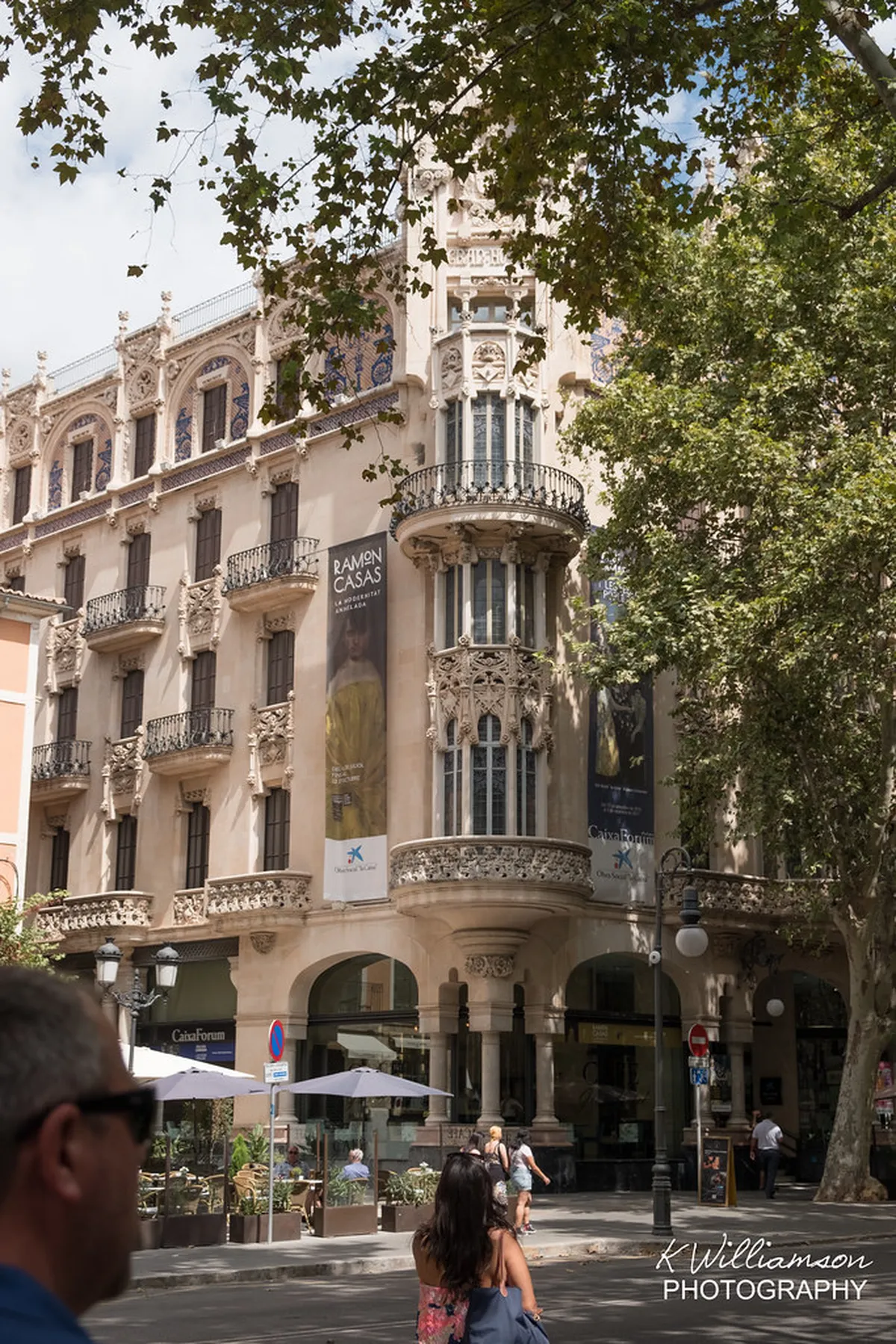
Table of Contents
Pollença Architecture Guide: Unveiling the Historic Styles of Mallorca's Gem
Echoes of the Roman Empire: Pollença's Ancient Foundations
Long before Pollença became the charming town we know today, it was a strategic Roman settlement. The most tangible evidence of this ancient past is the iconic Pont Romà (Roman Bridge) which, despite its name, features significant medieval reconstruction on Roman foundations. This bridge, spanning the Torrente de Sant Jordi, is not merely a functional crossing but a vital link to the town's origins. While extensive Roman architecture in Pollença itself is sparse, remnants and the layout of the old town subtly hint at their presence. For those keen to delve deeper, knowing where to find Roman ruins near Pollença can extend your exploration into the surrounding areas, connecting the town to its broader historical landscape.
Moorish Influence: Traces of an Islamic Past
The Moorish presence in Mallorca, lasting for over three centuries, left an indelible mark on the island's culture and, subtly, on Pollença's architecture. While direct, grand Moorish structures are rare due to subsequent Christian reconquest and rebuilding, their legacy is woven into the fabric of the town. Visitors can often find Moorish design elements in Pollença in the layout of the older districts, the intricate irrigation systems, and sometimes even in decorative patterns. The Moorish influence on architecture here is more about an underlying aesthetic and urban planning approach, contributing to the town's organic and winding street plan, a characteristic often found in former Islamic settlements. Understanding the history of the Moors in Pollença, Spain, enriches the appreciation of these subtle yet significant contributions.
Gothic Grandeur: Churches and Sacred Spaces
Following the Christian reconquest, Gothic architecture became the dominant style for religious buildings, and Pollença boasts fine examples of this period. The most prominent is the Parish Church of Nostra Senyora dels Àngels, located in the heart of Plaça Major. Originally built in the 13th century, it showcases classic Gothic features, though it has seen later modifications. Gothic churches in Pollença are characterized by their sturdy construction, pointed arches, and sometimes elaborate altarpieces. For a deeper dive, exploring Gothic architecture in Pollença's churches reveals intricate stone carving and an enduring sense of solemn beauty. The key features of Gothic style in Pollença, such as robust buttresses and vaulted ceilings, provide insight into the engineering prowess of the era.
Baroque Splendor: Ornate Facades and Altarpieces
🌟 Local Expert Tip: Get the most out of your Madrid visit with guided tours!
The Baroque period brought an era of dramatic flair and elaborate decoration to Pollença's architectural landscape. This style, popular from the 17th to 18th centuries, is evident in the ornate facades, rich interior decorations, and spectacular altarpieces found in many of the town's religious buildings. The Convent de Sant Domingo, with its impressive cloister and church, stands as a prime example of Pollença's Baroque buildings. Here, visitors can marvel at the intricate details and gilded finishes. A specific focus on Baroque altarpieces in Pollença churches reveals masterpieces of religious art, often brimming with dynamic sculpture and painting. Learning to spot and identify Baroque facades in Pollença old town becomes a rewarding architectural treasure hunt, noticing the curved lines, broken pediments, and decorative flourishes that define the style.
Modernisme and Art Nouveau: A Touch of Early 20th-Century Elegance
As the 19th century gave way to the 20th, Pollença, like many European towns, embraced new architectural movements. Modernisme, the Catalan variant of Art Nouveau, introduced elegant curves, natural motifs, and vibrant decorative elements to the town. While not as prevalent as in Barcelona, Pollença still boasts charming Modernist houses, often characterized by their intricate ironwork, stained glass, and organic forms. For those interested in the creators behind these buildings, understanding who were the architects of Pollença Modernism adds a fascinating layer to your visit. A walking tour of Modernist villas in Pollença allows you to admire these distinctive properties. The terms Art Nouveau in Pollença and Modernisme are often used interchangeably, though Modernisme refers specifically to the Catalan movement, which shares many characteristics with its European counterparts. You can explore best examples of Art Nouveau in Pollença to witness this elegant style firsthand.
Iconic Landmarks: Calvari Steps and Puig de Maria
🌟 Local Expert Tip: Get the most out of your Madrid visit with guided tours!
Pollença is defined by several architectural landmarks that are not only aesthetically significant but also deeply rooted in the town's cultural and spiritual identity. The Calvari Steps architecture is perhaps the most famous, with 365 steps leading up to a small chapel. This ascent offers breathtaking views and a unique pilgrimage experience. The history behind Pollença's 365 Calvari steps is fascinating, culminating in the serene Oratori del Calvari. Perched atop a mountain, the Puig de Maria Monastery offers another iconic architectural experience. Its imposing structure, accessible via a winding path, provides panoramic views of the entire region. The architectural history of Puig de Maria sanctuary reflects its dual role as a religious retreat and a defensive stronghold over the centuries.
Residential Architecture: Historic Townhouses and Traditional Fincas
Beyond its grand public buildings, Pollença's everyday residential architecture offers a charming insight into traditional Mallorcan life. The narrow streets of the old town are lined with Pollença historic townhouses, many of which date back centuries. These homes often feature sturdy stone facades, characteristic green shutters, and ornate doorways, sometimes adorned with family crests. Understanding the features of traditional Pollença noble houses can highlight intricate details you might otherwise miss. Venturing beyond the town center, you encounter the quintessential traditional stone fincas that dot the surrounding countryside. These rural estates, often built with local 'marès' sandstone, embody a rustic charm. Learning what defines a Mallorcan finca building reveals their practical design, adapted to the local climate and agricultural life. Many of these homes incorporate traditional Mallorcan courtyards, providing private, cool oases from the summer heat.
Building Materials and Techniques: The Role of 'Marès' Sandstone
A defining characteristic of Pollença's architecture is the pervasive use of 'marès' sandstone, a soft, easily workable limestone quarried locally. This golden-hued stone gives the town its warm, inviting aesthetic and has been the primary building material for centuries. Understanding why sandstone is common in Pollença architecture is key to appreciating the vernacular style. The specific sandstone building techniques employed by generations of local craftsmen have shaped the robust and enduring structures seen today. The distinctive light color of the stone, coupled with traditional red roof tiles, creates the quintessential Mallorcan architectural palette. The role of marès sandstone in local building is central to Pollença's architectural identity, connecting its buildings directly to the island's natural landscape.
Exploring Pollença's Architectural Gems: Tours and Photo Spots
💡 Pro Tip: Book your Madrid adventures in advance through Viator for the best deals!
To truly immerse yourself in Pollença's architectural wonders, consider a dedicated exploration. A Pollença architecture walking tour is an excellent way to discover hidden courtyards, intricate facades, and historical details that might otherwise go unnoticed. You can opt for a self-guided architecture walk in Pollença old town using a map, or join one of the best guided architecture tours in Pollença for expert insights. Don't forget your camera, as Pollença offers numerous best architecture photo spots, from the top of the Calvari Steps to the charming side streets. For those seeking unique shots, explore instagrammable architectural spots in Pollença, focusing on unique doorways (Pollença's unique doorways are particularly charming) and secret patios. Discovering hidden architectural gems is part of the adventure, often found by simply wandering off the main thoroughfares. For a truly special experience, consider booking a private architecture tour in Pollença.
Architectural Conservation and Future Outlook
Pollença is committed to preserving its rich architectural heritage. Strict regulations are in place to ensure that renovations and new constructions within the old town respect the traditional aesthetic and historical integrity of the buildings. This commitment reflects a deep appreciation for the town's past and a desire to maintain its unique character for future generations. Learning how Pollença preserves its historic buildings offers insight into local efforts and policies. While honoring its past, Pollença also sees subtle integration of contemporary architecture in Pollença in specific areas, ensuring a living, evolving landscape that respects its roots while embracing modern design. This balance between tradition and innovation is crucial for the ongoing charm of Pollença.
Frequently Asked Questions
🌟 Local Expert Tip: Get the most out of your Madrid visit with guided tours!
What is the most iconic architectural landmark in Pollença?
Are there any Roman ruins to see directly in Pollença?
What style characterizes Pollença's old town houses?
Can I find Modernist (Art Nouveau) buildings in Pollença?
Is it possible to take a guided architecture tour in Pollença?
Key Takeaways
- Pollença's architecture is a rich blend of Roman, Moorish, Gothic, Baroque, and Modernist styles.
- The Pont Romà and Calvari Steps are iconic landmarks essential for understanding the town's heritage.
- Local 'marès' sandstone is the primary building material, giving Pollença its distinctive golden hue.
- Traditional townhouses and rural fincas showcase authentic Mallorcan residential design.
- Guided and self-guided architectural tours are highly recommended for an in-depth exploration.
- Pollença actively conserves its historical buildings, balancing tradition with subtle modern influences.