
Seville Architecture Guide: Exploring Historic Styles in 2025
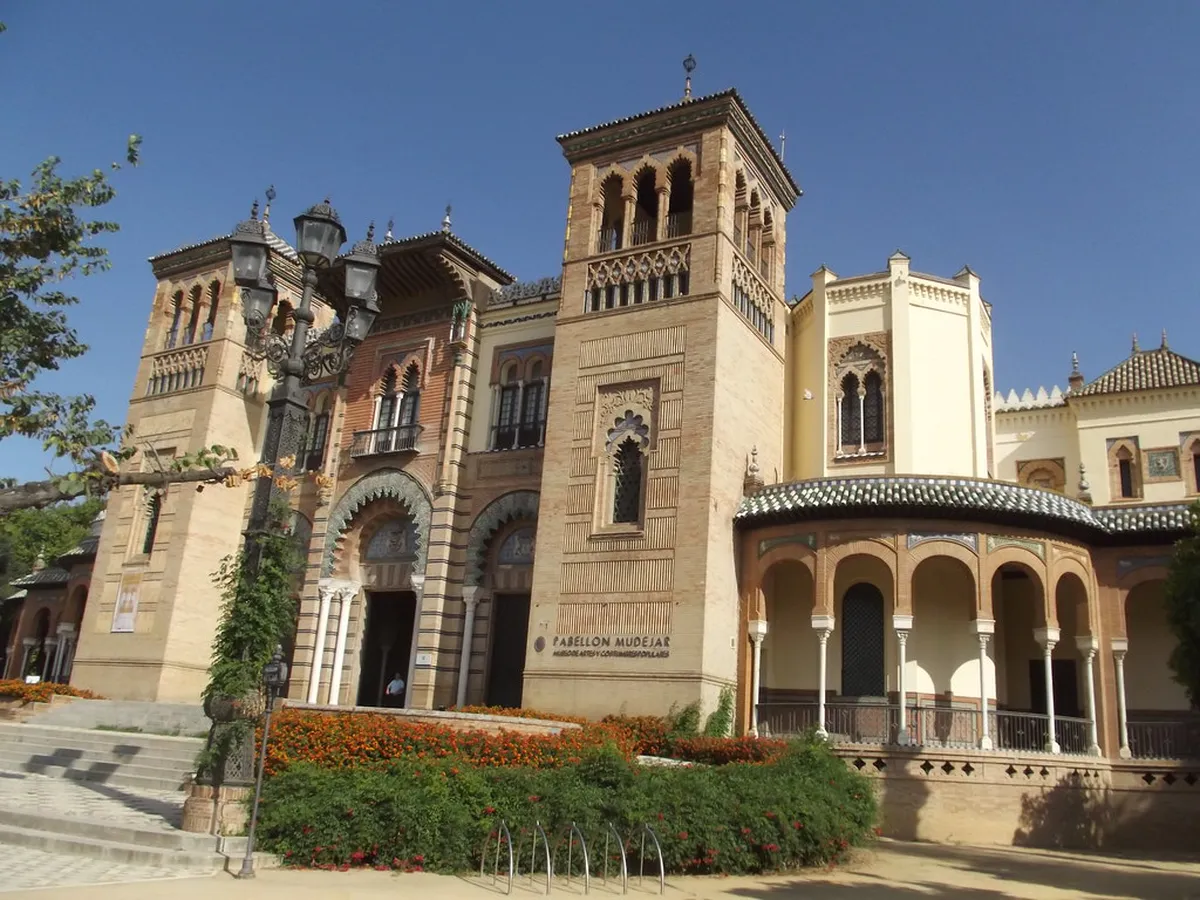
Table of Contents
Discover Seville's Architecture: A Journey Through Time and Styles
Seville offers a captivating journey through time. Its architecture reflects centuries of diverse cultural influences. You can see Roman foundations and Moorish design. Christian kingdoms later added their own grand visions. This unique blend makes Seville a truly special city. Discover its rich architectural heritage with this comprehensive guide.
Moorish and Mudejar Influences in Seville
Seville's history is deeply rooted in Moorish rule. The city, then called Ishbiliya, flourished for over 500 years. This era left an indelible mark on its urban fabric. You will discover stunning examples of Moorish architecture everywhere. These include intricate geometric patterns and horseshoe arches.
After the Christian Reconquista, a new style emerged. Mudejar architecture blended Islamic and Christian elements seamlessly. Local Muslim craftsmen continued their traditions. They built for Christian patrons, creating unique structures. Understanding what is Mudejar architecture enriches your visit greatly.
The Royal Alcázar of Seville is a prime example. It began as a Moorish fortress. Later, Peter I built a magnificent Mudejar palace inside. Its ornate courtyards and intricate tilework are breathtaking. Explore the beautiful Hall of Ambassadors. The Patio de las Doncellas offers serene beauty. Tickets average 14.50 EUR for adults in 2025. Book ahead to avoid long queues.
Another notable site is the Casa de Pilatos. This palace showcases a blend of styles. It perfectly integrates Mudejar aesthetics with Renaissance design. Observe the stunning Mudejar style courtyards. The detailed tilework and plasterwork are exquisite.
Gothic Grandeur: Seville Cathedral and Giralda Tower
Seville boasts the world's largest Gothic cathedral. The Seville Cathedral stands on the site of a former mosque. Construction began in the early 15th century. Its immense scale and intricate details are awe-inspiring. This magnificent structure highlights Gothic architecture at its peak. Look for flying buttresses and stained-glass windows.
The interior is equally impressive. It features a massive altarpiece and numerous chapels. Christopher Columbus’s tomb is also housed here. You can easily spend hours exploring its vast spaces. General admission is around 12 EUR in 2025. Consider a guided tour for deeper insights.
The Giralda Tower is the cathedral's iconic bell tower. It was originally the mosque's minaret. Almohad architects built it in the 12th century. Later, Renaissance additions completed its Christian transformation. The ramp ascent inside offers fantastic city views. Learn more about the Giralda Tower's architecture before your visit.
The architectural journey of the Giralda is fascinating. It transitioned from a symbol of Islamic power. It then became a beacon of Christian faith. This blend of styles is a testament to Seville's layered history. The views from the top are simply unforgettable. Don't miss this essential part of Seville Cathedral's architecture.
Renaissance and Baroque Splendor in Seville
Following the Gothic era, Renaissance styles arrived in Seville. The city became a crucial port for trade with the Americas. This brought immense wealth and new architectural trends. Wealthy merchants and nobles built grand palaces. These structures often blended with existing Mudejar elements. Discover the beauty of Seville's Renaissance palaces.
The Archive of the Indies is a stunning Renaissance building. It was designed by Juan de Herrera. This building houses invaluable documents from Spain's colonial past. Its restrained classicism contrasts with earlier styles. You can visit the main courtyard. Entry is typically free of charge. Check 2025 opening hours online before visiting.
Baroque architecture later dominated Seville. This style emphasizes drama, emotion, and ornate decoration. You will find many Baroque churches throughout the city. Their elaborate facades and altarpieces are captivating. Look for swirling columns and dramatic sculptures. These elements define Baroque buildings in Seville.
The Palace of San Telmo is another grand example. It started as a nautical school. Its elaborate Churrigueresque Baroque facade is striking. It now serves as the seat of the Andalusian government. While interior visits are limited, its exterior is a masterpiece. The University of Seville's main building, the former Royal Tobacco Factory, also features Baroque elements.
Aníbal González and the Iconic Plaza de España
⭐ Recommendation: Don't miss out on amazing Seville tours - book now!
Aníbal González Álvarez-Ossorio was a pivotal architect. He shaped much of modern Seville's identity. His work combined regionalism with historic styles. González drew inspiration from Mudejar and Baroque traditions. His vision transformed the city in the early 20th century. Learn about this influential Seville architect.
His magnum opus is the Plaza de España. It was built for the Ibero-American Exposition of 1929. This semicircular complex is absolutely magnificent. It features ornate bridges, tiled benches, and a canal. Each bench represents a Spanish province. The plaza is a must-see on any Seville architecture guide.
The Plaza de España seamlessly blends styles. Neo-Mudejar elements combine with Art Deco touches. It symbolizes Spain's history and its connection to the Americas. The vibrant azulejo tiles are a highlight. Admission to the plaza is free. You can even rent a rowboat on the canal.
González's work captured the spirit of Andalusia. His designs celebrated local craftsmanship. He utilized traditional materials and motifs. His legacy lives on in many of Seville's beloved landmarks. The park surroundings also offer beautiful views.
Modern Marvels and Hidden Architectural Gems
🌟 Local Expert Tip: Get the most out of your Seville visit with guided tours!
While known for its history, Seville also embraces modernity. The Metropol Parasol stands as a striking contemporary landmark. It is locally known as 'Las Setas' (The Mushrooms). Jürgen Mayer H. designed this massive wooden structure. It offers incredible views from its walkways. Explore the innovative Metropol Parasol structure. Access to the top walkway costs around 5 EUR in 2025.
Beneath the Parasol, Roman ruins are visible. This juxtaposition of old and new is truly captivating. It perfectly encapsulates Seville's spirit. The city continues to evolve while honoring its past. This modern icon offers a fresh perspective on the cityscape.
Seville also holds many hidden architectural gems. Wander through the Santa Cruz Quarter. You will find charming courtyards and ornate doorways. The Triana neighborhood boasts vibrant ceramic workshops and traditional homes. These areas offer glimpses into everyday Sevillian life. Discover Seville's lesser-known treasures.
Don't forget to look up at the intricate ironwork balconies. These add character to many historic buildings. Seek out the beautiful private patios. Many are only visible through open doors. These small details contribute significantly to the city's charm. Every corner reveals a new architectural delight.
Frequently Asked Questions
What is the most famous architectural style in Seville?
Seville is most famous for its Mudejar architecture. This unique style blends Islamic and Christian design. It emerged after the Christian Reconquista. The Royal Alcázar is a prime example. The Casa de Pilatos also showcases this blend beautifully.
Can I explore Seville's architecture on a self-guided tour?
Absolutely! Seville is perfect for self-guided architectural exploration. Many key sites are within walking distance. Grab a self-guided walking tour map. Plan your route to maximize your architectural discoveries. Consider focusing on a specific neighborhood each day. Wear comfortable shoes for all your walking.
Are there any modern architectural sites to see in Seville?
Yes, Seville offers compelling modern architecture. The Metropol Parasol is the most prominent example. Its impressive wooden structure dominates Plaza de la Encarnación. Another area to explore is Isla de la Cartuja. This site hosted Expo '92. You can still see some fascinating structures from that era. These include bridges and pavilions from Expo '92 architecture.
Seville's architecture offers an incredible tapestry of history. From ancient Roman roots to striking modern designs, every era is visible. This guide helps you navigate its diverse styles. Plan your visit to explore these magnificent structures. Make sure to capture the beauty of this amazing city. Book your landmark tickets in advance for a smoother trip.
Key Takeaways
- Seville's architecture is a unique blend of Moorish, Mudejar, Gothic, Renaissance, and Baroque styles.
- The Royal Alcázar and Seville Cathedral are must-see examples of historical design.
- Plaza de España showcases Aníbal González's iconic regionalist vision from 1929.
- Don't miss the modern Metropol Parasol for contemporary design and city views.
- Walk through Santa Cruz and Triana to discover charming hidden architectural details.