
Aníbal González: Seville's Iconic Architect in 2025
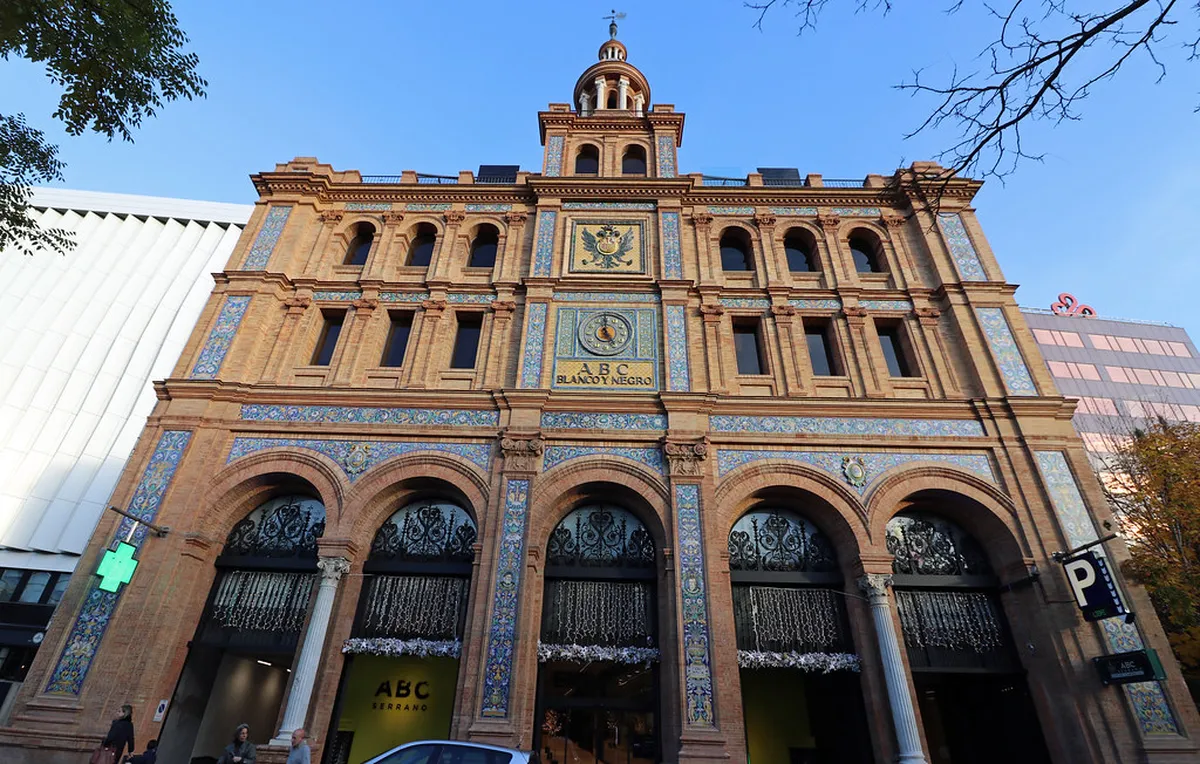
Table of Contents
Discover Aníbal González, Seville's Architectural Visionary
Aníbal González architect left an indelible mark on Seville. His visionary designs shaped the city's modern identity. He pioneered the Neo-Mudéjar style in the early 20th century. This unique aesthetic blended Moorish and Christian elements.
Born in 1876, González dedicated his life to Seville. His most famous project is the breathtaking Plaza de España. This article explores his genius and lasting legacy. Discover more about Seville's architecture through his incredible work. Learn more about travel at Architect Tourist.
The Early Life and Influences of Aníbal González
Aníbal González Álvarez-Ossorio was born in Seville, Spain. He came from a family with strong cultural ties. His early education took place within the city. He later pursued architecture in Madrid.
He attended the Superior Technical School of Architecture. Here, he honed his technical skills. González returned to Seville with fresh perspectives. He felt a deep connection to his homeland's heritage.
A significant influence was the Regionalism movement. This philosophy championed local traditions. It encouraged the use of regional materials and styles. González sought to express a distinct Sevillian identity.
His early career involved smaller commissions. These included residential projects and municipal works. He began experimenting with historical forms. This laid the foundation for his later iconic structures.
He drew heavily from Seville's rich Moorish architecture. The intricate details of past eras captivated him. His passion for preserving heritage became a hallmark. This commitment defined his entire career.
Pioneering the Neo-Mudéjar Style in Seville
Aníbal González became a prominent figure in Neo-Mudéjar. This distinctive style reinterpreted traditional Spanish forms. It masterfully combined Moorish, Gothic, and Renaissance elements. Ornate brickwork and vibrant azulejos were signature features.
He imbued his buildings with an unmistakable Sevillian flair. His designs proudly showcased local craftsmanship. Many structures feature incredibly detailed tilework. These azulejo tiles in Seville often depict historical narratives.
The Neo-Mudéjar style offered a romantic vision. It firmly connected Seville to its glorious past. González consciously moved away from stark modernism. He prioritized beauty and intricate detailing in his work.
His buildings aimed for both grandeur and harmony. They created a profound sense of place and pride. He seamlessly blended diverse historical influences. This resulted in structures that are truly unique.
This architectural style quickly gained popularity. It defined an entire era of building in Seville. González's interpretation set him apart. His designs remain instantly recognizable throughout the city. Discover more about Aníbal González's architectural style.
Plaza de España: An Iconic Masterpiece
The Plaza de España stands as Aníbal González's magnum opus. He designed it for the Ibero-American Exposition of 1929. This monumental square perfectly showcases his genius. It symbolizes Seville's architectural prowess.
The Plaza features a vast semicircular brick building. This structure is richly adorned with ceramic details. A long canal flows along the plaza's curve. Visitors can rent small boats for a charming experience.
Four elegant bridges cross this canal. They symbolize the ancient kingdoms of Spain. Each Spanish province is represented by a unique tile mural. These intricate murals line the base of the building.
The sheer scale of the Plaza is breathtaking. It masterfully combines Baroque Revival with Mudéjar elements. The vibrant azulejo tiles are a particular highlight. They create stunning colorful panoramas.
Entry to the Plaza de España is free in 2025. It typically opens from 9 AM to 10 PM. This landmark truly embodies the grand Plaza de España design. It is a must-visit for every traveler.
Other Significant Works by Aníbal González
🌟 Local Expert Tip: Get the most out of your Seville visit with guided tours!
Beyond the Plaza de España, Aníbal González contributed significantly. He designed the Pabellón Real, or Royal Pavilion. This exquisite building also formed part of the 1929 Expo grounds. It currently serves as municipal offices.
The Museo de Artes y Costumbres Populares is another gem. Located within the beautiful Parque de María Luisa, it was the Pabellón Mudéjar. This structure exemplifies his signature style. Its intricate brickwork remains captivating.
González undertook major renovations at the Bullring of Seville. His additions enhanced its traditional charm. He integrated new elements while respecting its history. Learn more about Seville's bullring architecture.
The Capilla del Carmen is a smaller but equally beautiful work. It stands prominently at the Triana Bridge entrance. This chapel displays his skill in designing more intimate spaces. It features a stunning ceramic-clad exterior and bell tower.
These buildings, among others, demonstrate his versatility. They cement his status as a master architect. Many of his famous buildings in Seville remain vital landmarks. They attract visitors year-round.
Aníbal González's Lasting Impact on Seville
Aníbal González passed away in 1946, leaving a rich legacy. His architectural vision continues to shape Seville. His buildings define much of the city's unique charm. They attract millions of visitors annually in 2025.
He is celebrated as a pivotal figure in Spanish architecture. His work preserved Andalusian heritage effectively. He innovatively adapted traditional styles. This created a lasting and distinct architectural identity.
His influence extends beyond the local scene. Many contemporary architects drew inspiration from his work. He proved that tradition and innovation can harmoniously coexist. His designs are timeless and truly inspiring.
González's work profoundly impacted Seville's urban development. He helped craft the city's image. His buildings are not just structures; they are cultural statements. They tell the story of a vibrant region.
To fully appreciate his genius, consider an architecture tour in Seville. These tours offer deeper insights into his techniques. You can learn about his creative inspirations. Don't miss the chance to experience his masterpieces firsthand.
Frequently Asked Questions
What is Aníbal González's most famous work?
Aníbal González is most famous for designing the Plaza de España. He created this masterpiece for the 1929 Ibero-American Exposition. It showcases his signature Neo-Mudéjar architectural style. This grand square is a must-see for all visitors.
What architectural style did Aníbal González use primarily?
Aníbal González primarily used the Neo-Mudéjar architectural style. This style revived Moorish and Gothic elements. It often incorporated intricate brickwork and vibrant azulejo tiles. He also blended features from Mudéjar style in Seville.
Where can one visit Aníbal González's buildings in Seville?
Many of Aníbal González's buildings are in Seville. The Plaza de España is located in María Luisa Park. The Pabellón Real and Museo de Artes Populares are also nearby. The Capilla del Carmen stands at the Triana Bridge. Consider a self-guided walking tour to discover them all.
Did Aníbal González only design structures in Seville?
While Aníbal González is strongly associated with Seville, he did work on some projects outside the city. However, his most significant and celebrated designs are indeed in Seville. His profound impact on the city's urban fabric is unparalleled. His legacy is firmly rooted in the architecture of Seville.
Aníbal González architect remains a towering figure in Seville's history. His stunning Neo-Mudéjar buildings define the city's unique character. The majestic Plaza de España stands as his crowning achievement. He seamlessly blended history with innovative design.
Visiting his works offers a deep dive into Seville's artistic soul. Plan your architectural journey today in 2025. Discover the timeless beauty he created. Explore Seville's rich architectural heritage firsthand. You will be truly inspired.
Key Takeaways
💡 Pro Tip: Book your Seville adventures in advance through Viator for the best deals!
- Aníbal González pioneered Seville's iconic Neo-Mudéjar architectural style.
- The Plaza de España is his most famous and essential architectural creation.
- His work blends Moorish, Gothic, and Renaissance influences with local materials like azulejos.
- Many of his magnificent buildings are easily accessible throughout Seville for exploration.