
Azulejo Tiles Seville: Ultimate Guide to Ceramic Art
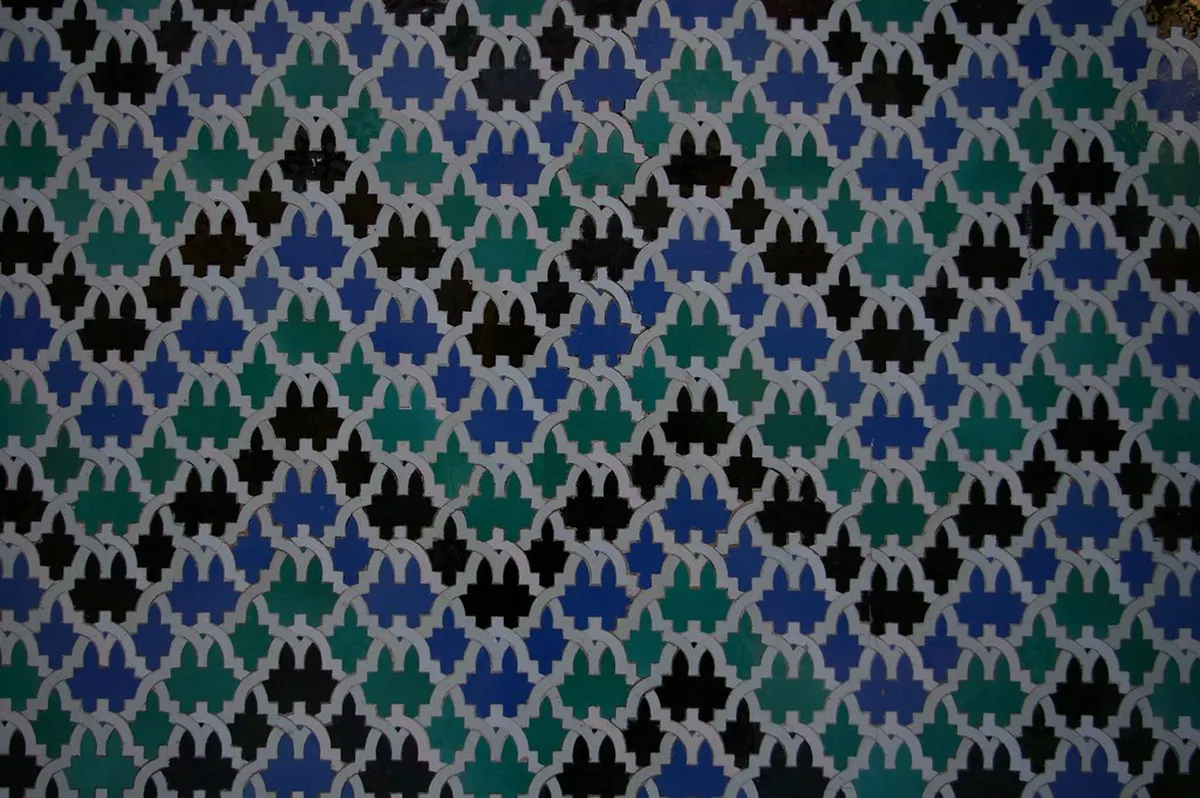
Table of Contents
Discover Seville's Azulejo Tiles: A Ceramic Art Guide
Seville's vibrant history is beautifully told through its iconic Azulejo tiles. These stunning ceramic pieces decorate countless buildings. They reflect centuries of diverse cultural influences. You will see these tiles everywhere you look in Seville.
This guide explores the intricate world of Azulejo tiles Seville. Learn their rich history and discover the best places to find them. Plan your journey to truly appreciate this unique art form. Explore Seville's broader architectural wonders as well.
The Rich History of Azulejo Tiles in Seville
The story of Azulejo tiles in Seville begins with Moorish influence. "Zellige" tiles, geometric and intricate, arrived from North Africa. These early ceramics decorated mosques and palaces beautifully. They became a hallmark of Islamic art and design.
After the Reconquista, Christian rulers embraced this art form. They adapted the designs to their own tastes. Seville quickly became a major center for tile production. You can explore this rich past at Seville's tile history sites.
The 16th century brought Italian Renaissance styles to Azulejos. Pictorial scenes and classical motifs gained popularity. Artists created elaborate murals for churches and palaces. This blend of cultures makes Seville's tiles unique.
The famous Triana neighborhood played a crucial role. It was home to many ceramic workshops. Generations of artisans perfected their craft here. Discover more about Triana's architectural heritage.
Top Locations to See Azulejo Tiles in Seville
Seville offers countless spots to admire Azulejo tiles. The Plaza de España is an absolute must-see. Its grand semicircular building features stunning tiled alcoves. Each alcove represents a different Spanish province.
The details on these tiles are simply incredible. They depict historical events and maps. Plan your visit to this iconic site in 2025. Learn about the Plaza de España's unique design.
Next, visit the Real Alcázar of Seville. This royal palace boasts exquisite Mudejar tilework. Intricate patterns adorn walls, floors, and fountains. The Ambassador's Hall offers particularly breathtaking views. Explore the Alcázar's incredible architecture.
The Casa de Pilatos is another hidden gem. This mansion blends Mudejar, Gothic, and Renaissance styles. Its courtyards and staircases are a feast for the eyes. You will find beautiful Azulejos at every turn. See details on Casa de Pilatos' architectural style.
Wander through the Santa Cruz Quarter for charming discoveries. Many traditional houses feature tiled facades. You might also spot colorful tiled street signs. Even small patios often hide beautiful tile installations. Enjoy a stroll through Santa Cruz.
Understanding Azulejo Styles and Designs
Azulejo tiles showcase a fascinating evolution of styles. Early Moorish designs were primarily geometric. These intricate patterns, called "lacería," avoid figurative representations. They often feature stars, polygons, and interlacing lines.
The Christian reconquest introduced figurative elements. Tiles began depicting coats of arms, religious scenes, and landscapes. Renaissance influence brought classical motifs and vibrant colors. Artists mastered new glazing techniques.
Mudejar style truly defines Sevillian tiles. It's a unique blend of Islamic and Christian art. You see Moorish geometric patterns combined with Gothic and Renaissance elements. This fusion creates stunning, elaborate compositions. Discover more about Mudejar art in Seville.
Later, during the early 20th century, Aníbal González brought new life. His modernist designs can be seen across Seville. The Plaza de España is a prime example of his work. His vibrant tiles celebrate Spanish history and culture. Many Aníbal González buildings feature these iconic tiles.
Buying Authentic Azulejo Tiles in Seville (2025 Guide)
🎯 Insider Tip: Discover the best Seville experiences with Viator Tours!
Bringing Azulejo tiles home is a wonderful souvenir. For authentic pieces, head to the Triana neighborhood. Many small workshops still operate there. You can often see artisans painting tiles by hand.
Visit shops like Cerámica Ruiz or Cerámica Santa Ana. They offer both traditional and modern designs. Always check for a reputable artisan's signature. This ensures you are buying genuine local craft. You can also explore Seville's famous patios for inspiration.
Specialized ceramic stores are your best bet. Avoid street vendors selling mass-produced items. Prices for hand-painted tiles vary widely. A small decorative tile might cost €10-€30. Larger, custom pieces will be more expensive.
Consider shipping options for bigger purchases. Many reputable shops offer international shipping. They pack items carefully to prevent breakage. This ensures your beautiful Seville Azulejo tiles arrive safely. Remember these tips when shopping in 2025.
Practical Tips for Exploring Seville's Azulejo Art
To fully enjoy Seville's Azulejo art, plan ahead. Wear comfortable shoes for walking. Many beautiful tiles are found on building facades. You will explore many charming narrow streets on foot.
Visit major landmarks in the morning. This helps you avoid large crowds. The light is also often softer for photography then. Check specific landmark visiting hours before you go.
Consider a specialized architecture or tile tour. Local guides offer deep insights into the art. They can point out hidden gems you might miss. Explore options for Seville architecture tours.
Don't forget your camera. Azulejo tiles offer incredible photo opportunities. Focus on details, colors, and patterns. Capture the essence of this unique Sevillian art form. It's a vibrant part of the city's identity.
Frequently Asked Questions
What is the best area to see Azulejo tiles in Seville?
The Triana neighborhood is historically significant for Azulejo production. You will find many workshops and shops there. The Santa Cruz Quarter also features many tiled facades. Iconic landmarks like the Plaza de España are unmissable for grand displays. Visit the best places to see Azulejos.
Can I make my own Azulejo tile in Seville?
Yes, several workshops in Triana offer tile painting classes. These experiences provide hands-on learning. You can design and paint your own souvenir tile. It's a memorable way to engage with the local craft. Learn more about self-guided artistic exploration in the city.
Are Azulejo tiles expensive to buy in Seville?
Prices vary greatly based on size and artistry. Small, hand-painted decorative tiles start around €10-€30. Larger or custom-made pieces can cost hundreds. Machine-made tiles are generally cheaper. Investing in authentic pieces supports local artisans. You can find more tips on buying authentic tiles.
Azulejo tiles are more than just decoration in Seville. They are a profound expression of its history and culture. Every tile tells a story of Moorish and Christian influences. Take time to explore these beautiful ceramic artworks.
Your journey through Seville's tiled landscapes will be unforgettable. Plan your 2025 visit to immerse yourself fully. Discover the vibrant beauty of Azulejos and the city they adorn. For deeper dives, explore Moorish architectural influences throughout the region. Learn more about Seville's architecture overall.
Key Takeaways
- Seville's Azulejos blend Moorish and Christian artistry.
- Must-see spots include Plaza de España and Real Alcázar.
- Buy authentic, hand-painted tiles in Triana for souvenirs.
- Consider a guided tour for deeper insights.