
Discover Triana Neighborhood Buildings in Seville
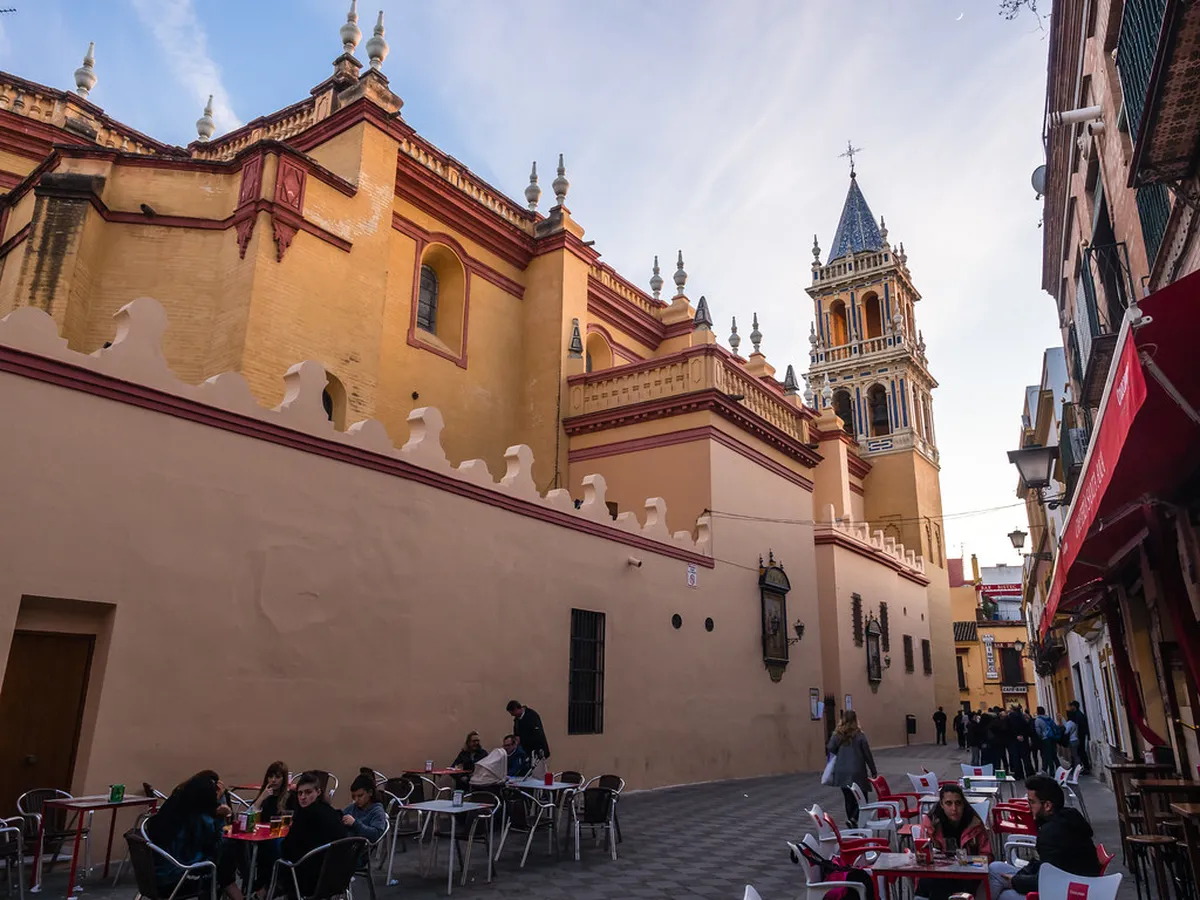
Table of Contents
Exploring the Unique Triana Neighborhood Buildings in Seville
Cross the iconic Puente de Triana to discover a truly unique part of Seville. The Triana neighborhood buildings offer a stark contrast to the grandeur of the city center. This historic district boasts a distinct architectural style and vibrant local culture.
Triana, traditionally a working-class quarter, developed its own identity across the Guadalquivir River. Its charming streets and colorful facades tell stories of flamenco, pottery, and bullfighting. Prepare to immerse yourself in the authentic architecture of Triana for an unforgettable 2025 visit.
The Heart of Triana: Traditional Homes and Patios
Triana's residential architecture captivates visitors instantly. Streets are lined with narrow, colorful houses, often adorned with potted plants. These facades present a delightful visual tapestry.
Many homes feature beautiful ironwork balconies, a classic Andalusian touch. Walk through the tranquil lanes to appreciate these details. The vibrant colors reflect the lively spirit of the community.
Behind many doors lie traditional communal courtyards, known as corrales. These shared spaces fostered strong community bonds for generations. Visiting these courtyards offers a glimpse into local life and Seville's famous patios culture. Some corrales are open to the public during special events.
These Andalusian style homes showcase practical design elements. They prioritize ventilation and shade during hot summer months. Explore the charming architecture and historical layouts.
Ceramic Art and Azulejo Facades in Triana
Ceramics are deeply woven into the fabric of Triana. This neighborhood has been Seville's pottery hub for centuries. You will see its influence on many Triana neighborhood buildings.
Vibrant azulejo tiles decorate countless facades, shop fronts, and public benches. These hand-painted ceramic squares are a hallmark of Seville. Each tile tells a small story with its intricate designs.
Explore the old ceramic factories, now often museums or art studios. The Centro Cerámica Triana is a fantastic place to learn. It details the history and artistry of this local craft.
For a unique experience, consider exploring Triana's ceramic workshops. Many still operate today, producing beautiful pieces. You can purchase authentic souvenirs and witness artisans at work.
Historic Landmarks and Bridges of Triana
Triana is home to several significant historical structures. The most prominent is the Puente de Triana, or Isabel II Bridge. This iron bridge connects Triana to central Seville.
Built in the mid-19th century, it replaced an older pontoon bridge. It offers stunning views of the city skyline and river. The bridge itself is an architectural marvel of its time.
Beneath the bridge lies the lively Triana Market, housed in the former Castillo de San Jorge. This historic castle was once headquarters for the Spanish Inquisition. Today, it offers a vibrant culinary experience.
The Church of Santa Ana, dating back to the 13th century, is another key landmark. It stands as one of Seville's oldest churches. Its Gothic-Mudejar elements provide a glimpse into early Seville architecture. Admission is typically around 3-5 Euros, and it opens daily, excluding Mass times.
Evolution of Triana's Architectural Style
🌟 Local Expert Tip: Get the most out of your Seville visit with guided tours!
Triana's architectural journey is distinct from other Seville districts. Its buildings reflect a blend of pragmatism and artistic flair. The neighborhood's working-class roots shaped its unique character.
Early influences, including Moorish and Mudejar styles, subtly appear in older structures. However, Triana developed a more functional, yet colorful, vernacular. This allowed for communal living and craft-based industries.
You will find fewer grand palaces here compared to the city center. Instead, discover charming townhouses and communal living spaces. These buildings prioritize community and local trade.
The fusion of simple designs with decorative ceramic elements defines Triana's appeal. It showcases a beautiful example of how culture and daily life influence building aesthetics. This style remains largely intact today for visitors in 2025.
Frequently Asked Questions
What makes Triana neighborhood buildings unique in Seville?
Triana's buildings are distinctive for their colorful facades and traditional Andalusian style. They often feature elaborate ironwork balconies and interior courtyards (corrales). The abundant use of hand-painted ceramic tiles, or azulejos, is also a key characteristic.
These elements create a vibrant, cohesive look. It sets Triana apart from Seville's more monumental architecture. The buildings reflect the neighborhood's rich artisanal heritage.
Can I visit ceramic workshops and factories in Triana?
Yes, Triana remains Seville's hub for traditional ceramics. You can explore several workshops and old factory sites. The Centro Cerámica Triana acts as a museum and cultural center.
Many smaller workshops still operate, offering beautiful handmade items for sale. This provides an excellent opportunity to purchase authentic local crafts. You can experience Triana's ceramic tradition firsthand.
Are there specific architectural tours of the Triana neighborhood?
While not always exclusive to Triana, many Seville walking tours include the neighborhood. Some focus on its cultural and historical significance. You can also take a self-guided walking tour.
Look for tours that highlight local crafts, flamenco, and history. These tours often point out key architectural features. They provide insights into the distinctive Triana neighborhood buildings.
What are the common building materials used in Triana?
Traditional Triana buildings primarily use brick, plaster, and timber. Whitewash and vibrant paint colors are common for facades. Ceramic tiles play a significant decorative role.
These materials were historically accessible and practical. They helped create durable, climate-appropriate structures. Many techniques reflect ancient building practices in the region.
Triana's neighborhood buildings offer a refreshing perspective on Seville's architectural diversity. From colorful homes to iconic bridges, this district tells its own unique story. Plan your visit to discover its vibrant streets and rich artistic heritage in 2025.
Embrace the local charm and distinctive character of Triana. It's a truly essential stop for any architecture enthusiast. Explore its authentic beauty and unique architectural heritage.
Key Takeaways
- Triana buildings feature vibrant colors and traditional Andalusian charm.
- Ceramic azulejo tiles are a defining decorative element on many facades.
- Explore historic landmarks like Puente de Triana and the Church of Santa Ana.
- Experience traditional communal patios (corrales) unique to the neighborhood.
- Triana offers an authentic glimpse into Seville's working-class history and craft culture.