
Corralejo Architecture Guide: Discovering Fuerteventura's Unique Building Styles
December 11, 2025
By Editor
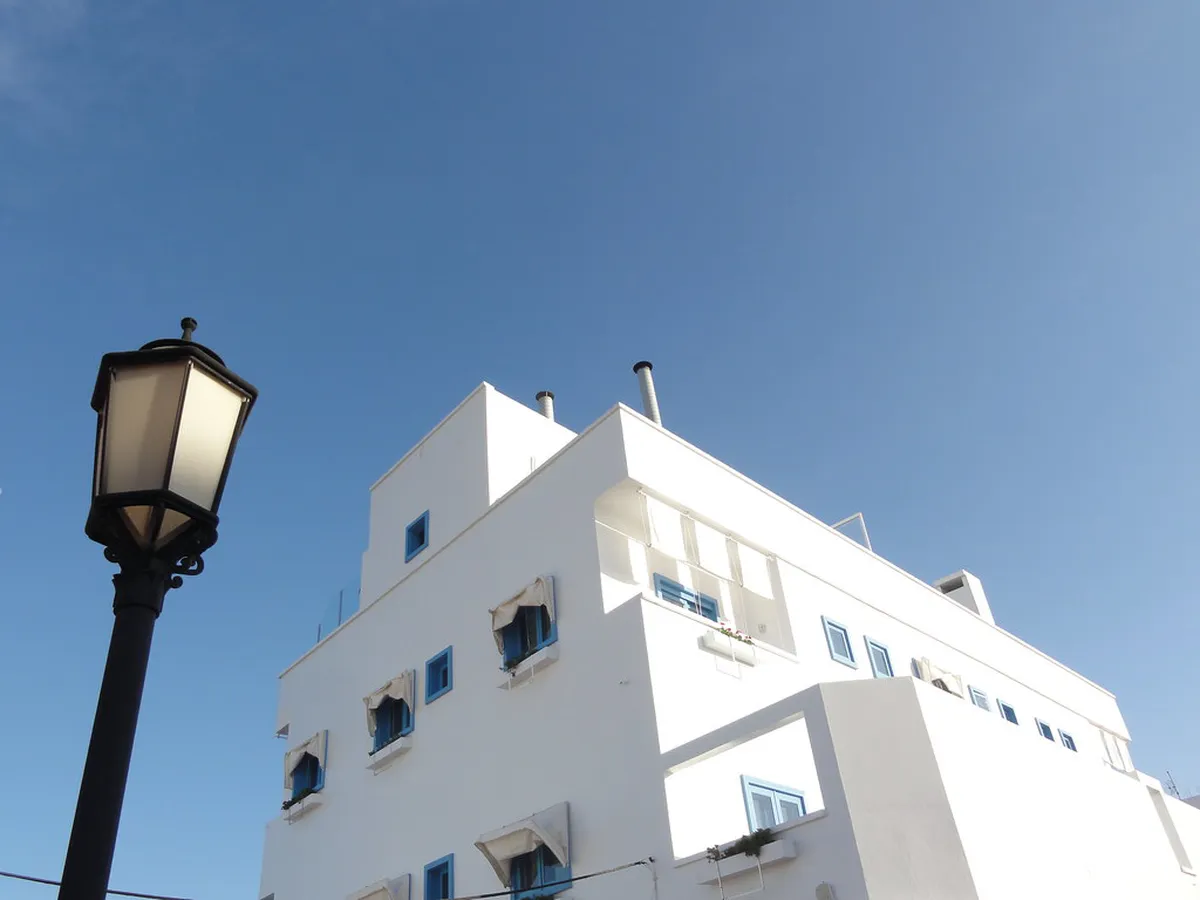
Table of Contents
An Architect's Journey Through Corralejo: Unveiling Fuerteventura's Diverse Styles
The Enduring Charm of Historic Corralejo Architecture
Step into the heart of Corralejo and you'll find an authentic charm rooted in its past. The historic architecture of Corralejo largely centers around its old town, a delightful labyrinth of narrow streets and traditional buildings that whisper tales of bygone eras. Here, you can truly appreciate the origins of the settlement, built by fishermen and early settlers. Exploring old town Corralejo's historic buildings reveals a simpler, more utilitarian style, designed to withstand the elements and provide comfortable living. The preserved facades, rustic wooden details, and cobbled pathways offer a stark contrast to the town's more modern developments, giving visitors a glimpse into the history of architecture in Corralejo before the advent of mass tourism. These structures are integral to the town's character, forming the foundational layer of its architectural identity.Embracing the Canarian Architectural Style
The quintessential Canarian architectural style is a defining feature throughout Corralejo, especially noticeable in its older districts. Characterized by whitewashed walls, flat roofs, and often vibrant green or blue wooden doors and window frames, these homes are built to cope with the island's warm climate. Delving into the key features of Canarian style houses, you'll observe elements like small, strategically placed windows to minimize sun exposure, inner courtyards for shade and ventilation, and robust stone foundations. You can easily find Canarian architecture in Corralejo by simply strolling through the old fishing village. Many of these structures represent traditional Fuerteventura houses, often referred to as 'casas rurales,' which embody a rustic charm and a deep connection to the island's agricultural and maritime heritage. Understanding what is a traditional Canarian casa rural helps to appreciate the functional beauty and cultural significance embedded in these designs.Modern Visions: Contemporary Villas and Luxury Homes
Beyond the traditional, Corralejo has embraced contemporary design, particularly evident in its residential areas. The rise of modern villas in Corralejo caters to a growing demand for stylish and comfortable living. These properties often feature expansive glass panels, open-plan layouts, and infinity pools that merge with the horizon. Exploring the best modern villa designs in Corralejo reveals a commitment to sleek lines, minimalist aesthetics, and integration with the surrounding landscape. The architectural trends in Corralejo luxury homes lean towards sophisticated simplicity, often incorporating local materials with modern finishes. If you're curious about luxury villa design, Corralejo offers prime examples. For a peek into the most exclusive residences, articles like inside the most luxurious villas in Corralejo highlight innovative architectural solutions. Furthermore, the town has seen the rise of minimalism in Canarian architecture, with many new builds adopting clean, uncluttered designs that emphasize light, space, and understated elegance. This minimalist design in Corralejo provides a refreshing contrast to the more ornate styles sometimes found elsewhere.Sustainable and Eco-Friendly Architecture in Fuerteventura
💡 Pro Tip: Book your Madrid adventures in advance through Viator for the best deals!
Religious and Public Architecture: The Town's Beating Heart
Corralejo's identity is also shaped by its significant public and religious structures. The most prominent religious building is the Corralejo church architecture, notably the Nuestra Señora del Carmen Church. Its distinctive Nuestra Señora del Carmen Church design, with its simple yet elegant lines and a commanding presence overlooking the harbor, is a focal point for the community. Learning about the architectural history of Corralejo's main church provides insight into the town's spiritual and social development. Beyond places of worship, the public space design in Corralejo plays a crucial role in civic life. Analyzing the design of Corralejo's main square (Plaza de la Iglesia) reveals an inviting area for gatherings, shaded by palm trees and flanked by cafes. Similarly, the architectural features of the Corralejo promenade offer a harmonious blend of functional walkways, recreational areas, and viewpoints, all designed to enhance the coastal experience for both residents and visitors.Spanish Colonial and Subtle Moorish Influences
The history of the Canary Islands is inextricably linked with Spain, and this connection is visible in Corralejo's architecture. Traces of Spanish colonial influence can be found in various buildings, particularly in the older parts of town. You can practice identifying colonial details in Corralejo buildings, such as certain roof tile styles, robust wooden elements, and specific facade treatments that echo mainland Spanish architecture. The article how Spain influenced Fuerteventura architecture provides deeper context. While less overt, there are also subtle hints of Moorish architectural details, a legacy from Spain's own complex history. While not as pronounced as in southern Spain, keen observers might appreciate spotting Moorish influence in Corralejo design, perhaps in geometric patterns, decorative ironwork, or the layout of inner courtytyards, reflecting ancient trade routes and cultural exchanges. These subtle elements add layers of historical depth to the town's overall aesthetic.The Role of Local Materials and Color Palette
Corralejo's architecture is deeply rooted in its environment, utilizing local building materials to create structures that are both durable and aesthetically harmonious with the landscape. The ubiquitous use of volcanic stone in Corralejo, especially in foundations and decorative elements, is a testament to the island's geological heritage. This dark, rugged stone provides a beautiful contrast to the dominant whitewashed walls. In older buildings, you can also see evidence of traditional wood and lime in Canarian construction, used for structural elements and finishes, which contributed to the breathable and cool interiors. The distinctive Corralejo color palette is another defining characteristic. The pristine white walls are not merely decorative; the meaning of white walls in Canarian architecture is practical, reflecting sunlight to keep interiors cool. Similarly, the question of urban planning and the profound impact of tourism. Initially a small fishing village, the development of Corralejo's town layout has been significantly shaped by its growth into a major tourist destination. The expansion from a compact old town to sprawling residential areas and resort complexes reflects this transformation. Understanding how tourism shaped Corralejo's urban design reveals a fascinating balance between preserving local character and accommodating modern amenities. This has led to a mix of low-rise traditional buildings and larger, more contemporary hotel structures and holiday villas. The challenge lies in ensuring that new developments integrate seamlessly while maintaining the authentic charm that first attracted visitors. Efforts in zoning and architectural guidelines aim to manage this growth, fostering a cohesive yet diverse urban fabric that supports both local life and the tourism industry. From the bustling main streets with the architecture of shops on main street to thoughtfully designed how restaurants in Corralejo are designed to attract diners, commercial buildings play a crucial role in the urban experience.Experiencing Corralejo's Architecture: Tours and Photography
To fully appreciate Corralejo's architectural diversity, nothing beats an immersive exploration. For photography enthusiasts, there are numerous architecture photography spots offering unique angles and stunning backdrops. Discover the best places to photograph Corralejo architecture, from the vibrant marina to the quiet lanes of the old town. Remember to apply tips for capturing Canarian design details, focusing on textures, colors, and the interplay of light and shadow. Consider embarking on a self-guided architecture tour; you can even download a free Corralejo architecture map to navigate. Several architecture walking routes are available, including the best walking route for Corralejo architecture fans, and a short walk through Corralejo's old town. For deeper historical insights, explore historical building maps or interactive versions like the interactive map of historic Corralejo sites. Don't forget to seek out hidden architectural gems, often found tucked away in less-trafficked areas, offering delightful surprises.Frequently Asked Questions
What is the dominant architectural style in Corralejo?
The dominant style is traditional Canarian architecture, characterized by whitewashed walls, flat roofs, and often green or blue wooden elements. However, modern and minimalist designs are also prevalent, especially in newer residential developments.
Are there any historic buildings to visit in Corralejo?
Yes, the old town of Corralejo (El Casco Viejo) is rich with historic buildings, particularly around the fishing harbor and the main church, Nuestra Señora del Carmen. These areas offer the best examples of original Canarian architecture.
Does Corralejo feature sustainable or eco-friendly architecture?
Yes, Corralejo is seeing a growing trend in sustainable architecture, with new constructions and renovations incorporating eco-friendly materials, energy-efficient designs, and technologies like solar panels to minimize environmental impact.
Where can I see modern architecture in Corralejo?
Modern architecture, particularly in the form of luxury villas and minimalist designs, can be found in the newer residential areas surrounding the town center, as well as in some contemporary hotel and resort complexes.
Key Takeaways
- Corralejo's architecture is a fusion of traditional Canarian, Spanish colonial influences, and modern designs.
- The old town showcases authentic historic buildings with distinctive whitewashed walls and vibrant wooden accents.
- Modern villas and luxury homes often feature minimalist aesthetics and sustainable building practices.
- Local materials like volcanic stone are integral to Corralejo's construction, providing durability and a connection to the island's geology.
- Urban planning has evolved to balance tourism development with the preservation of the town's original character.
- Self-guided tours and photography expeditions are excellent ways to explore Corralejo's diverse architectural styles.