
Discover Traditional Fuerteventura Houses in Corralejo
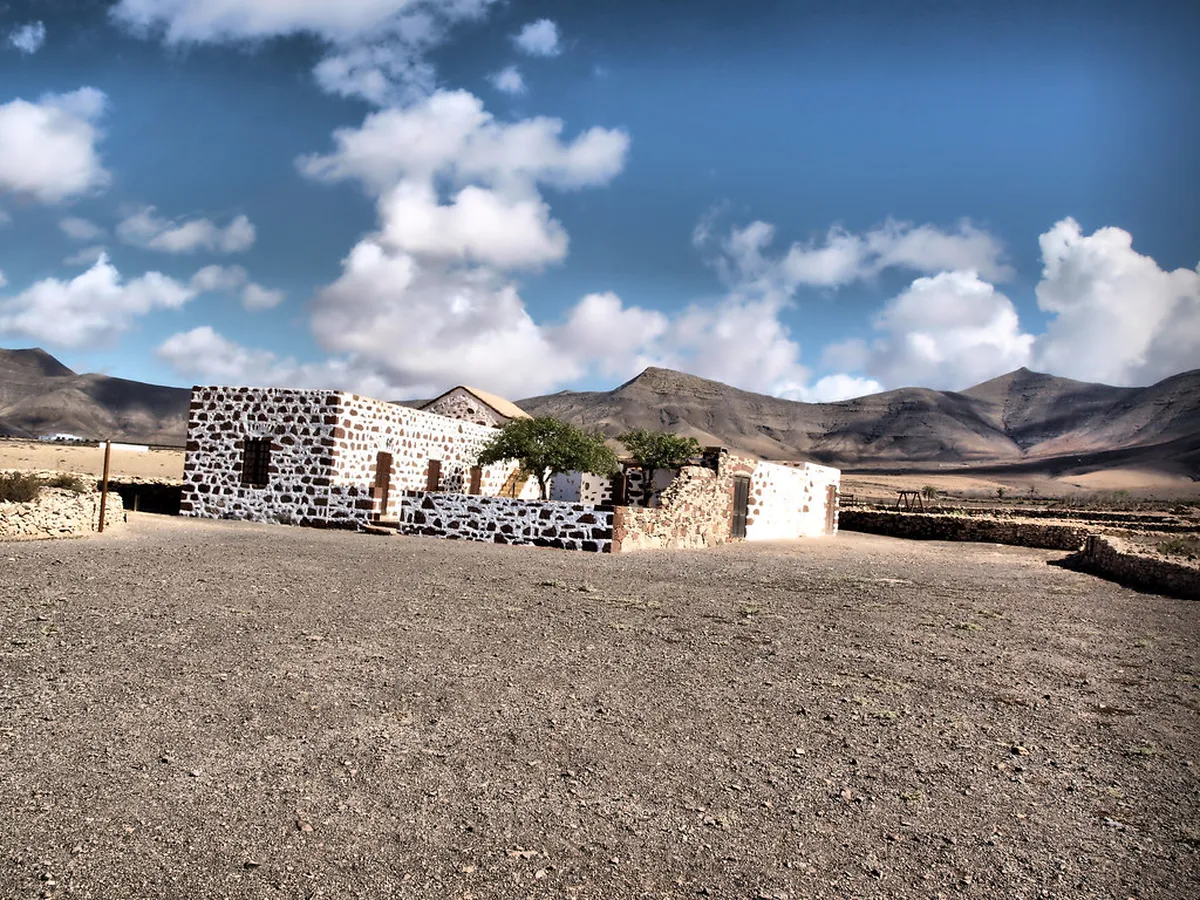
Table of Contents
Exploring Traditional Fuerteventura Houses in Corralejo
Corralejo in Fuerteventura offers unique architectural insights. Many visitors are drawn to its stunning beaches and vibrant atmosphere. Yet, the true soul of the island lies within its traditional Fuerteventura houses. These homes tell a story of history and local culture.
You can discover the authentic Canarian architectural style throughout the town. This guide will help you appreciate their timeless beauty. Join us to explore these charming, historic buildings in 2025.
The Unique Charm of Canarian Architectural Style
Traditional Fuerteventura houses showcase a distinctive aesthetic. Their design reflects centuries of island life. These homes perfectly adapt to the Fuerteventura climate. They embody a simple yet functional beauty.
One key feature is the use of white-washed walls. This helps reflect the intense sunlight. Flat roofs are also common in these historic Corralejo architecture. These designs create cool interiors, even on hot days.
Many traditional houses feature small windows. These windows minimize heat gain inside the home. Courtyards provide private, shaded outdoor spaces. These elements contribute to sustainable living practices.
You will often find wooden balconies or shutters. These details add character and charm. The Corralejo color palette typically includes natural tones. These blend seamlessly with the island's volcanic landscape.
Key Features of Old Corralejo Homes
Spotting authentic traditional Fuerteventura houses is easy. Look for structures built with natural stone. Volcanic rock is a very common building material here. This gives homes a robust and earthy appearance.
Wooden elements are also prevalent in older houses. Dark wood doors and window frames stand out. These provide a beautiful contrast against white walls. Many homes feature small, enclosed patios.
These patios offer a quiet retreat from the sun and wind. They are often adorned with native plants. Identifying authentic old houses in Corralejo reveals rich history. Each detail tells a story of the island's past.
Traditional houses rarely have elaborate ornamentation. Their beauty comes from simplicity and utility. This minimalist approach has been a cornerstone for centuries. Experience this timeless design firsthand in 2025.
Local Materials and Construction Techniques
The construction of traditional Fuerteventura houses utilized local resources. Volcanic stone was readily available across the island. This material provided excellent insulation properties. It kept homes cool in summer and warm in winter.
Mortar was often made from local sand and lime. This created a durable and breathable structure. Wood for beams and doors came from various sources. Pine and other resilient timbers were common choices.
Early builders embraced practical, enduring methods. They mastered techniques passed down through generations. These methods focused on sustainability and resilience. Understanding local building materials reveals ingenuity.
Today, some restoration projects honor these traditions. They aim to preserve the authentic character. Maintaining these original techniques is crucial. It helps protect Corralejo's architectural heritage for future visitors.
Where to Find and Explore Traditional Houses
🎯 Insider Tip: Discover the best Madrid experiences with Viator Tours!
To find traditional Fuerteventura houses, venture beyond the main tourist areas. The historic center of Corralejo holds many gems. Small side streets often reveal hidden architectural treasures. You can discover them on a self-guided architecture tour.
Consider exploring the older fishing village sections. These areas retain much of their original charm. Some houses are still private residences. Please be respectful of people's privacy while exploring.
Many traditional homes have been converted into small guesthouses. Others now serve as charming local restaurants. This allows visitors to experience their unique atmosphere. A 'casa rural' offers an authentic stay experience.
Look for signs of age and unique features. Wooden elements and stone walls indicate authenticity. Consulting a Corralejo architecture guide will pinpoint key locations. Plan your architectural exploration for your next visit.
Frequently Asked Questions
🌟 Local Expert Tip: Get the most out of your Madrid visit with guided tours!
What defines a Traditional Fuerteventura House?
Traditional Fuerteventura houses feature white-washed walls and flat roofs. They often use local volcanic stone in construction. Small windows and interior courtyards are also common. These elements ensure comfort in the island's climate.
Can I stay in a traditional Canarian house in Corralejo?
Yes, many traditional houses are now available for rent. They are often called 'casas rurales' or guesthouses. These offer an authentic local experience. Consider booking one for your 2025 visit to Corralejo. Learn more about what is a traditional Canarian casa rural before you book.
Are there any preserved traditional villages near Corralejo?
While Corralejo has traditional areas, nearby villages offer deeper insight. Inland towns often have more intact traditional architecture. Explore places like Betancuria for a glimpse into the past. Always check opening times for historic sites.
Traditional Fuerteventura houses offer a window into the island's heritage. Their simple, functional beauty tells a rich story. Next time you visit Corralejo, take time to appreciate these historic buildings. They are a testament to durable, practical island design.
Plan your architectural exploration for a deeper connection. Discover the true essence of Fuerteventura. For more details, explore our Corralejo architecture guide.
Key Takeaways
🎯 Insider Tip: Discover the best Madrid experiences with Viator Tours!
- Look for white-washed walls and volcanic stone in traditional homes.
- Explore Corralejo's older streets for authentic architectural gems.
- Consider staying in a 'casa rural' for a unique cultural experience.