
Las Palmas de Gran Canaria Architecture Guide: A Journey Through Time and Style
December 10, 2025
By Editor
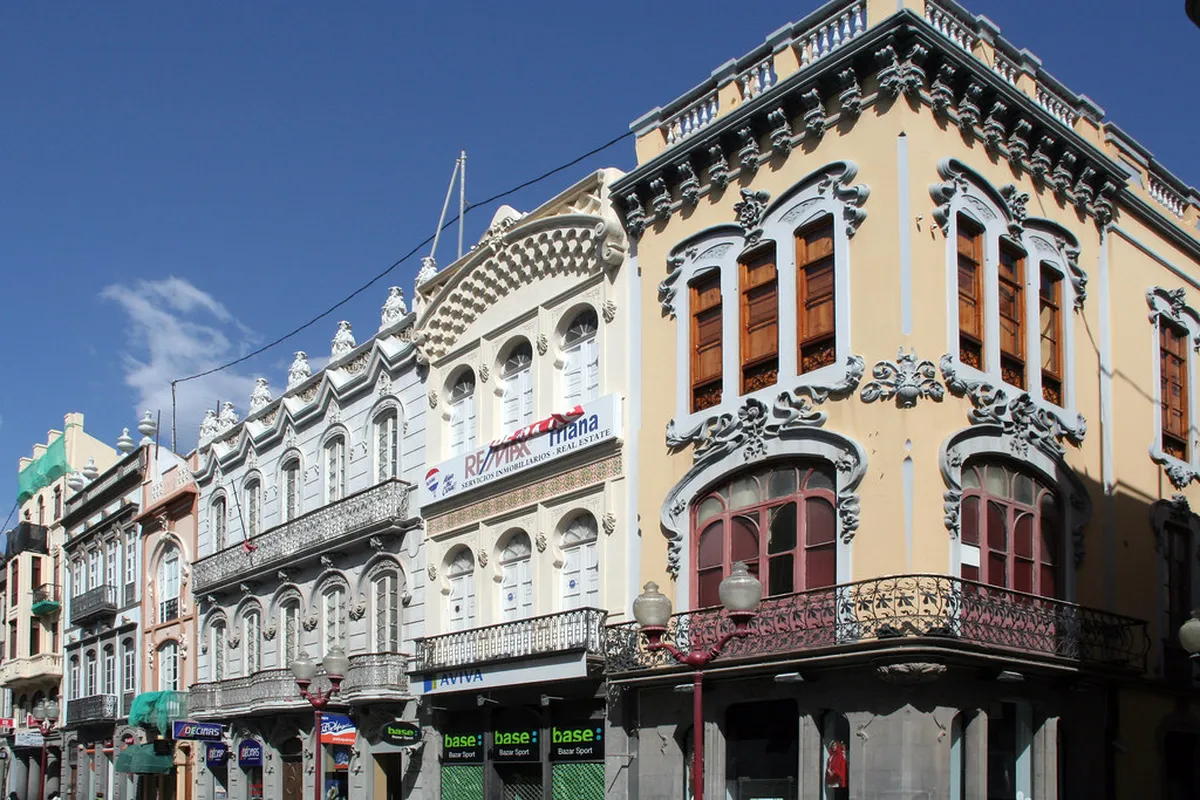
Table of Contents
An Architect's Guide to Las Palmas de Gran Canaria: Exploring the City's Diverse Styles
Vegueta: The Colonial Heart of Las Palmas
Step into Vegueta, and you are transported back in time to the 15th century, the era of the city's founding. This historic quarter, a UNESCO World Heritage Site candidate, is a captivating labyrinth of cobblestone streets, charming plazas, and buildings that proudly display the quintessential Canarian colonial architecture style. Characterized by whitewashed walls, colorful facades, traditional wooden balconies, and serene interior courtyards, Vegueta is an architectural treasure trove. Key examples include the Catedral de Santa Ana, an impressive structure that took centuries to complete, showcasing a blend of Gothic, Renaissance, and Neoclassical elements. Its grand twin bell towers dominate the Plaza de Santa Ana, flanked by other significant buildings like the Casas Consistoriales. Another must-visit is the Casa de Colón (Columbus House), a beautifully preserved mansion believed to be where Christopher Columbus stayed during his stopovers. This building exemplifies the finest aspects of Canarian colonial design, with its ornate doorways, expansive patios, and intricate wooden ceilings. As you wander through Vegueta, pay close attention to the traditional Canarian wooden balconies, often enclosed and intricately carved, which are a hallmark of this architectural style. The charming colorful facades of Vegueta add to its picturesque appeal, making it a dream for photographers and history enthusiasts alike.Triana: A Journey Through Modernism and Neoclassicism
Just a short stroll from Vegueta, the Triana district presents a striking contrast, reflecting the city's growth and evolving tastes from the 19th and early 20th centuries. Triana is renowned for its elegant pedestrianized main street, Calle Mayor de Triana, lined with splendid modernist and Art Nouveau buildings. Here, you'll discover facades adorned with elaborate ironwork, floral motifs, and geometric patterns, characteristic of the era. Notable structures include the Gabinete Literario, a magnificent building that began as a Neoclassical structure and was later embellished with Art Nouveau and eclectic elements, serving as a cultural hub. The Edificio Quegles is another prime example of Art Nouveau in Las Palmas, with its distinctive curvilinear forms and decorative details. Beyond these, Triana also showcases fine examples of Neoclassical architecture, particularly evident in some of its public buildings and more stately residences. The district's architecture speaks to a period of prosperity and cultural exchange, making a walking tour of Triana's modernist architecture an essential experience.Beyond the Historic Core: Diverse Styles and Contemporary Icons
Las Palmas de Gran Canaria's architectural richness extends far beyond its oldest districts. The city boasts a remarkable array of styles from different periods, showcasing its continuous evolution. The Ciudad Jardín (Garden City) district, for instance, offers a charming contrast with its early 20th-century English-inspired villas and lush gardens, a testament to a planned residential development. In the northern part of the city, overlooking Las Canteras Beach, stands the iconic Auditorio Alfredo Kraus. Designed by architect Óscar Tusquets Blanca, this striking building with its lighthouse-like tower is a masterpiece of contemporary architecture, serving as a cultural landmark and a symbol of the city's modern identity. Another significant site is the Pueblo Canario, located within Parque Doramas. Conceived by artist Néstor de la Torre and his brother Miguel Martín Fernández de la Torre, it's an architectural complex designed to showcase traditional Canarian village life, complete with an open-air plaza, craft shops, and a restaurant, all in a delightful neo-Canarian style that pays homage to local heritage. Even elements like the Castillo de la Luz, the oldest fort in the Canary Islands, have undergone modern renovations that blend historical preservation with contemporary design, highlighting the city's ongoing architectural dialogue.Uncovering Unique Canarian Architectural Elements
🌟 Local Expert Tip: Get the most out of your Madrid visit with guided tours!
Architectural Personalities and Preservation Efforts
⭐ Recommendation: Don't miss out on amazing Madrid tours - book now!
Exploring Las Palmas: Tours, Trails, and Photography
To truly appreciate the architectural richness of Las Palmas, consider engaging with it actively. Several options are available for exploration. You can embark on guided architecture tours that offer expert insights into the city's history and specific building styles. Alternatively, a self-guided architecture walk, perhaps using a printable architecture map or an interactive guide, allows for a more personalized pace, letting you linger at sites that capture your imagination. Don't miss the opportunity to discover hidden architectural gems tucked away in less-traveled streets. For photography enthusiasts, Las Palmas offers countless Instagrammable architectural spots, from the ornate details of Art Nouveau facades to the vibrant hues of Vegueta's houses and the dramatic lines of the Auditorio Alfredo Kraus. Capture the intricate details of a traditional patio courtyard or the grandeur of the Pérez Galdós Theater. Whether you're interested in the religious architecture of its churches or the imposing public buildings, Las Palmas provides a rich backdrop for architectural exploration.Frequently Asked Questions
What architectural style is prevalent in Vegueta, Las Palmas?
Vegueta is primarily known for its Canarian Colonial architecture, characterized by traditional wooden balconies, colorful facades, and central courtyards, reflecting influences from Spanish, Portuguese, and even North African styles. The Catedral de Santa Ana also blends Gothic, Renaissance, and Neoclassical elements due to its long construction period.
Where can I find modernist architecture in Las Palmas de Gran Canaria?
The Triana district is the best place to find modernist and Art Nouveau architecture in Las Palmas. Walk along Calle Mayor de Triana and its surrounding streets to see elegant buildings like the Gabinete Literario and Edificio Quegles, featuring ornate details and distinctive designs from the late 19th and early 20th centuries.
Who designed the Auditorio Alfredo Kraus?
The Auditorio Alfredo Kraus was designed by the acclaimed Spanish architect Óscar Tusquets Blanca. Completed in 1997, it stands as a prominent example of contemporary architecture, blending seamlessly with its coastal setting overlooking Las Canteras beach.
Are there any self-guided architectural tours available in Las Palmas?
Yes, many visitors enjoy self-guided architectural walks through Vegueta and Triana. You can find printable maps and online guides that highlight key buildings and points of interest, allowing you to explore at your own pace and discover both famous landmarks and hidden architectural gems.
What are traditional Canarian wooden balconies?
Traditional Canarian wooden balconies are a distinctive feature of colonial architecture, especially prevalent in Vegueta. These often enclosed, intricately carved balconies served both decorative and functional purposes, providing shade, ventilation, and a degree of privacy to homes in the warm island climate.
Key Takeaways
- Las Palmas de Gran Canaria boasts a rich architectural heritage, blending colonial, modernist, Neoclassical, and contemporary styles.
- Vegueta, the historic quarter, is a UNESCO World Heritage candidate showcasing Canarian Colonial architecture with traditional wooden balconies and vibrant facades.
- Triana district is famous for its elegant Modernist and Art Nouveau buildings, including the Gabinete Literario and Edificio Quegles.
- Iconic contemporary structures like the Auditorio Alfredo Kraus by Óscar Tusquets Blanca mark the city's modern architectural landscape.
- Unique Canarian elements such as traditional wooden balconies and private patio courtyards are integral to the city's architectural identity.
- The city's architecture has been influenced by key figures like Miguel Martín Fernández de la Torre and Néstor de la Torre.
- Various architectural tours, both guided and self-guided, are available to explore the city's diverse buildings and photographic spots.