
Las Palmas Building Preservation: Protecting Heritage
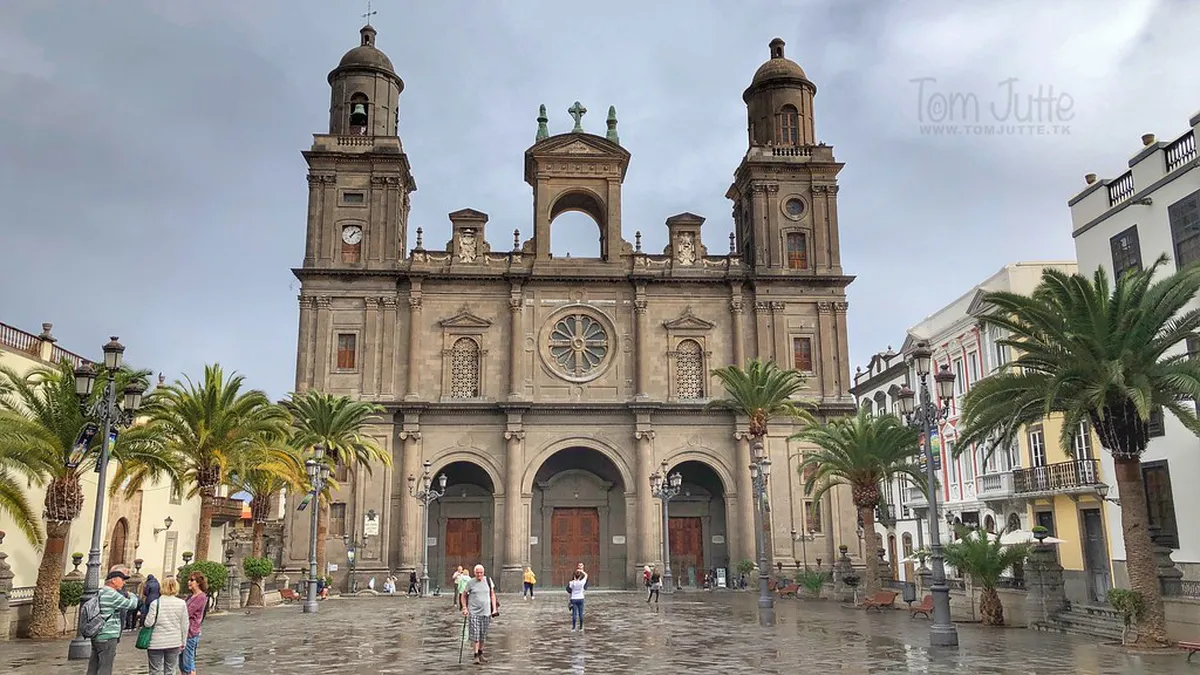
Table of Contents
Preserving Las Palmas: Architectural Heritage Efforts in 2025
Las Palmas de Gran Canaria boasts a rich architectural tapestry. Its buildings tell stories of centuries past. Protecting this heritage is vital for the city's identity. This guide explores Las Palmas building preservation efforts in 2025. You will discover how the city safeguards its unique structures.
From colonial masterpieces to modernist marvels, every building has value. Understanding preservation helps appreciate the city deeply. Let's delve into the challenges and triumphs of architectural care here. Explore the diverse architecture of Las Palmas for yourself.
Vegueta: The Heart of Historic Preservation
Vegueta, the city's historic quarter, stands as a UNESCO World Heritage site. Its narrow cobblestone streets lead to stunning colonial buildings. Here, Las Palmas building preservation is paramount. Strict regulations protect these ancient structures.
Walking through Vegueta feels like stepping back in time. You can admire the intricate Canarian colonial architecture style. Many buildings feature traditional wooden balconies and peaceful courtyards. These elements require ongoing maintenance and careful restoration.
Key landmarks receive special attention. The magnificent Catedral de Santa Ana underwent extensive restoration. Its imposing facade now shines brightly. The nearby Casa de Colón, a former governor's house, also shows dedicated preservation. Visiting these sites helps support their upkeep.
Local authorities work closely with property owners. They provide grants and technical assistance for restoration projects. This collaboration ensures historical accuracy. The vibrant colorful facades of Vegueta remain a testament to this commitment.
Challenges in Las Palmas Building Preservation
Preserving old buildings presents many obstacles. Weather conditions can cause significant damage over time. The salty air and strong sun contribute to deterioration. Regular inspections are crucial to catch issues early.
Funding remains a constant challenge for preservation efforts. Restoration projects are often very expensive. Attracting private investment is key to success. Balancing historical integrity with modern needs is also difficult.
Demographic changes affect historic areas like Vegueta. Some old buildings become vacant and fall into disrepair. Encouraging new residents and businesses helps revitalization. This includes creating vibrant public spaces.
Maintaining original materials is complex. Sourcing period-appropriate wood or stone can be costly. Modern construction techniques may not suit older structures. Experts must guide these sensitive restoration processes carefully. These challenges of historic preservation in Las Palmas are actively being addressed.
Modernist and Art Nouveau Preservation Focus
Las Palmas also treasures its early 20th-century architecture. The Triana district showcases many beautiful modernist and Art Nouveau buildings. These structures represent a different era of design. Their preservation is equally important.
The Gabinete Literario is a prime example of this style. Its ornate facade requires specific conservation techniques. Experts work to protect its unique decorative elements. This ensures its historical grandeur endures.
Other areas, like Ciudad Jardín, feature impressive structures. Many homes reflect English Garden City influences. These require sympathetic maintenance to retain their character. Efforts extend beyond just the oldest buildings.
Discovering modernist architecture in Las Palmas offers a unique perspective. These buildings blend functionality with artistic expression. Preservation aims to highlight their innovative designs. It also ensures their structural integrity for future generations.
Key Initiatives and Funding for Preservation in 2025
💡 Pro Tip: Book your Madrid adventures in advance through Viator for the best deals!
Various organizations drive Las Palmas building preservation. The city council actively promotes heritage protection programs. They offer incentives for owners to restore historic properties. These incentives make preservation more accessible.
European Union funds also support significant projects. These funds are vital for large-scale restorations. Private foundations and cultural associations contribute greatly. Their dedication helps raise awareness and secure resources.
In 2025, new initiatives focus on public engagement. Educational campaigns inform citizens about their architectural legacy. Workshops teach traditional restoration skills. This builds a community invested in preservation.
One notable project involves digital archiving. 3D scanning and virtual tours preserve detailed records. This technology aids future restoration work. It also allows global access to the city's unique architectural beauty. Learn more about efforts to preserve Vegueta's historic buildings online.
Experiencing Preserved Heritage: Visitor Tips
Visitors can easily engage with Las Palmas' preserved heritage. Start with a self-guided architecture walk through Vegueta. Many buildings are open to the public during the day. Check opening hours before your visit to maximize your time.
Consider joining a guided tour for deeper insights. Local experts provide fascinating historical context. These tours often highlight hidden architectural gems. They share stories you might otherwise miss.
Support local businesses within historic districts. Your patronage helps maintain the vibrancy of these areas. Many cafes and shops occupy beautifully restored buildings. Enjoying a coffee supports the local economy and preservation efforts.
When taking photos, respect private property. Always ask permission if unsure about access. Remember that many historic buildings are still homes. Capture the beauty respectfully while you explore the city.
Frequently Asked Questions
What is the primary focus of Las Palmas building preservation?
The primary focus is safeguarding the city's diverse architectural heritage. This includes colonial, modernist, and Art Nouveau styles. Special attention goes to Vegueta, the historic quarter. Protecting these structures maintains the city's unique cultural identity.
Are there specific districts known for preservation efforts in Las Palmas?
Yes, Vegueta is the most prominent district for historic preservation. Its colonial buildings are carefully protected. The Triana district also sees significant efforts. Here, modernist buildings are a key focus. Both areas showcase the city's commitment to its past.
How can tourists contribute to architectural preservation in Las Palmas?
Tourists can contribute by respecting historic sites. Support local businesses in preserved areas. Consider taking architectural tours to learn more. Your appreciation and conscious actions help sustain these valuable efforts.
What challenges does Las Palmas face in preserving old buildings?
Challenges include environmental factors like salty air damage. Funding for expensive restorations is also a constant concern. Balancing new development with historical integrity is difficult. The city actively addresses these complex issues.
Las Palmas building preservation is a continuous journey. It involves dedicated effort from many stakeholders. The city's architectural heritage remains a vibrant part of its identity. Protecting these structures ensures their stories endure.
Plan your visit to experience this rich history firsthand. Explore Vegueta's colonial charm and Triana's modernist elegance. Support the ongoing conservation work. Discover more about architectural tourism in Spain.
Key Takeaways
- Vegueta is central to Las Palmas' colonial building preservation.
- Modernist and Art Nouveau structures also receive vital conservation efforts.
- Funding and environmental challenges are key hurdles for preservation.
- Visitors can support efforts by exploring respectfully and taking tours.