
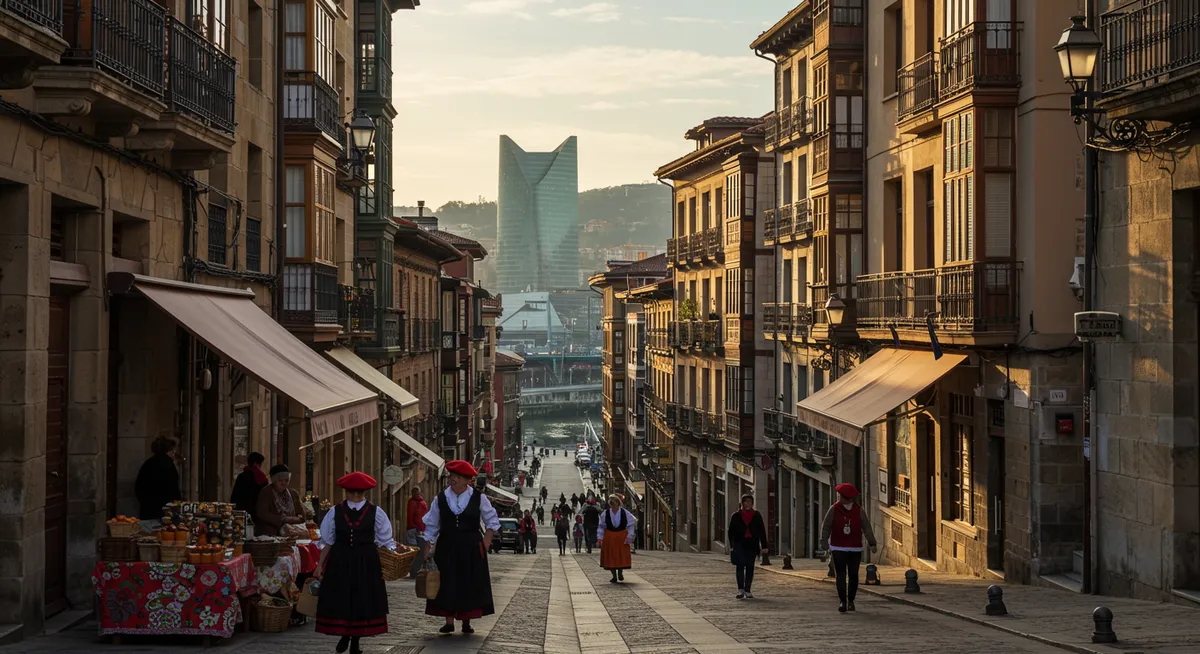
Bilbao Traditions: Top Cultural Customs
Table of Contents
Want to find the best nightlife deals for this destination? Chat with our nightlife specialist!
Get Nightlife TipsCategory: bilbao-traditions
Unveiling Bilbao Traditions: A Cultural Journey
Bilbao, a city renowned for its modern architecture and vibrant arts scene, also cherishes a rich tapestry of traditions. This listicle explores some of the most captivating Bilbao traditions, offering a glimpse into the city’s cultural heartbeat and unique customs, from culinary rituals to lively festivals, painting a vivid picture of Bilbao’s enduring heritage.
Pintxos Culture: A Culinary Tradition
Pintxos are more than just food; they’re a social experience deeply embedded in the culture of Bilbao. Similar to tapas, pintxos are small snacks, typically eaten in bars or taverns, and are a cornerstone of Basque culinary identity. The word “pintxo” comes from the Spanish word “pinchar,” meaning “to pierce,” reflecting how these snacks are often skewered to a piece of bread. Visiting several bars, each offering its own specialty, is a quintessential Bilbao experience. Similarly, take a look at some of Bilbao’s historic districts to enjoy some traditional pintxos.
In Bilbao, the act of going for pintxos, known as “txikiteo,” involves hopping from one bar to another with friends, enjoying a small bite and a drink at each stop. Each bar typically showcases its own unique array of pintxos on the counter, from simple combinations like ham and cheese to more elaborate creations featuring seafood, meats, and vegetables. Txikiteo is a central part of Bilbao‘s social scene, providing an opportunity for locals and tourists alike to mingle and enjoy the city’s vibrant atmosphere.
Expert Tip: Don’t be shy! Engage with the bartenders, ask for recommendations, and savor each bite as you immerse yourself in Bilbao‘s culinary traditions.
Additionally, the presentation of pintxos is an art form in itself. Bars compete to create visually appealing and innovative snacks, turning the simple act of eating into a feast for the eyes as well as the palate. As a result, exploring pintxos is an unmissable culinary journey that truly captures the essence of Bilbao’s gastronomic culture. Discover more about Bilbao’s rich traditions and start planning your culinary adventure today!
Aste Nagusia: Bilbao’s Grand Festival
Aste Nagusia, or Semana Grande, is Bilbao’s grand festival, an exuberant celebration that transforms the city into a vibrant hub of Basque culture and festivities. Held annually in August, this nine-day extravaganza attracts visitors from all over the world, eager to immerse themselves in the unique atmosphere. The festival commences with the symbolic firing of a rocket, known as the ‘txupinazo,’ officially signaling the start of the celebrations.
During Aste Nagusia, the streets of Bilbao come alive with music, dance, and theatrical performances. One can discover traditional Basque music and dance at every corner. Giant figures, known as ‘Gargantua,’ parade through the streets, captivating the audience with their grandeur. Moreover, nightly fireworks displays illuminate the sky, adding a magical touch to the celebrations. For an insight into Bilbao’s other cultural offerings, explore the city’s diverse festival scene.
Expert Tip: To fully embrace the festival spirit, participate in the traditional ‘kalejira’ processions and sample local delicacies at the numerous food stalls.
Aste Nagusia is not just a festival; it’s a profound expression of Basque identity and community spirit. It encapsulates Bilbao’s rich heritage and its people’s zest for life, making it an unforgettable experience for everyone involved. To experience more of Bilbao’s charm, consider visiting the city’s historic districts, a cornerstone of Bilbao Traditions.
Basque Rural Sports: Strength and Skill
Basque rural sports, known as Herri Kirolak, are a testament to the region’s agricultural roots and the incredible strength and skill of its people. These traditional contests, deeply embedded in Bilbao traditions, showcase a variety of disciplines derived from everyday rural tasks. From wood chopping (aizkolaritza) to stone lifting (harrijasotzea), these sports provide a captivating glimpse into Basque heritage.
One of the most popular events is soka-tira, or tug-of-war, where teams demonstrate their collective strength. Another remarkable sport is idi probak, ox dragging, where pairs of oxen pull heavy stones across a designated course. Additionally, trontzalaritza features competitors sawing through logs with incredible speed. These events often take place during local festivals, drawing large crowds eager to witness these displays of athleticism and tradition.
Travel Tip: Check local event listings for festivals and fairs to experience Basque rural sports firsthand. It’s an authentic and thrilling way to connect with Bilbao’s cultural identity.
Moreover, these sports are more than just physical contests; they are a celebration of Basque identity and community. The skills and techniques have been passed down through generations, reinforcing the connection to the land and the values of hard work and perseverance. To delve further into Bilbao’s vibrant cultural scene, explore our guide to Bilbao’s cultural festivals. Experience the raw power and cultural richness of Basque rural sports, an unforgettable aspect of Bilbao traditions.
Bertsolaritza: The Art of Improvised Verse
⭐ Recommendation: Don't miss out on amazing Bilbao tours - book now!
Bertsolaritza is a unique and cherished aspect of Basque culture, representing the art of improvised verse. This oral tradition involves poets, known as bertsolaris, who spontaneously create and perform songs or poems on a given topic. The performances, which often take place in public squares, cultural events, and festivals, showcase not only the poet’s linguistic skills but also their wit, creativity, and ability to connect with the audience.
The art form requires a deep understanding of the Basque language (Euskara), as well as a sharp intellect to craft verses that are both meaningful and entertaining. Moreover, bertsolaris must be adept at rhyming, rhythm, and wordplay. They often engage in poetic duels, challenging each other with quick-witted responses and clever metaphors. As a result, these performances are a testament to the vibrancy and resilience of Basque cultural identity. Indeed, Bertsolaritza is a powerful medium for expressing opinions, preserving history, and fostering community spirit.
Given its cultural significance, the tradition of bertsolaritza has been passed down through generations. Today, workshops and schools dedicated to teaching and preserving this art form are flourishing. The Basque government and cultural organizations actively support bertsolaritza, recognizing its importance in maintaining the Basque language and cultural heritage. Explore more about Bilbao’s rich cultural scene, including its festivals, and immerse yourself in the traditions of this unique region.
Olentzero: The Basque Christmas Tradition
Olentzero is a beloved figure in Basque Christmas traditions, embodying the spirit of the holiday season. He is depicted as a charcoal burner who comes down from the mountains to announce the birth of Christ. In Bilbao, as well as throughout the Basque Country, Olentzero parades are held annually on December 24th. These festive events feature colorful floats, traditional music, and dancing, creating a vibrant atmosphere for families and communities. Moreover, Olentzero symbolizes the transition from the old year to the new, bringing gifts and joy to children.
As part of the celebration, children often leave shoes out for Olentzero to fill with presents. Additionally, it is a time for families to gather and enjoy traditional Basque food and drink. For instance, many households prepare special meals and sing traditional Christmas carols. Also, Olentzero’s character is deeply rooted in Basque folklore, representing the cultural heritage and identity of the region. People celebrate Bilbao’s cultural festivals.
Expert Insight: Olentzero represents not only the joy of Christmas but also the enduring strength of Basque cultural identity and traditions.
Furthermore, the tradition reinforces community bonds and provides a sense of continuity with past generations. Explore more about Bilbao’s rich traditions and cultural events and discover the many facets of Basque heritage. In conclusion, experiencing Olentzero is a wonderful way to immerse yourself in the authentic spirit of the Basque Christmas tradition.
The Significance of the Basque Language (Euskara)
The Basque language, known as Euskara, stands as a linguistic enigma, unrelated to any other known living language in Europe. It is a cornerstone of Basque identity and culture, deeply interwoven with the traditions and history of Bilbao and the surrounding Basque Country. Therefore, understanding its importance is crucial for appreciating the depth of Basque culture.
Despite facing challenges from dominant languages like Spanish and French, Euskara has shown remarkable resilience. Efforts to preserve and promote the language have gained momentum, with increased support for Basque language education and cultural initiatives. As a result, numerous schools and cultural centers throughout Bilbao actively teach and celebrate Euskara, ensuring its survival for future generations. This dedication reflects the Basque people’s commitment to their unique heritage.
Tip: Attempting a few basic phrases in Euskara, such as “Kaixo” (Hello) or “Eskerrik asko” (Thank you), can greatly enhance your interactions with locals and demonstrate your respect for their culture.
The language is also experiencing a revival in popular culture, with Basque music, literature, and cinema gaining wider recognition. To further explore Bilbao’s cultural scene, including its unique linguistic heritage, delve into the vibrant Bilbao cultural festivals, many of which showcase Euskara. Embrace the opportunity to learn about this ancient language and immerse yourself in the rich cultural tapestry of the Basque Country.
Traditional Basque Music and Dance
Basque music and dance are integral to the cultural identity of Bilbao and the Basque Country. Rooted in ancient traditions, these art forms reflect the region’s history, values, and spirit. Basque music often features unique instruments such as the txistu (a type of pipe), the trikitixa (Basque diatonic accordion), and the alboka (a double clarinet). Moreover, traditional songs, passed down through generations, narrate stories of Basque life, legends, and historical events.
Basque dances are equally vibrant and diverse. The aurresku, a ceremonial dance, is frequently performed at official events and celebrations, showcasing grace and elegance. Meanwhile, the ezpata-dantza (sword dance) is a dynamic display of skill and strength. Not only do these dances entertain, but they also serve as a powerful expression of Basque pride and unity.
Travel Tip: Look for local festivals or cultural events during your visit to Bilbao to witness authentic Basque music and dance performances.
Many cultural associations and dance groups work tirelessly to preserve and promote these traditions. Consequently, both locals and visitors can experience the richness of Basque heritage. Enjoying traditional Basque music and dance provides a deeper understanding of the region’s unique cultural tapestry. For more insights into Bilbao’s cultural scene, explore the city’s cultural festivals. Let the rhythm and movement of Bilbao’s traditions enrich your travel experience.
Bilbao’s traditions offer a unique glimpse into the city’s soul, bridging the past and present. Embrace these customs to truly experience the authentic Bilbao. Ready to delve deeper into Basque culture? Explore our complete guide to Bilbao’s cultural heritage here!
Frequently Asked Questions
A: One of the most deeply rooted traditions is related to food, namely pintxos. Often enjoyed with friends, wandering from bar to bar, trying various pintxos is a social ritual.
A: The Aste Nagusia, or Semana Grande, is Bilbao’s biggest festival, celebrated with concerts, street performances, fireworks, and traditional Basque activities. It’s a week-long party that embodies the spirit of the city.
A: Basque rural sports, such as stone lifting (harrijasotzea) and wood chopping (aizkolaritza), are a vital part of Bilbao’s traditional culture and are often showcased during festivals and celebrations.