
A Journey Through Time: An Ibiza Town Architecture Guide
December 10, 2025
By Editor
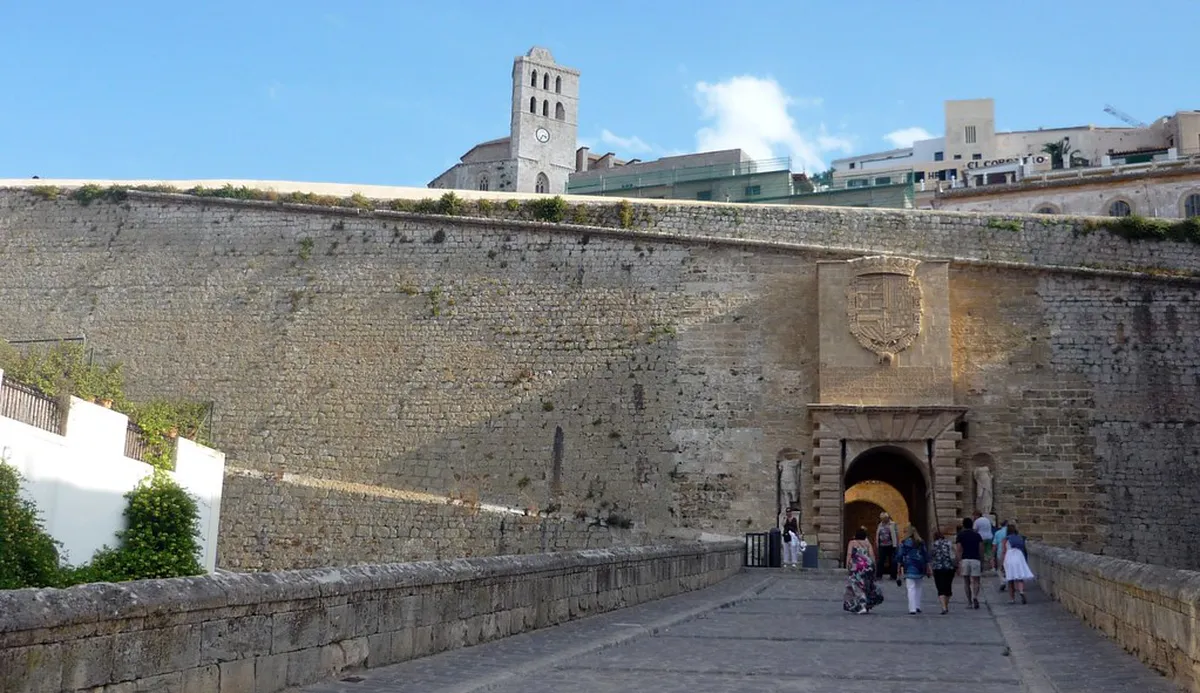
Table of Contents
The Enduring Legacy: A Comprehensive Guide to Ibiza Town's Architecture
Dalt Vila: The Crown Jewel of Ibiza Town Architecture
Perched majestically atop a hill, the fortified old town of Dalt Vila is undoubtedly the architectural heart of Ibiza Town. Designated a UNESCO World Heritage site, its imposing walls and intricate street plan tell a story spanning millennia. The architectural history of Dalt Vila is a tapestry woven with Phoenician, Roman, Moorish, and Catalan threads. The most prominent feature, the Renaissance walls, were constructed in the 16th century to defend against Ottoman invasions, representing a pinnacle of military engineering of their time. These formidable fortifications enclose a labyrinth of cobblestone streets, hidden courtyards, and historic buildings, making an architectural walking tour of Dalt Vila an absolute must. Pay close attention to the intricate architectural details in Dalt Vila, from the grand portals to the ancient stone structures, which reflect centuries of development. Understanding the defensive architecture of Ibiza is key to appreciating the strategic importance and engineering prowess that went into creating this magnificent stronghold. Given its protected status, strict UNESCO Heritage Site rules govern any alterations, preserving its unique character for future generations.Ancient Roots: Punic and Roman Influences
Before the grand walls of Dalt Vila, Ibiza Town's story began with the Phoenicians and Carthaginians. Traces of this distant past are still evident, revealing the earliest layers of the island's urban fabric. The Punic architecture in Ibiza, though largely archaeological today, laid the groundwork for future settlements. One of the most significant sites for exploring these origins is the Puig des Molins Necropolis, a vast burial ground that offers a rare glimpse into Carthaginian burial practices and city planning. Here, you can truly find Punic ruins in Ibiza, with thousands of hypogea (underground tombs) carved into the rock. The subsequent Roman presence, though less visibly dominant than other periods in the town center itself, further integrated Ibiza into the Mediterranean trade networks, influencing early infrastructure and settlement patterns that contributed to the island's enduring strategic importance.Moorish Legacy: Adapting to the Mediterranean Climate
The Moorish occupation, from the 8th to the 13th centuries, left a subtle yet profound imprint on Ibiza's architecture, particularly in its adaptive and climate-responsive design principles. While grand palaces might not overtly dominate the landscape, the Moorish influence on Ibiza's architecture is discernable in the urban planning, the use of courtyards, and the materials chosen for construction. Exploring the narrow, winding streets of Dalt Vila and Sa Penya, you can find Moorish architectural remnants in Ibiza, such as certain wall structures, water systems, and the general layout designed for shade and ventilation. This period was crucial in understanding how Moorish design shaped Ibizan homes, promoting features like thick walls, small windows, and internal patios to create cool, private living spaces, a sensibility that continues to echo in traditional Ibizan architecture today. Their engineering prowess also contributed to the island's agricultural infrastructure, which subtly influenced rural building practices.Gothic and Catalan Gothic: Spiritual and Urban Development
🎯 Insider Tip: Discover the best Ibiza experiences with Viator Tours!
The Iconic Whitewashed Houses & Traditional Fincas
Perhaps the most enduring image of Ibizan architecture is its ubiquitous whitewashed buildings. The whitewashed houses of Ibiza are not merely aesthetic; they are a brilliant example of climate-responsive design. There are practical reasons why houses in Ibiza are painted white: the lime wash reflects sunlight, helping to keep interiors cool during scorching summers, and also serves as a natural disinfectant. This functional aspect is central to the function of whitewashed Ibizan architecture. Beyond the town, the rural landscape is dotted with traditional Ibizan fincas. These iconic farmhouses, often appearing as stark, cubist forms, are characterized by their thick stone walls, small windows, and flat roofs. Understanding what defines a traditional Ibizan finca involves recognizing these core elements and appreciating how to identify authentic Ibizan fincas, often by their modest, organic extensions built over generations. Interestingly, the geometric, box-like shapes of these fincas have been noted for their unintentional resemblance to cubist form in fincas, with some even analyzing the geometric shapes of fincas through an artistic lens. These designs are intrinsically linked to climate influence on architecture, showcasing ingenious architectural features for staying cool. Comparing Ibiza Town and rural finca architecture highlights the distinct adaptations for urban versus agricultural life, though the core principles of simplicity and climate-consciousness remain.Beyond Dalt Vila: Sa Penya and La Marina Quarters
Stepping outside the walls of Dalt Vila, two distinct neighborhoods offer further architectural exploration: Sa Penya and La Marina. Sa Penya, historically the fisherman's quarter, clings to the hillside below Dalt Vila with its narrow, winding alleys and stacked houses. The Sa Penya district buildings are characterized by their humble origins, often with small balconies and vibrant, peeling paint. The architectural style of Sa Penya fisherman's quarter reflects a more organic, vernacular approach to building, adapting to the challenging topography. A walking tour of Sa Penya's architecture reveals a captivating blend of residential and commercial spaces. Adjacent lies La Marina, the historic port district, buzzing with life. The La Marina quarter architecture is often grander, with multi-story buildings that once housed merchants and sailors, featuring more ornate facades and wrought-iron balconies. An architectural guide to the La Marina district would highlight its transformation from a bustling maritime hub to a vibrant commercial area. Here, you'll find a mix of historic buildings in Ibiza's port area, many meticulously preserved. The history of Plaza de Vila, located at the entrance to Dalt Vila, also shows a fascinating architectural evolution reflecting the city's dynamic past.Modernist and Contemporary Visions
While deeply rooted in history, Ibiza Town has also embraced modern architectural movements, particularly in the 20th and 21st centuries. The Modernist architecture in Ibiza Town often takes inspiration from the island's traditional forms, reinterpreting them with clean lines and functional designs. One of the most significant figures in this movement was Josep Lluís Sert, a renowned Catalan architect whose projects in Ibiza championed a rational, vernacular-inspired modernism. Sert's influence on modern Ibiza architecture can still be seen in the adaptation of local materials and climate-sensitive design. Today, you can find best examples of modernism in Ibiza scattered across the island, blending seamlessly with the natural landscape. Beyond modernism, contemporary architecture continues to evolve, with new public buildings and private residences showcasing innovative designs. A guide to contemporary villas in Ibiza Town reveals how architects are now incorporating advanced technology and luxurious amenities while respecting the island's heritage. The focus on sustainable architecture in Ibiza is also growing, with modern eco-friendly building trends integrating renewable energy and local materials, ensuring that the island's future development is harmonious with its environment.Key Architectural Elements and Materials
The distinctiveness of Ibiza Town's architecture is not just in its overall styles but also in its specific elements and materials. A deeper look at an Ibiza building materials guide reveals a preference for local resources. Traditional construction often utilized local stone, clay for tiles, and especially Sabina wood, prized for its durability and resistance to decay, particularly in ceilings and structural beams. Balconies play a significant role in urban dwellings, offering outdoor living space and shading below. You'll observe different styles of balconies in Ibiza Town, from simple wooden structures to ornate wrought-iron railings. Exploring Dalt Vila, a guide to historic doorways in Dalt Vila highlights their robustness and often decorative elements, reflecting the wealth or status of their original inhabitants. Don't miss the opportunity for finding unique ironwork on Ibiza balconies, a testament to local craftsmanship. Furthermore, architectural symbolism in Ibiza, such as the cross designs often found above doorways or the specific proportions of windows, often carries deeper cultural or protective meanings, giving insight into the meaning behind Ibizan architectural motifs.Preservation and Urban Planning
The preservation of Ibiza Town's unique architectural heritage is a critical endeavor, especially within the UNESCO-protected Dalt Vila. Understanding how Ibiza preserves its historic buildings involves navigating a complex set of regulations. Ibiza Town's urban planning has evolved dramatically over centuries, with the history of Ibiza Town's urban development reflecting various periods of expansion and defense. Studying how Ibiza Town's layout evolved reveals how different cultures adapted the landscape for both practical and strategic reasons. Today, strict Ibiza Town building regulations are in place, particularly concerning historic properties. For those undertaking renovation, it's crucial to understand the rules for renovating historic Ibiza properties, which often dictate materials, colors, and even architectural styles to maintain the integrity of the original structures. This commitment to preservation ensures that the town's architectural character, from its ancient foundations to its more recent additions, remains intact for future generations to appreciate and explore.Frequently Asked Questions
What is Dalt Vila and why is it architecturally significant?
Dalt Vila is the fortified old town of Ibiza Town, a UNESCO World Heritage site. It's architecturally significant due to its layered history, showcasing Phoenician, Roman, Moorish, and particularly Renaissance military architecture through its formidable walls and intricate urban planning, designed for defense and commerce over centuries.
What are traditional Ibizan fincas?
Traditional Ibizan fincas are the island's iconic rural farmhouses, characterized by their cubist forms, thick whitewashed walls, small windows, and flat roofs. They are a brilliant example of vernacular architecture, designed to be functional, climate-responsive, and expandable over generations, often using local materials like stone and Sabina wood.
Why are the houses in Ibiza Town typically whitewashed?
The whitewashing of houses in Ibiza Town is primarily a practical, climate-driven tradition. The white lime wash reflects the intense Mediterranean sunlight, helping to keep interiors cool during the hot summers. It also acts as a natural disinfectant and brightens the often narrow, shaded streets.
Are there guided architectural tours available in Ibiza Town?
Yes, there are often guided architectural tours available in Ibiza Town, especially focusing on Dalt Vila. These tours provide in-depth insights into the history, styles, and specific features of the buildings. Many visitors also enjoy self-guided architectural walking tours through the old town and its surrounding quarters.
How has the climate influenced Ibiza's architecture?
Ibiza's Mediterranean climate has profoundly influenced its architecture. Designs prioritize thermal comfort, with features like thick walls for insulation, small windows to minimize heat gain, flat roofs for water collection and outdoor living, and the widespread use of whitewash to reflect sun. Traditional architecture is inherently passive and sustainable, adapting perfectly to the local environment.
Key Takeaways
- Ibiza Town's architecture is a diverse blend of Phoenician, Roman, Moorish, Gothic, Renaissance, and Modernist influences.
- Dalt Vila, a UNESCO World Heritage site, is the fortified historic core, showcasing impressive Renaissance walls and a labyrinthine street plan.
- Traditional Ibizan fincas and urban houses are predominantly whitewashed, a practical design choice for climate control and hygiene.
- Moorish design contributed significantly to climate-responsive building techniques, emphasizing courtyards and thick walls.
- The city's urban planning and building materials reflect centuries of adaptation to local resources and environmental conditions.
- Modernist architects like Josep Lluís Sert also left their mark, blending contemporary design with traditional Ibizan sensibilities.