
How Ibiza Town's Layout Evolved Over Time
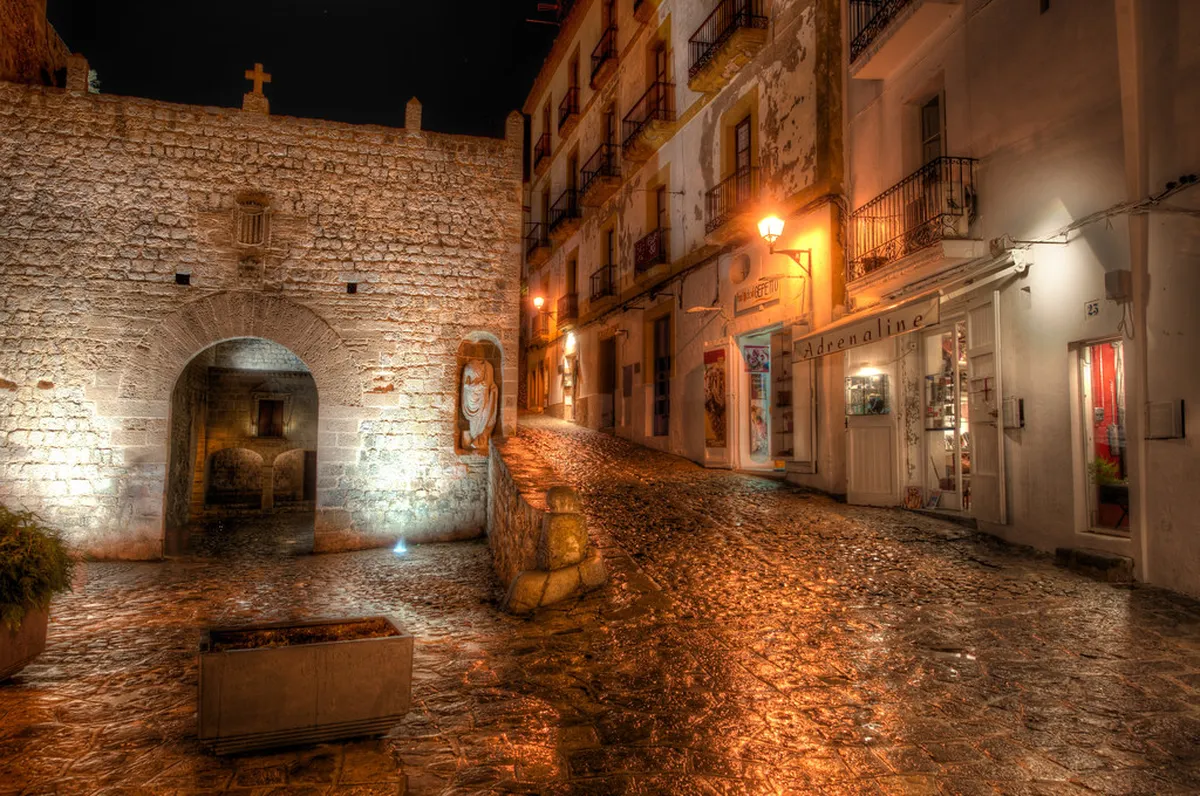
Table of Contents
Ibiza Town's Urban Evolution: A Timeless Layout Story
Ibiza Town, known locally as Eivissa, boasts a rich and complex history. Its captivating urban layout tells a story across centuries. Understanding how Ibiza Town's layout evolved over time reveals much about its resilient spirit. This unique blend of cultures shaped its distinct character.
From ancient Punic settlements to bustling modern quarters, the city's structure adapted. Each historical period left an indelible mark on its streets and buildings. Join us to explore this fascinating history of Ibiza Town's urban development. Prepare to see the city through a new lens in 2025.
Punic and Roman Foundations: Early Urban Layout
The story of Ibiza Town's layout begins on Puig de Vila hill. This strategic location provided natural defense. The Phoenicians established a trading post here around 654 BC. This early settlement formed the core of what is now Dalt Vila.
Punic architecture focused on practicality and defense. Narrow, winding streets created a labyrinthine pattern. This design maximized shade and offered protection. You can still see remnants of this Punic architectural style today. They laid the initial groundwork for the city's future growth.
The Romans later expanded the port area. They built new structures and improved infrastructure. However, the core defensive layout of the hilltop remained largely intact. Their additions helped define the city's foundational shape. This early planning influenced centuries of development.
Moorish Modifications and Organic Urban Growth
The Moorish period, lasting over 400 years, further shaped Ibiza Town's layout. They inherited the Punic and Roman foundations. Moorish inhabitants adapted the existing urban fabric organically. Their influence is clear in the city's winding alleys.
Streets became even narrower and more irregular. This design created private, shaded spaces. Homes often featured internal courtyards, reflecting Moorish architectural influences. This organic growth pattern fostered a sense of community.
The Moorish era also brought advanced water management techniques. They improved irrigation systems, essential for a dry island. These systems subtly influenced street patterns and land use. This period contributed significantly to the town's unique character.
Renaissance Fortifications and Dalt Vila's Enduring Plan
Following the Christian conquest, Ibiza Town faced new threats. In the 16th century, massive Renaissance walls were constructed. These walls encircled the ancient hilltop settlement, known as Dalt Vila. They were designed to withstand cannon fire.
The construction of these imposing Renaissance walls profoundly influenced the city's layout. They contained the urban core for centuries. Expansion outside these walls was limited for a long time. This reinforced the dense, vertical nature of Dalt Vila.
Within the walls, the medieval street plan largely persisted. New buildings were often constructed within existing plots. This maintained the historical density and intimate feel. Dalt Vila’s architectural history showcases this preservation. It highlights a remarkable continuity of urban form.
Beyond the Walls: La Marina's Emergence
🌟 Local Expert Tip: Get the most out of your Ibiza visit with guided tours!
As the island's population grew, expansion outside Dalt Vila became inevitable. The port area, known as La Marina, began to develop significantly. This occurred mainly from the 18th century onwards. The new quarter grew around the thriving maritime trade.
La Marina's layout is distinct from Dalt Vila's. It features more rectilinear streets and larger squares. These wider thoroughfares facilitated commerce and transport. The district developed in a more planned, yet still organic, fashion.
The architecture in La Marina reflects its mercantile purpose. Buildings often have multiple stories and prominent balconies. This area became the bustling heart of everyday life. Exploring La Marina quarter architecture reveals this functional elegance. It dramatically transformed Ibiza Town's footprint.
Modern Developments and Tourism's Influence
The 20th century brought significant changes to Ibiza Town's layout. Urban planning began to address the needs of a growing population. New neighborhoods emerged outside the historic core. These areas often followed more structured grid patterns.
The mid-20th century marked the rise of tourism. This industry fundamentally reshaped the city's development. Hotels, resorts, and modern amenities were built. This led to rapid expansion along the coast and inland.
Modernist architecture also made its mark. While respecting traditional elements, new designs appeared. These developments created a distinct contrast. They stand apart from the ancient parts of the city. Understand more about modernist architecture in Ibiza Town. This expansion continues to influence the urban planning in 2025.
Ibiza Town's Contemporary Urban Landscape
Today, Ibiza Town presents a fascinating urban tapestry. It blends ancient walls, medieval alleys, and modern infrastructure. Dalt Vila, a UNESCO World Heritage site, is meticulously preserved. Its original layout remains largely intact.
Urban planners in 2025 face a dual challenge. They must accommodate growth while safeguarding heritage. Sustainable development is a key focus. This involves balancing tourist needs with local quality of life.
The city's layout continues to adapt. It welcomes new amenities and public spaces. Yet, it never loses sight of its storied past. This careful approach ensures its unique character endures. Discover more about Ibiza Town urban planning efforts.
Frequently Asked Questions
⭐ Recommendation: Don't miss out on amazing Ibiza tours - book now!
What defines Dalt Vila's unique urban layout?
Dalt Vila's layout is characterized by its high defensive walls. Inside, you find narrow, winding cobblestone streets. These paths often lead to hidden squares and viewpoints. This design originates from Punic and Moorish eras. It was reinforced by Renaissance fortifications.
The layout provided natural defense and shade. Buildings are closely packed, creating a dense urban fabric. This historical preservation makes Dalt Vila unique. Explore its distinctive historical quarter for yourself.
How did the port influence Ibiza Town's expansion?
The port was crucial for Ibiza Town's layout and growth. It served as the economic lifeline of the island. Over centuries, trade activities spurred expansion. The La Marina district grew around the harbor.
This area developed with wider, more organized streets. They facilitated movement of goods and people. The port's development provided a stark contrast. It broke from Dalt Vila's enclosed, defensive plan. This natural expansion created a vibrant waterfront. It remains an active commercial hub.
What are the main periods of Ibiza Town's urban development?
Ibiza Town's urban development spans several key periods. It began with the Punic and Roman settlements. These laid the initial defensive and economic foundations. The Moorish era saw organic growth within these early structures.
The Renaissance brought massive fortifications, enclosing Dalt Vila. Later, the La Marina district expanded outside the walls. The 20th century marked modern development and tourism's impact. Each period added layers to how Ibiza Town's layout evolved over time. This creates its rich, layered urban story.
Ibiza Town offers a compelling study in urban evolution. Its layout reflects a journey through millennia of history. From Punic origins to modern urban planning, each era shaped its unique identity. The city masterfully preserves its past while embracing the future.
Witnessing how Ibiza Town's layout evolved over time is a remarkable experience. We encourage you to explore its historic streets firsthand. Plan your architectural walking tour for 2025. Immerse yourself in this living historical tapestry.
Key Takeaways
⭐ Recommendation: Don't miss out on amazing Ibiza tours - book now!
- Ibiza Town's layout evolved from Punic defenses to modern areas.
- Dalt Vila's walls preserved its medieval, winding street plan for centuries.
- The port district, La Marina, developed with wider streets for commerce.