
Dalt Vila Architectural History: Ibiza Town's Ancient Walls
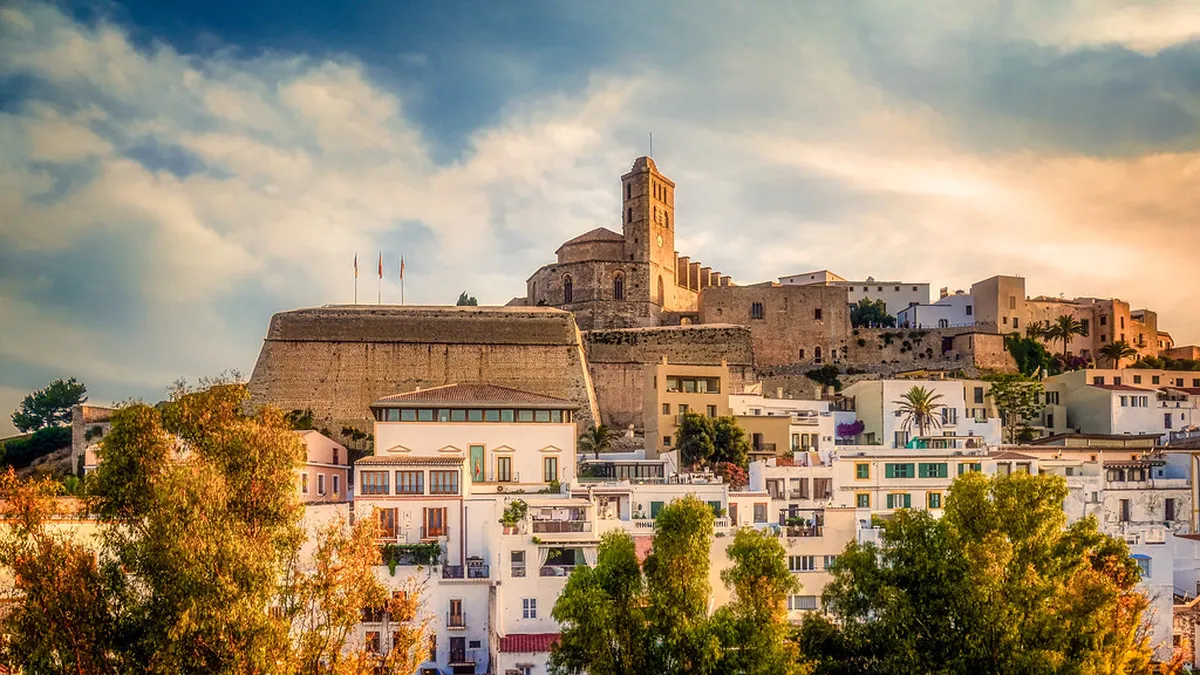
Table of Contents
Unraveling Dalt Vila's Architectural History in Ibiza Town
Step back in time within Dalt Vila, Ibiza Town's ancient walled city. This UNESCO World Heritage site offers a journey through millennia. Its unique Ibiza Town architecture tells stories of many civilizations. Exploring its streets reveals layers of fascinating history. Prepare to uncover the diverse Dalt Vila architectural history.
This guide will explore the major influences. We cover everything from Punic origins to grand Renaissance fortifications. You will learn about the significant design elements. Discover how each era shaped this iconic citadel for your 2025 visit.
Ancient Foundations: Punic and Roman Echoes
Dalt Vila's story begins with early settlers. The Phoenicians established a trading post here around 654 BC. They chose the strategic hilltop for defense. Remains of their presence still exist today.
The Punic era saw significant development. Defensive structures and houses were built. Visitors can still see fragments of Punic architecture in Ibiza. These early buildings formed the city's initial layout.
Later, the Romans conquered the island. They further fortified the settlement. Roman roads and administrative buildings appeared. Their lasting influence is a key part of Dalt Vila architectural history.
Evidence of these ancient civilizations is subtle. Look for archaeological sites and museum exhibits. They offer insights into the foundational layers. This deep history makes Dalt Vila truly special.
Moorish Legacy and Medieval Evolution
The Moors arrived in Ibiza in the 8th century. They ruled the island for over 400 years. Their influence greatly shaped Dalt Vila's urban fabric. Moorish architectural styles are still visible.
They improved the existing fortifications significantly. The Moors also created a complex urban plan. Many narrow, winding streets date from this period. This design offered both defense and shade.
You can see traces of Moorish influence in Ibiza architecture. These include specific building techniques. They also brought new construction materials. This era marked a crucial chapter in the city’s development.
Exploring the Sa Penya district buildings reveals this legacy. Many elements reflect their lasting impact. The medieval period laid the groundwork for future growth. Dalt Vila thrived under their rule.
Renaissance Masterpiece: The Fortified Walls
The most striking feature of Dalt Vila is its Renaissance walls. These imposing fortifications were built in the 16th century. King Philip II commissioned them for protection. They guarded against Ottoman attacks and pirates.
Italian military engineers designed these walls. Giovanni Battista Calvi and Fratin were key figures. Their work created a formidable defensive system. These walls are a prime example of defensive architecture.
The construction took decades to complete. It involved significant resources and manpower. These Renaissance walls of Dalt Vila feature seven bastions. Each bastion has unique defensive advantages. They represent a peak in military engineering.
Walking along these walls offers panoramic views. You can appreciate their strategic design. The walls stand as a testament to historical threats. They remain incredibly well-preserved in 2025.
Inside the Citadel: Gothic and Baroque Elements
⭐ Recommendation: Don't miss out on amazing Ibiza tours - book now!
Beyond the formidable walls, Dalt Vila's interiors offer more history. The Ibiza Cathedral dominates the skyline. It began as a mosque during Moorish times. Later, it was transformed into a Gothic church.
Its architecture blends various styles. You can observe strong Catalan Gothic influences. Subsequent renovations added Baroque elements. This creates a rich visual tapestry.
Many buildings within Dalt Vila show this evolution. Historic houses feature traditional Ibizan design elements. Some structures exhibit Catalan Gothic characteristics. Others reflect later Baroque additions.
The narrow, cobbled streets themselves are historical. They wind past ancient doorways and charming plazas. Look for intricate details on balconies and facades. These elements tell stories of centuries of life.
Exploring these inner streets provides a real sense of place. It’s a journey through architectural time. Each building contributes to the city’s unique charm. The blend of styles is truly captivating.
Preservation and Exploring Dalt Vila in 2025
Dalt Vila earned its UNESCO World Heritage status in 1999. This designation recognizes its outstanding universal value. It highlights its preserved cultural and architectural significance. Ongoing efforts ensure its protection.
Local authorities manage historic building preservation carefully. This includes maintaining the ancient walls and structures. Conservation projects are regularly undertaken. They protect this unique site for future generations.
Visiting Dalt Vila in 2025 is an unforgettable experience. Plan for comfortable walking shoes. The ascent is steep but rewarding. Allow several hours to fully explore the citadel.
Consider joining an architectural walking tour of Dalt Vila. These tours offer expert insights into its history. You will learn about hidden details and fascinating stories. Don't forget your camera for stunning photo opportunities.
Frequently Asked Questions
What are the main architectural styles found in Dalt Vila?
Dalt Vila showcases a fascinating blend of architectural styles. You will find Punic and Roman foundations. Moorish influences shaped its early urban layout. The most prominent style is Renaissance, seen in the magnificent defensive walls. Inside, buildings feature Gothic and Baroque elements, especially in the architectural details in Dalt Vila.
When were the famous Dalt Vila walls built and for what purpose?
The impressive Dalt Vila walls were constructed in the 16th century. King Philip II ordered their building. They were designed to protect Ibiza Town. The main threat came from Ottoman attacks and pirate raids. These history of the Dalt Vila fortifications showcases their strategic importance.
Is Dalt Vila difficult to explore for visitors?
Dalt Vila involves walking uphill on cobbled streets. Some paths are steep. However, the experience is highly rewarding. Wear comfortable shoes for your visit. Many visitors find guided architectural walking tours of Dalt Vila helpful. They navigate the terrain and offer valuable insights.
Dalt Vila represents a living history book. Its diverse Dalt Vila architectural history reflects centuries of change. From Punic foundations to Renaissance walls, every stone tells a tale. It is a truly remarkable example of an ancient fortified city. Experience its unique charm firsthand for your 2025 trip.
Plan your visit to this UNESCO treasure soon. Wander its ancient streets and soak in the atmosphere. Discover why Dalt Vila remains one of Ibiza's most significant Ibiza Town landmark buildings. Your journey through time awaits.
Key Takeaways
- Dalt Vila’s architecture spans Punic, Roman, Moorish, Gothic, and Renaissance periods.
- The 16th-century Renaissance walls are a defensive engineering marvel.
- The Ibiza Cathedral blends Gothic and Baroque styles, reflecting centuries of change.
- Wear comfortable shoes for exploring the steep, cobbled streets inside Dalt Vila.
- Visiting in 2025 offers a chance to experience a well-preserved UNESCO World Heritage site.