
Murcia Architecture Guide: A Journey Through Centuries of Design in Spain
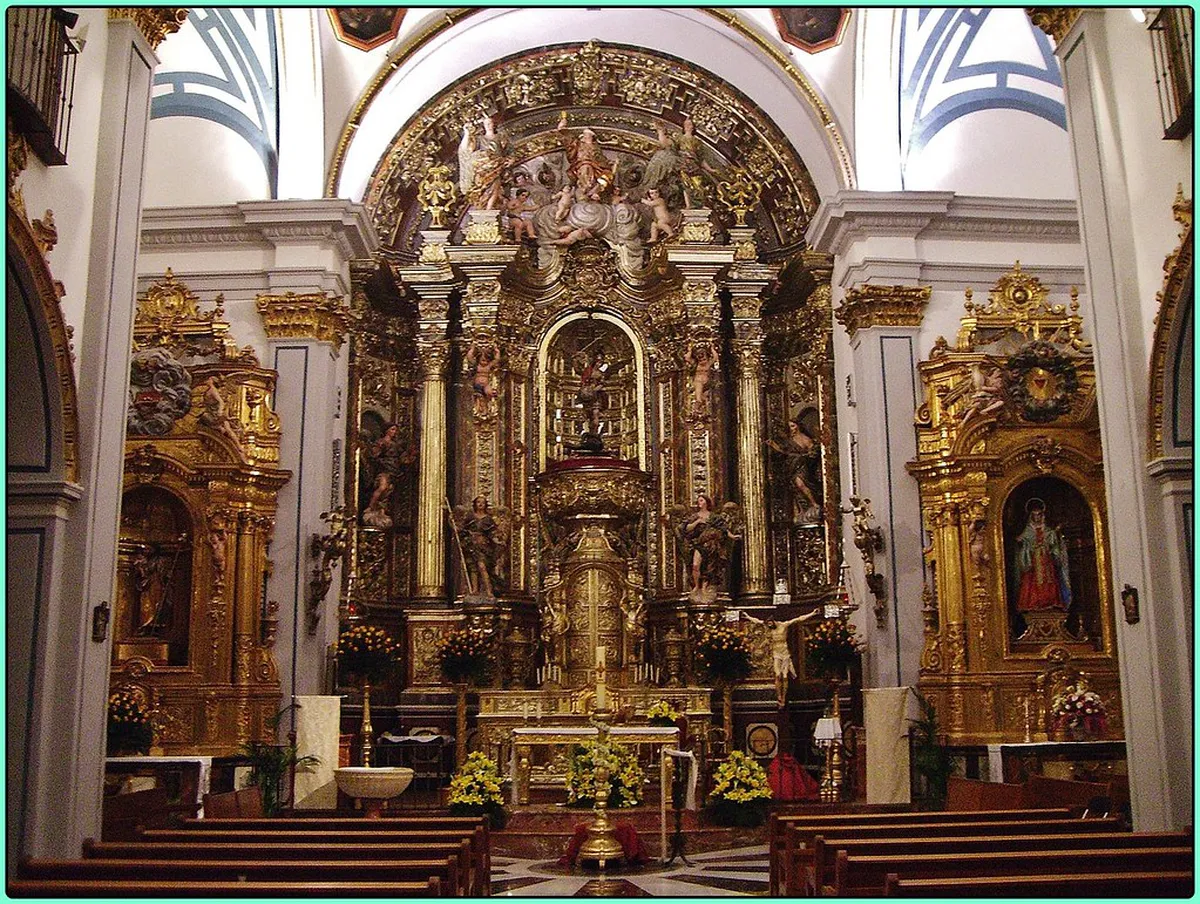
Table of Contents
An Architect's Guide to Murcia: Uncovering Spain's Diverse Architectural Heritage
The Enduring Legacy of Moorish Murcia
Murcia's history is deeply intertwined with its Moorish past, an influence that laid the foundation for much of its urban fabric and architectural character. Founded in 825 AD by Abd ar-Rahman II, the city initially flourished under Islamic rule, evolving into a significant cultural and agricultural center. While many overt structures from this period were later replaced, the Moorish footprint remains discernible in the city's layout and certain architectural details.
A prime example of this enduring legacy can be found in the Moorish influence on Murcia's architecture. Visitors can still discover the fascinating remains of the Moorish wall in Murcia, which once encircled the ancient medina, offering a glimpse into the city's defensive past. Beyond fortifications, the aesthetic principles of Islamic art and architecture, characterized by intricate geometric patterns, horseshoe arches, and serene courtyards, subtly permeated later Christian constructions. Perhaps one of the most remarkable instances where this heritage is explicitly preserved and celebrated is within the Santa Clara Monastery. The monastery houses an extraordinary collection of Islamic art, and exploring the Santa Clara Monastery's Islamic art collection offers a direct connection to this foundational period. Its unique blend of Gothic and Baroque elements, discussed further in Gothic and Baroque elements of Santa Clara, demonstrates how later styles integrated with, rather than completely erased, earlier influences.
Renaissance Flourishes: A Period of Rebirth
Following the Reconquista, Murcia entered a new era of development, gradually incorporating European Renaissance ideals into its architecture. While not as dominant as the subsequent Baroque style, the Renaissance buildings in Murcia introduced concepts of symmetry, proportion, and classical motifs, often blending seamlessly with existing structures or laying the groundwork for future developments. Identifying these Renaissance elements in Murcia requires a keen eye, as they often manifest in subtle details rather than complete structural overhauls.
One of the most significant examples from this period is the Almudí Palace. Originally a granary during the Nasrid period, it was largely rebuilt in the 17th century with distinct Renaissance characteristics. The Tuscan columns of the Palacio del Almudí and its harmonious facade exemplify the classical influences of the era. Understanding the history and use of the Almudí Palace reveals its transformation from a utilitarian structure to a civic landmark, reflecting the city's evolving identity. Other instances of Renaissance elements in Murcia's religious buildings can be observed in chapels or altarpieces, where classical columns, pediments, and sculptural forms hint at the period's artistic aspirations, paving the way for the extravagance that would soon follow.
Baroque Grandeur: Murcia's Golden Age
The 18th century marked Murcia’s architectural zenith, often referred to as its golden age. This period saw an explosion of Baroque architecture, characterized by its dramatic flair, elaborate ornamentation, and theatricality. The city's wealth, largely derived from agriculture and silk production, fueled an ambitious building boom, creating many of Murcia's most recognizable landmarks.
At the heart of this Baroque splendor stands the magnificent Murcia Cathedral. While its interior features a blend of Gothic and Renaissance styles (exploring the Gothic interior of the Cathedral), its awe-inspiring main facade is a quintessential example of Spanish Baroque, a masterpiece sculpted by Jaime Bort y Meliá. Understanding the Murcia Cathedral's Baroque facade reveals a symphony of movement, light, and detailed sculptural work, with figures seemingly emerging from the stone. The Cathedral’s bell tower, a prominent feature of the city skyline, also boasts a fascinating history and evolution, spanning centuries of construction.
Beyond the Cathedral, other significant architectural projects from the 18th century include the Episcopal Palace, an exquisite example of civil Baroque architecture. Its ornate design, rich red facade, and elegant courtyard make it a standout. You can learn more about the history of the Murcia Episcopal Palace and even inquire if you can go inside. The contributions of master architects like Jaime Bort and sculptors like Francisco Salzillo were instrumental in shaping this distinctive style.
Religious architecture flourished, with numerous churches exhibiting the key features of Baroque churches in Murcia. Notable examples include the Church of San Juan de Dios, admired for its unique elliptical floor plan and the stunning religious art inside. Other important sites for religious architecture in Murcia include the Church of San Miguel, the vibrant Santo Domingo Church, and the impressive Church of San Nicolás de Bari. The Monastery of Los Jerónimos, slightly outside the city center, also showcases significant Renaissance and Baroque architecture, and it's worth learning how to get to Los Jerónimos Monastery for a visit.
The grandeur of the era is perhaps best encapsulated in Murcia's Plaza Cardenal Belluga, a magnificent square that serves as an open-air museum of Baroque and contemporary architectural styles, where the Cathedral and Episcopal Palace majestically preside.
Modernism and Eclecticism: A New Era of Design
💡 Pro Tip: Book your Murcia adventures in advance through Viator for the best deals!
As the 19th century gave way to the 20th, Murcia, like many European cities, embraced new architectural trends that moved away from strict classical forms. This period saw the rise of Modernist architecture in Murcia, characterized by its innovative use of materials, organic motifs, and a departure from historical precedents. For those interested in this period, knowing where to find modernist buildings in Murcia is key to appreciating these unique structures. The key characteristics of Murcia's Modernism include vibrant facades, elaborate ironwork, and a playful approach to ornamentation, often with Art Nouveau influences.
One of the most spectacular examples of this eclectic period is the Real Casino de Murcia. While not purely Modernist, it's a stunning amalgamation of different styles, including Neo-Baroque, Neo-Mudejar, and Modernist elements. Exploring the diverse architectural styles inside the Real Casino is an experience in itself, with its lavish Moorish Patio, opulent Ballroom, and elegant Library. For visitors, knowing how to visit the Real Casino de Murcia is essential to witness this architectural marvel.
Another significant building from this transitional period is the Romea Theatre. While its initial structure dates to the mid-19th century, its subsequent renovations and rebuilds brought in strong Neoclassical design elements, reflecting the prevailing tastes of the time for grandeur and dramatic effect. Information on how to book a tour of Romea Theatre can provide deeper insights into its history and design. The Casa Cerdá is another gem, renowned for its unique facade and intricate detailing; learning who designed the Casa Cerdá building offers insight into Murcia's local architectural talent. Even functional buildings like Verónicas Market showcase the era's ingenuity, with its modernist iron and glass construction, testament to the history of Murcia's central food market.
Contemporary Statements: Modern Murcia
🎯 Insider Tip: Discover the best Murcia experiences with Viator Tours!
Murcia continues to evolve, with contemporary architecture adding a new layer to its historical narrative. The city has embraced modern design, integrating innovative structures that stand in thoughtful dialogue with their ancient surroundings. These contemporary Murcia buildings represent the city's forward-looking vision while respecting its rich past.
A prime example of this harmonious coexistence is the Murcia City Hall Annex, designed by the Pritzker Prize-winning architect Rafael Moneo. Situated in Plaza Cardenal Belluga, directly opposite the Baroque Cathedral and Episcopal Palace, Moneo's building embodies a masterful clash of Baroque and contemporary design. His design philosophy, explored in Rafael Moneo's design philosophy for the annex, was to create a structure that is distinctly modern yet sensitive to its historic context, demonstrating how the annex complements the historic square rather than competes with it. This building is considered one of the most important contemporary architectural works in Murcia and a must-see for any architectural enthusiast. A comprehensive guide to Rafael Moneo's Murcia City Hall is available for those seeking deeper understanding.
Beyond prominent public buildings, modern urban development projects in Murcia continue to shape the cityscape, reflecting new approaches to public spaces and residential areas. These developments illustrate how urban planning in Murcia evolves, balancing preservation with progress, and showcase the city's ongoing architectural dialogue.
Exploring Murcia's Architectural Details and Experiences
To truly appreciate Murcia's architecture, one must delve into its intricate details and explore the city on foot. A Murcia architecture walking tour is the ideal way to discover the city's layers of history. You can embark on a self-guided architecture walk, or opt for one of the best guided architecture tours in Murcia for expert insights. Don't forget to look for hidden architectural gems and hidden courtyards in old Murcia, as well as lesser-known architectural details that often reveal fascinating stories.
The city's engineering feats are also noteworthy, including Murcia's historic bridges. The Puente de los Peligros and the Puente Nuevo offer insights into past construction techniques and provide picturesque views of the Segura River.
When observing buildings, pay attention to the building materials used. The types of stone in Murcia's landmarks, often local limestone, reflect regional resources and craftsmanship. The elaborate ironwork in Murcia architecture, especially on balconies and grilles, is a decorative art form in itself. A detailed architectural details guide can help you spot intricate heraldic shields and different types of balconies. For history buffs, exploring Murcia's historic public buildings and the Old Town Hall building provides context to the city's civic development.
Capturing the beauty of these structures is also a popular pastime. Discover the best spots for architecture photography in Murcia and get tips for photographing the Murcia Cathedral. Plan your route with a Murcia architecture map, whether it's a printable map or an interactive one, to efficiently navigate the city's landmarks. For students, this city is a living classroom: an architecture student guide to Murcia can highlight must-see buildings and sketching spots. If you're interested in further reading, seek out the best books on Murcia's architecture and find where to buy guides in Murcia.
For those planning their visit, check visiting Murcia monuments information, including opening hours and ticket prices. Murcia is increasingly conscious of accessibility, with a focus on accessible Murcia landmarks and information on wheelchair-accessible historic buildings like the Cathedral. Finally, the city is dedicated to preserving its heritage through restoration projects, showcasing how historic buildings are preserved and highlighting recent architectural restoration in Murcia's old town.
Frequently Asked Questions
🎯 Insider Tip: Discover the best Murcia experiences with Viator Tours!
What is the most famous architectural style in Murcia?
Can I explore Murcia's architecture on a self-guided tour?
Are there any modern architectural highlights in Murcia?
Key Takeaways
- Murcia's architecture showcases a captivating blend of Moorish, Renaissance, Baroque, Modernist, and contemporary styles.
- The 18th century was Murcia's 'Golden Age' for architecture, producing masterpieces like the Cathedral's Baroque facade and the Episcopal Palace.
- The Real Casino de Murcia is an exquisite example of eclectic design, combining various historical and Modernist elements.
- Rafael Moneo's City Hall Annex represents a harmonious integration of modern architecture within a historic urban context.
- Exploring Murcia on foot, whether self-guided or with a tour, is the best way to uncover its visible and hidden architectural treasures.