
Discover Murcia Renaissance Buildings in Spain | 2025 Guide
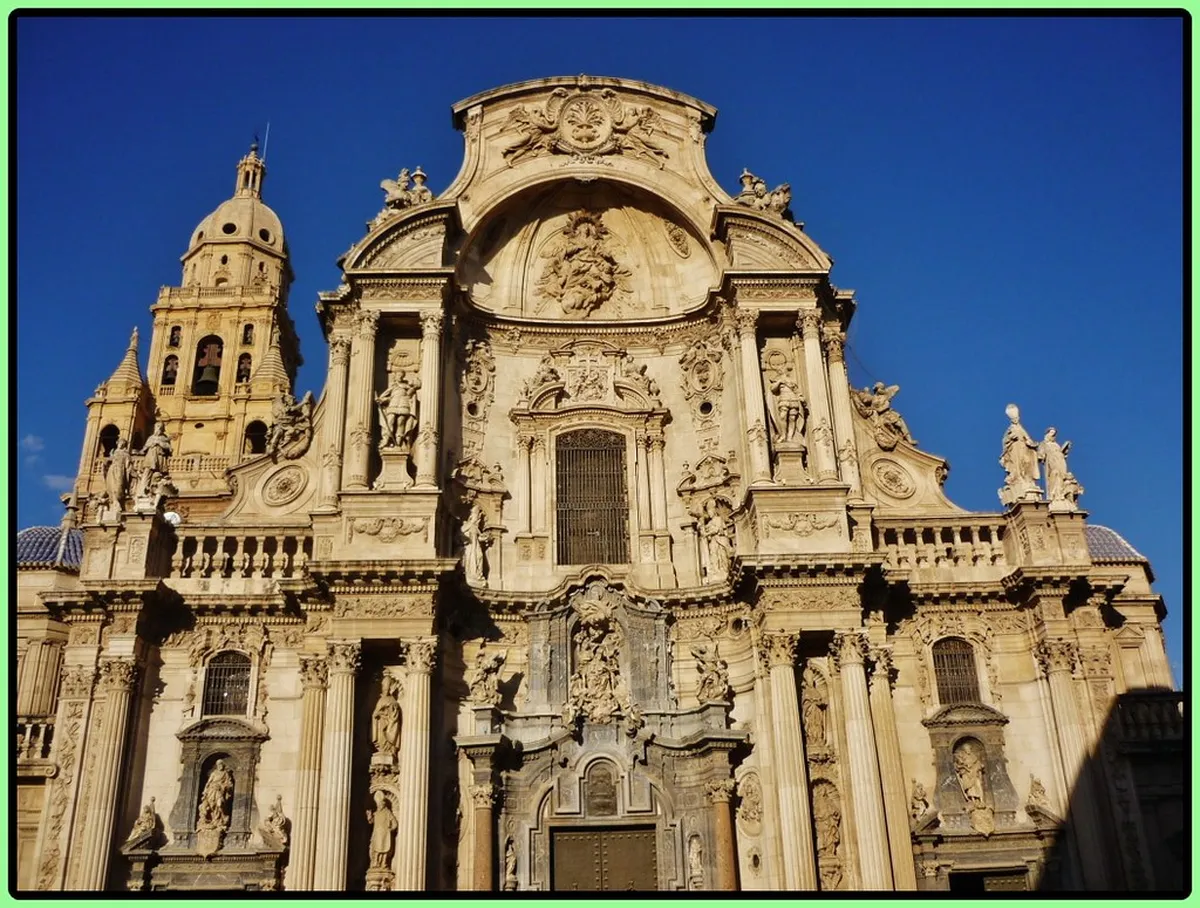
Table of Contents
Exploring Murcia Renaissance Buildings: A 2025 Guide
Murcia, a vibrant city in southeastern Spain, boasts a rich architectural heritage. Its streets whisper tales of centuries past. Among these stories, the era of Renaissance buildings shines brightly. These structures showcase classical revival elegance and timeless beauty.
Understanding Murcia Renaissance buildings offers a unique cultural journey. This guide will help you discover these magnificent historical gems. Prepare to explore an important period in the region's artistic development. Begin your architectural adventure today with our Murcia architecture guide.
Identifying Renaissance Architecture in Murcia
Murcia's Renaissance period generally spans from the late 15th to the 17th century. This style emphasized classical Roman and Greek forms. You will notice clear lines and harmonious proportions. Builders sought symmetry and balance in their designs.
Key features include elaborate facades with columns and pilasters. Arches, domes, and detailed cornices are also common. Look for geometric patterns and mythological motifs. These elements distinguish Renaissance structures from earlier styles. For more insights, learn about identifying Renaissance architecture here.
Local materials like red brick and stone were often used. This gave buildings a distinct Murcian character. The style was influenced by Italian masters but adapted locally. This blending created a unique regional interpretation.
Many buildings underwent Renaissance additions or renovations. Older Gothic structures sometimes received new classical elements. This fusion adds layers of historical interest. Keep an eye out for these fascinating architectural details as you explore.
Key Renaissance Buildings to Explore in Murcia
One significant example is the Almudí Palace. Originally a grain exchange, it now serves as a cultural center. Its Renaissance facade features elegant arches and a robust structure. Visiting hours are typically Tuesday to Saturday, 10:00 AM to 2:00 PM and 5:00 PM to 8:00 PM. Entry is often free, but check for current exhibitions.
The Episcopal Palace also displays Renaissance influences. While largely Baroque, its foundations and earlier sections show classical lines. It stands majestically beside the Murcia Cathedral. This palace housed bishops and featured grand courtyards. Explore more on the Episcopal Palace's history.
Murcia's Town Hall is another notable site. Its older sections incorporate subtle Renaissance features. The building underwent many transformations over centuries. Pay attention to its facade details for clues to its past. These civil architecture examples provide rich historical context.
Many private residences from the 16th century also exist. They often feature carved stone portals and interior courtyards. While not always publicly accessible, their exteriors are impressive. A good Murcia architecture walking tour can reveal these hidden gems.
Renaissance Elements in Murcia's Religious Architecture
The Murcia Cathedral is a prime example of architectural evolution. While its facade is primarily Baroque, its interior and earlier structures retain Renaissance elements. The Capilla de Junterones showcases classical details. Look for its intricate carvings and harmonious design.
Other religious sites also feature Renaissance characteristics. The Monastery of Santa Clara la Real incorporates some classical revival aspects. It blends Moorish, Gothic, and Renaissance styles beautifully. This historical site offers a glimpse into Murcia's diverse past. Learn more about the Santa Clara Monastery.
The Monastery of Los Jerónimos, though later, includes Renaissance echoes. Its overall grandeur and systematic planning hint at classical principles. The pursuit of order and proportion defines its design. These religious architecture examples are crucial to understanding Murcia's heritage.
Many smaller churches and chapels also exhibit Renaissance details. A pilaster, a classical frieze, or a round arch may adorn them. These subtle features reveal the style's widespread influence. Take your time to notice these often overlooked elements.
Practical Tips for Visiting Murcia's Renaissance Gems
🎯 Insider Tip: Discover the best Murcia experiences with Viator Tours!
Planning your visit to Murcia's Renaissance buildings is easy in 2025. Most sites are centrally located and walkable. Wear comfortable shoes for exploring the historic city center. Many attractions offer free entry or a small fee, typically around 2-5 Euros.
Check official websites for current opening hours and any special events. Some smaller sites may have limited access. Consider visiting during off-peak seasons, like spring or autumn. The weather is pleasant, and crowds are smaller. This allows for a more relaxed experience.
Many key Renaissance sites are part of guided walking tours. These tours provide valuable historical context. They often cover several architectural periods. Booking in advance is recommended, especially for popular tours. You can find options for visiting Murcia's monuments easily.
Murcia is generally an accessible city. Many main streets are flat and pedestrian-friendly. Some historic buildings might have steps, so check ahead if mobility is a concern. Our guide to accessible Murcia landmarks can help.
Beyond Renaissance: Murcia's Evolving Architecture
While Renaissance buildings are captivating, Murcia's architectural story continues. The city also features stunning examples of Baroque architecture. The Cathedral's facade is a masterpiece of this later style. It adds an ornate and dramatic flair to the cityscape.
Murcia's architectural timeline also includes Moorish influences. These early designs shaped many of the city's foundational structures. They left a lasting legacy of intricate patterns and courtyards. Understanding this blend enriches your visit.
Later, Modernist and contemporary buildings emerged. They offer a striking contrast to the older styles. This shows Murcia's ongoing architectural development. The city continually embraces new design philosophies. Discover more about Murcia's Baroque architecture.
Exploring these different periods highlights Murcia's dynamic history. From ancient foundations to modern structures, each era left its mark. A comprehensive architectural journey awaits you. Embrace the full spectrum of styles found here.
Frequently Asked Questions
What is the most famous Renaissance building in Murcia?
While purely Renaissance buildings are rare due to later modifications, the Almudí Palace is a prime example. Its 17th-century facade strongly features classical elements. The building represents significant civil architecture from the era. It truly stands out as a Renaissance landmark.
Are there any restoration projects for Renaissance buildings in Murcia?
Yes, Murcia regularly undertakes restoration projects for its historic buildings. Efforts focus on preserving architectural integrity. These projects ensure future generations can appreciate these structures. For updates, check local cultural heritage sites or our guide on restoration projects in Murcia.
How can I photograph Murcia's Renaissance architecture effectively?
Focus on capturing the intricate details and grand facades. Use natural light to highlight textures and shadows. Consider different angles to emphasize scale and symmetry. Early morning or late afternoon light often works best. For tips, explore architecture photography in Murcia.
Murcia's Renaissance buildings offer a captivating glimpse into its past. Their elegant designs and classical influences enrich the city's landscape. Discovering these structures provides a deep appreciation for architectural history. Plan your 2025 trip to immerse yourself in Murcia's timeless beauty.
Don't miss the opportunity to explore these architectural treasures firsthand. Each building tells a unique story of art and history. Start planning your comprehensive Murcia architectural adventure today. You will be glad you did.
Key Takeaways
- Look for classical elements like columns, arches, and symmetry.
- The Almudí Palace is a must-visit for its prominent Renaissance facade.
- Combine your visit with other architectural styles for a complete experience.