
A Coruña Architecture Guide: Exploring Galician Heritage and Modern Design
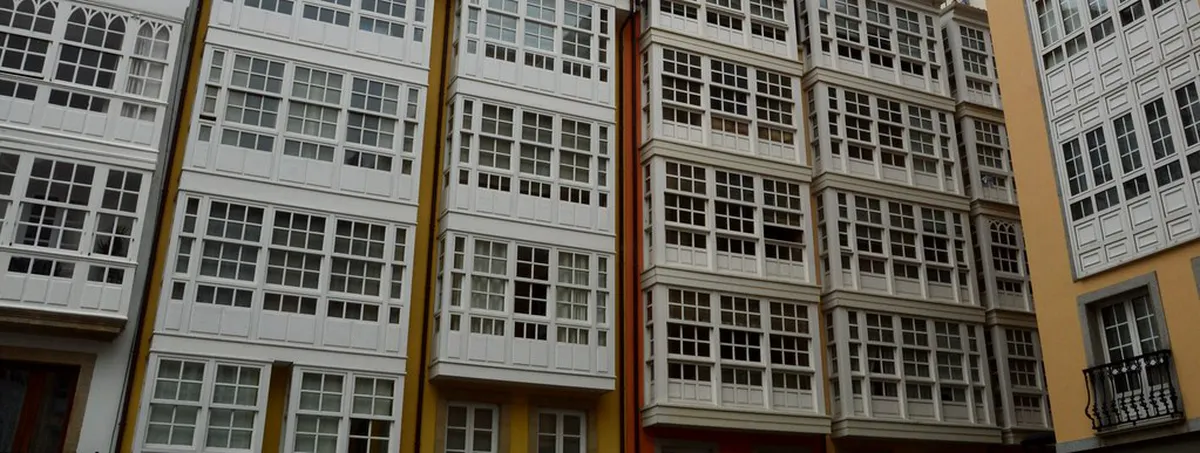
Table of Contents
A Comprehensive A Coruña Architecture Guide: Unveiling the City's Built Wonders
Ancient Foundations: The Tower of Hercules and Roman Engineering
Our architectural exploration of A Coruña begins with its most enduring symbol: the Tower of Hercules. This ancient Roman lighthouse, a UNESCO World Heritage site, stands proudly at the city's edge, a testament to remarkable Roman engineering. Originally built in the 1st century AD, it has guided mariners for over two millennia. While its exterior received a significant Neoclassical restoration in the 18th century by Eustaquio Giannini, its core remains resolutely Roman, offering a tangible link to A Coruña's deep historical roots. Beyond the lighthouse, remnants of ancient fortifications and a rich history of Roman occupation speak to the city's strategic importance from antiquity.
Medieval Echoes and Romanesque Charms
Delving deeper into A Coruña's past, visitors can trace the city's medieval footprint. The old city walls, though largely fragmented, offer glimpses into its defensive past, protecting the 'Ciudad Vieja' (Old Town). Within this historic quarter, Romanesque architecture comes to life through a collection of charming churches. The Collegiate Church of Santa María and the Church of Santiago are prime examples, showcasing the robust and understated beauty characteristic of Galician Romanesque style. These structures, built with sturdy Galician granite, offer a tranquil escape into centuries-old spiritual architecture. You can explore these churches to understand the city's early religious and social fabric.
Baroque Grandeur and Neoclassical Elegance
As A Coruña prospered, new architectural styles emerged, bringing an era of Baroque ornamentation and Neoclassical sobriety. The heart of the city, Plaza de María Pita, is a magnificent testament to this period. Dominated by the ornate City Hall, its intricate facades and grand scale embody the civic pride of the late 19th and early 20th centuries. The square's design itself is a fascinating study in urban planning. Elsewhere, the Convent of Santo Domingo and the Church of San Jorge display quintessential Baroque elements, while buildings like the Captain General's Palace beautifully exemplify Neoclassical architecture in A Coruña, characterized by classical proportions and restrained decorative details. Identifying Neoclassical elements throughout the city reveals a period of sophisticated urban development.
The Iconic Galerías: A Coruña's Unique Glass Balconies
💡 Pro Tip: Book your Madrid adventures in advance through Viator for the best deals!
Perhaps no architectural feature is more synonymous with A Coruña than its shimmering 'galerías.' These enclosed, white-painted glass balconies, particularly prominent along Marina Avenue, are not merely decorative but deeply functional, designed to capture sunlight and provide shelter from the Atlantic elements. They are a defining characteristic of Galician architecture, earning A Coruña the nickname 'Crystal City.' Understanding why there are glass balconies in A Coruña unveils a clever adaptation to the local climate. For photographers, Marina Avenue offers stunning angles, especially during the best time to photograph the galerías, when the light plays beautifully on the glass. These structures represent a harmonious blend of practicality and aesthetic charm, providing an undeniable visual identity to the city's waterfront.
Modernism and Art Nouveau: A Flourishing of Styles
The late 19th and early 20th centuries saw a significant architectural boom in A Coruña, with the arrival of Modernist and Art Nouveau styles. This era brought a wave of elegant, elaborately decorated buildings, especially in the Ensanche district, a result of A Coruña's urban development in the 19th century. Architects like Juan de Ciórraga and Eusebio da Guarda were instrumental in shaping this distinctive urban fabric. You can identify key features of A Coruña modernism, such as floral motifs, curvilinear lines, and vibrant tile work. Discover the best examples of Art Nouveau throughout the city, often found in residential and commercial buildings. A self-guided Art Nouveau walking tour map or an interactive map of modernist buildings can help you uncover lesser-known modernist houses and appreciate the works of A Coruña's modernist architects. While Art Deco is less prevalent, you might find Art Deco influences in certain areas, adding to the city's rich stylistic tapestry.
Contemporary Vision: Bold New Structures
A Coruña isn't solely defined by its past; it's a city continually evolving with striking contemporary architecture. Buildings like the Domus Museum, designed by Arata Isozaki, and the PALEXCO Convention Center by César Portela, showcase bold, innovative designs that push architectural boundaries. The Ágora Cultural Center, a vibrant hub, also stands as a significant example of modern design. For those interested in innovative public spaces, Casa del Agua, a wellness and sports complex, boasts a unique and functional design, conceived by the renowned architect César Portela. These structures integrate seamlessly, yet distinctly, into the city's historical fabric, demonstrating A Coruña's commitment to forward-thinking urban development and establishing its place among cities with notable contemporary buildings.
Military and Industrial Heritage
The strategic coastal location of A Coruña naturally led to a rich history of military architecture. The formidable Castillo de San Antón, a 16th-century fortress now home to the Archaeological Museum, offers a fascinating insight into the city's defensive past and its architectural evolution. Another significant military site is Monte de San Pedro, where repurposed military batteries now frame panoramic views of the city, accessible via a distinctive panoramic lift. The city also bears the marks of its industrial past, with structures like the Old Tobacco Factory and the Fábrica de Hielo, which have often found new life through restoration projects, reflecting A Coruña's enduring spirit of adaptation.
Hidden Gems and Unique Architectural Features
Beyond the well-known landmarks, A Coruña hides numerous architectural gems waiting to be discovered. Wander through its streets, and you'll find charming secret courtyards and buildings that blend various styles into a harmonious whole. The Rosalía de Castro Theatre, with its rich architectural history, is a cultural landmark, and you can book a tour to appreciate its interior. Even the Casa Museo Picasso, where the famous artist spent part of his childhood, showcases typical Galician architecture from the 19th century. Don't miss the unique Kiosko Alfonso, a distinctive cultural pavilion with a rich history, now hosting exhibitions, or the enigmatic Menhirs for Mankind sculpture, an evocative contemporary art installation with a profound meaning, best viewed at specific times of day for optimal light. For art lovers, A Coruña offers many places where art and architecture meet.
Exploring A Coruña: Tours, Photography, and Accessibility
To truly appreciate A Coruña's architectural diversity, consider joining one of the many architecture tours available. You can find information on best guided tours and how to book them, or opt for a self-guided tour itinerary with a printable map. Many incredible architectural sites can be admired for free, making for a budget-friendly exploration. Photographers will find endless inspiration, from capturing Marina Avenue to focusing on the intricate details of buildings. For those with mobility considerations, A Coruña is increasingly focusing on accessible architecture, with wheelchair-accessible sites and tips for navigating the city. The city is also dedicated to architectural preservation efforts, ensuring its historic buildings endure.
A Coruña's Urban Fabric and Materials
⭐ Recommendation: Don't miss out on amazing Madrid tours - book now!
The character of A Coruña's architecture is deeply influenced by its urban planning and chosen building materials. The expansion of the city beyond its ancient walls led to the planned development of the Ensanche district, which profoundly shaped A Coruña's urban planning history. Predominant materials include the robust Galician granite, providing a sturdy and enduring quality to many historic structures, often visible in the Romanesque churches and older facades. The maritime climate also favored specific choices, such as the widespread use of slate roofs, offering excellent protection against the Atlantic weather. Understanding these fundamental elements enhances one's appreciation of how the city's built environment both responds to and shapes its unique identity.
Final Considerations for the Architectural Enthusiast
💡 Pro Tip: Book your Madrid adventures in advance through Viator for the best deals!
Before concluding your architectural journey through A Coruña, remember that the city's charm often lies in its details and its less-trodden paths. Seek out buildings with impressive interior design, explore the serene beauty of the San Amaro Cemetery's monuments, and discover its notable modernist tombs, which offer a unique perspective on funerary art and architecture. For deeper dives, consider consulting books about A Coruña's modernist style or its broader architectural history, which can often be found at local bookstores or specialized shops (where to buy architecture books in A Coruña). Every corner of A Coruña holds a story, inviting you to look closer and discover its layers of architectural brilliance.
Frequently Asked Questions
What is the most famous architectural landmark in A Coruña?
Why does A Coruña have so many glass balconies (galerías)?
What architectural styles can be found in A Coruña?
Are there any good self-guided architecture tours in A Coruña?
Where can I find examples of military architecture in A Coruña?
What makes A Coruña's contemporary architecture stand out?
Key Takeaways
- A Coruña boasts a unique blend of Roman, Medieval, Baroque, Neoclassical, Modernist, Art Nouveau, and contemporary architecture.
- The Tower of Hercules is the city's ancient Roman landmark and a UNESCO World Heritage site.
- The iconic glass-fronted 'galerías' along Marina Avenue are a defining feature, offering both beauty and practical climate control.
- The Ensanche district is a treasure trove of Modernist and Art Nouveau buildings.
- Contemporary structures like the Domus and Casa del Agua showcase A Coruña's forward-thinking design.
- The city's military heritage is preserved in sites like Castillo de San Antón and Monte de San Pedro.
- Galician granite and slate roofs are common building materials, reflecting local resources and climate adaptation.