
Tower of Hercules Architecture: A Coruña's Ancient Light
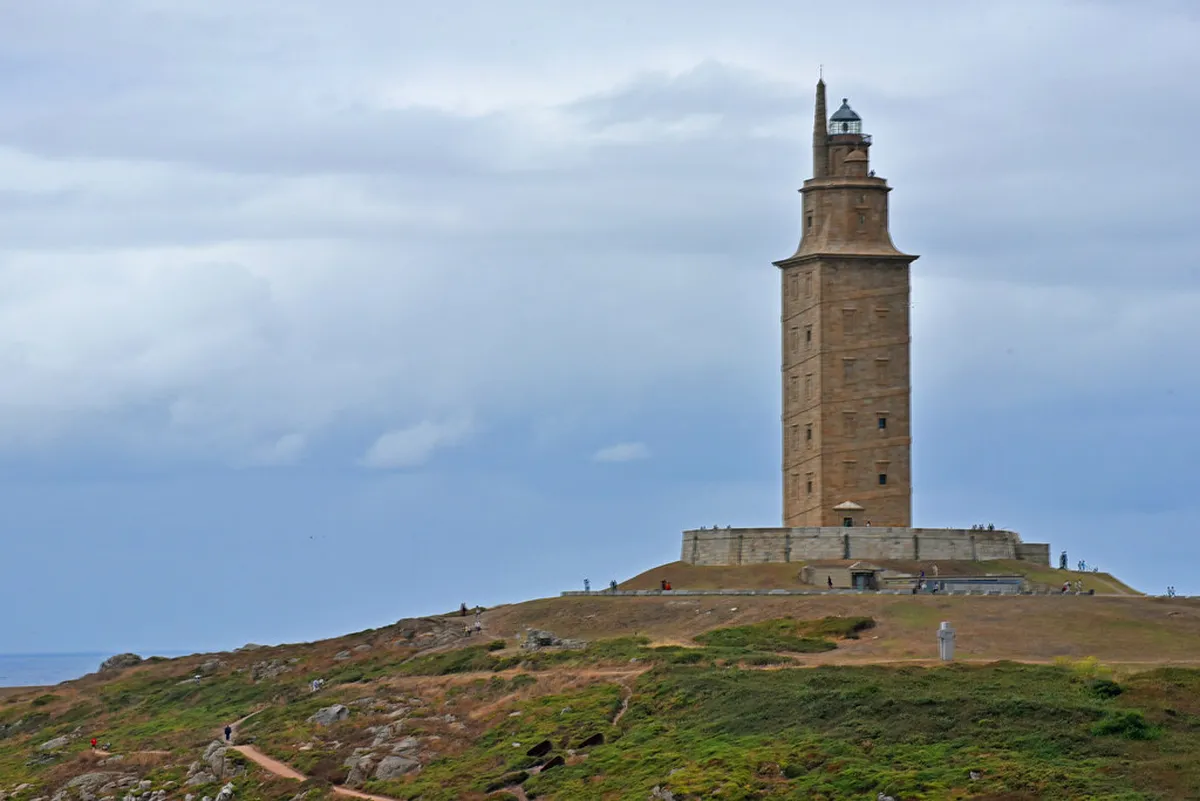
Table of Contents
Unveiling the Tower of Hercules Architecture in A Coruña
A Coruña, Spain, boasts an iconic landmark. The Tower of Hercules stands as the world's oldest working lighthouse. Its rich history spans over two millennia. This ancient structure offers a fascinating architectural journey. It blends Roman engineering with 18th-century design. Discover the incredible A Coruña architecture guide to appreciate its splendor. Visiting this site in 2025 is a must for history buffs.
This magnificent lighthouse continues to guide ships. It holds UNESCO World Heritage status. Its unique Roman engineering is truly remarkable. Prepare to explore its compelling story. We delve into its enduring architectural legacy.
Ancient Roman Origins: The First Lighthouse
The Tower of Hercules began as a Roman lighthouse. It was constructed in the 1st century AD. Emperor Trajan is often credited with its commission. The original architect was likely Gaius Sevius Lupus. This impressive structure guided ships along the Atlantic coast.
Roman engineers built it with remarkable precision. The tower's core structure remains ancient. It reflects advanced Roman building techniques. The design featured a square base and a spiraling ramp. This allowed fuel to reach the top. Learn more about the Roman engineering of the Tower of Hercules. This feat of ancient ingenuity still stands today.
Its primary purpose was maritime navigation. It helped sailors avoid dangerous shoals. The lighthouse marked the entrance to A Coruña's port. It symbolized Roman power and reach. The Tower of Hercules architecture served practical needs. It also projected imperial authority across the sea.
Archaeological evidence supports these early uses. Remains of Roman walls surround the site. You can still see original foundation stones. These elements speak to its long past. They highlight its continuous service. Exploring these ancient parts is truly captivating.
The 18th-Century Neoclassical Transformation
Centuries of neglect took their toll on the tower. By the 18th century, it needed significant repairs. King Charles III ordered a grand restoration. This project aimed to revive its functionality. It also sought to enhance its aesthetic appeal.
The chosen architect was Eustaquio Giannini. He oversaw a major Neoclassical redesign. The existing Roman core was preserved. New facades and a modern lantern were added. This restoration occurred between 1788 and 1791. It transformed the Tower of Hercules architecture. Delve deeper into the 18th-century restoration of the lighthouse. It was a pivotal moment for the structure.
Giannini encased the Roman structure. He added four new towers to the corners. A new staircase was built inside. The exterior received a smooth stone finish. This created the elegant silhouette we see today. The Neoclassical style was popular then. It brought a sense of order and grandeur. Explore other examples of Neoclassical architecture in A Coruña.
This renovation was costly but crucial. It ensured the lighthouse's survival. It cemented its status as a guiding beacon. The blend of ancient and modern is fascinating. It shows a respect for history. This restoration truly saved the tower.
Architectural Features and Enduring Design
The Tower of Hercules stands proudly at 55 meters (180 feet). Its height includes the Roman base and the Neoclassical additions. The structure features a square plan. Four main facades define its exterior. Each facade is symmetrical and imposing.
Inside, an original Roman wall rises over 34 meters. The modern interior staircase winds around this ancient core. This design showcases both eras of construction. It is a testament to architectural evolution. The blend of periods is seamlessly integrated.
Visitors can climb the 234 steps to the top. From there, panoramic views await. You can see the rugged Galician coast. The city of A Coruña stretches below. This experience connects you to centuries of history. It offers incredible architecture photography spots.
The tower's base covers an area of 11.7 meters per side. The walls are thick and robust. These features ensured its stability for centuries. It withstood countless Atlantic storms. The enduring design speaks to its robust construction. This lighthouse is built to last.
Visiting the Tower of Hercules in 2025: Practical Tips
💡 Pro Tip: Book your Madrid adventures in advance through Viator for the best deals!
The Tower of Hercules is open year-round for visitors. Check official websites for current hours and ticket prices. Adult tickets typically cost around €3. It's a small fee for such a grand experience. Special discounts are available for students and seniors.
The tower is located on a peninsula. It offers stunning coastal walks. A large park surrounds the lighthouse. This area is perfect for exploration. Consider combining your visit with other free architecture to see nearby. The views are spectacular, especially at sunset.
Accessibility is important to consider. The climb involves many steps. There is no elevator access to the top. Wear comfortable shoes for the ascent. The surrounding park pathways are generally accessible. Parking is available nearby for convenience.
Consider an A Coruña architecture tour for deeper insights. Local guides offer fascinating stories. They share details about the Tower's history and legends. Booking tickets online in advance is wise, especially during peak season. This ensures your entry without long waits.
Frequently Asked Questions
What is the primary function of the Tower of Hercules today?
The Tower of Hercules primarily functions as an active lighthouse. It continues to guide ships navigating the Atlantic waters. It has been in continuous operation for over 2,000 years. This makes it the world's oldest working lighthouse. It also serves as a major tourist attraction.
When was the Tower of Hercules declared a UNESCO World Heritage site?
The Tower of Hercules earned its UNESCO World Heritage designation in 2009. This recognition highlights its outstanding universal value. It acknowledges its historical and architectural significance. It is a testament to ancient Roman engineering and its continuous use. Learn more about A Coruña's architectural wonders.
Can visitors climb to the top of the Tower of Hercules?
Yes, visitors can climb to the very top of the Tower of Hercules. There are 234 steps leading to the observation deck. The ascent offers unique views of the interior structure. Panoramic views of A Coruña and the coast await at the summit. Prepare for a rewarding physical challenge. This experience is a highlight for many visitors. Check hours and ticket information for 2025. You can also explore other free architectural sites nearby.
What architectural styles are visible in the Tower of Hercules?
The Tower of Hercules showcases two primary architectural styles. Its core is ancient Roman engineering. This dates back to the 1st century AD. The exterior facade is Neoclassical. This style was applied during its 18th-century restoration. This blend creates a unique and fascinating structure. It tells a story of enduring history. The Neoclassical additions seamlessly integrate. They respect the original Roman foundation.
The Tower of Hercules truly stands as an architectural marvel. It beautifully merges Roman strength with Neoclassical elegance. This working lighthouse offers a journey through time. Its historical significance is undeniable. Planning a visit in 2025 provides an unforgettable experience. Explore its enduring legacy yourself. Consider an architecture tour to deepen your understanding.
Key Takeaways
- The Tower of Hercules is the world's oldest working Roman lighthouse.
- Its architecture blends 1st-century Roman engineering with 18th-century Neoclassical design.
- It is a UNESCO World Heritage site and offers panoramic views from its summit.
- Visiting in 2025 provides an opportunity to witness this historical beacon in person.
- Plan for comfortable shoes and consider booking tickets online for the best experience.