
Santa Cruz de Tenerife Architecture Guide: Modern Masterpieces to Colonial Charms
December 9, 2025
By Editor
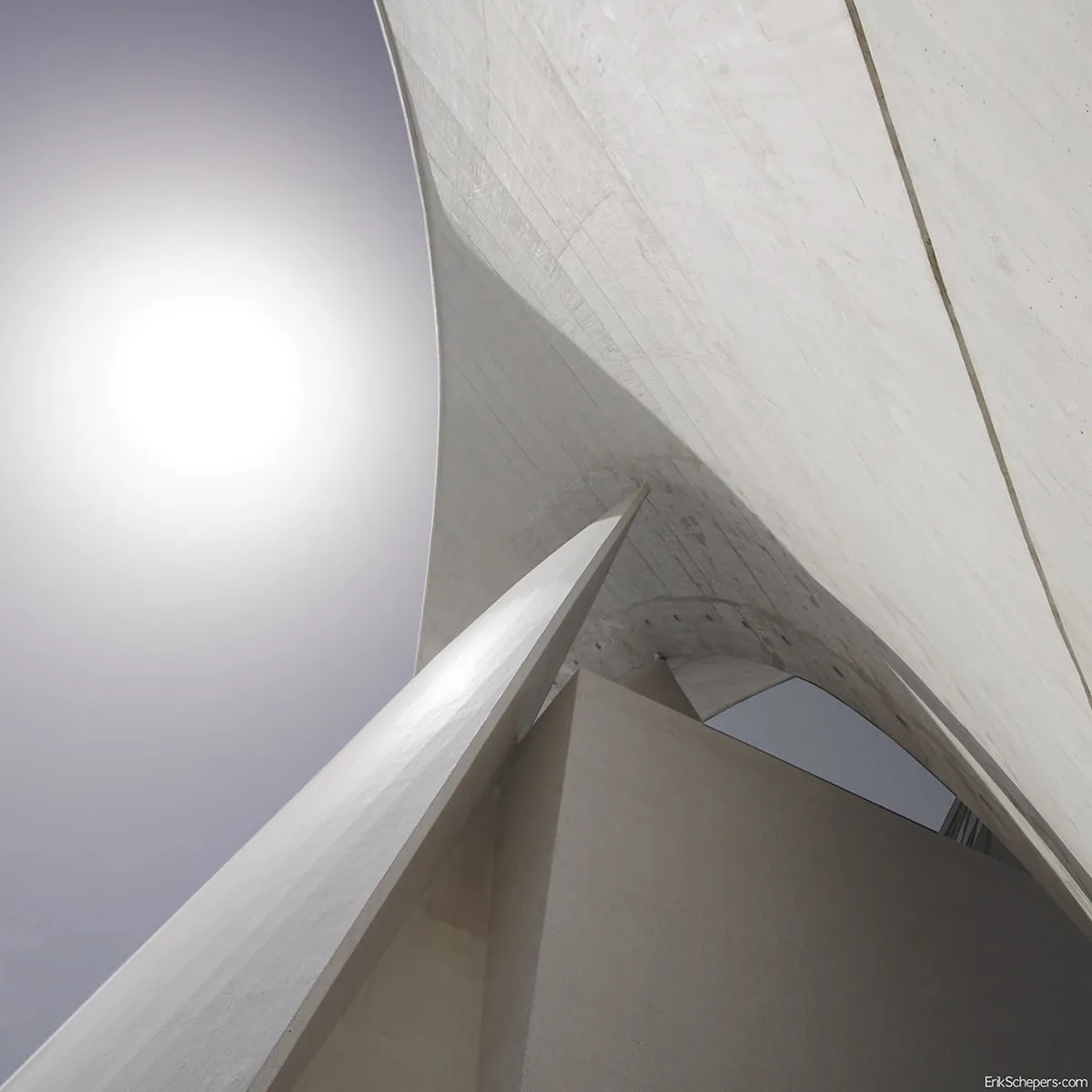
Table of Contents
An Architect's Guide to Santa Cruz de Tenerife: Exploring Its Unique Urban Fabric
Modern Icons: Santiago Calatrava's Vision and Contemporary Masterpieces
Santa Cruz de Tenerife boasts several striking examples of contemporary architecture, none more famous than the Auditorio de Tenerife 'Adán Martín'. Designed by world-renowned architect Santiago Calatrava, this iconic structure, with its soaring wave-like roof, has become an undisputed symbol of the city and indeed the Canary Islands. Its sculptural form and dramatic presence against the Atlantic Ocean demonstrate Calatrava's signature style, characterized by organic shapes and engineering marvels. For those interested in the architect's broader influence, exploring who designed the Auditorio de Tenerife and the list of Calatrava buildings in Tenerife provides further context on his impact. Adjacent to this marvel is another significant cultural institution: TEA Tenerife Espacio de las Artes. This multi-purpose cultural complex, designed by the celebrated Swiss firm Herzog & de Meuron, showcases a starkly different yet equally compelling approach to modern design. Its raw concrete facade, punctuated by numerous square openings, creates a captivating interplay of light and shadow, defining a new architectural language for the city. Discover more about the architectural features of TEA Tenerife building to appreciate its intricate design.Historic Roots: Canarian Colonial and Religious Architecture
Stepping away from the contemporary, Santa Cruz de Tenerife's historic core reveals its deep roots in Canarian Colonial architecture. This style, heavily influenced by Spanish and Portuguese traditions, is characterized by ornate wooden balconies, often enclosed, vibrant pastel facades, and intricate internal courtyards. The Iglesia de Nuestra Señora de la Concepción stands as a prime example, a historic church with a distinctive tower and traditional Canarian elements. Its history and architectural style are crucial to understanding the city's past. The original core of Santa Cruz still retains charming streets where you can see these characteristic features, providing a stark contrast to the city's modern developments. You can find more examples of colonial buildings in Santa Cruz by wandering through the older neighborhoods. Other notable historical structures include the Cabildo Insular de Tenerife, a grand government building that blends classical elements with regional touches, and the Masonic Temple, a building shrouded in mystery with unique esoteric architectural symbolism. The Castle of San Juan Bautista, also known as Castillo Negro, represents the city's military past, offering a glimpse into its defensive architecture.20th Century Styles: Modernism, Rationalism, Art Deco, and Brutalism
The 20th century left an indelible mark on Santa Cruz's architectural identity, with various styles shaping its urban expansion. Modernist architecture emerged with a focus on functionality and clean lines, influencing many residential and public buildings. For an in-depth exploration, consider a self-guided modernist architecture walking tour to discover the best examples of modernism in Santa Cruz. Close on its heels, Rationalist architecture brought a strict adherence to geometric forms and industrial materials, playing a significant role in the city's development. You can find key rationalist buildings in Santa Cruz that exemplify this minimalist aesthetic. The glamour of the interwar period is captured by Art Deco buildings, characterized by their decorative facades, geometric patterns, and often vibrant colors. Look for these gems in the city center to appreciate the unique characteristics of Canarian Art Deco style. Later in the century, the post-war architectural influence led to the emergence of Brutalist architecture. Identifying Brutalist architecture in Santa Cruz reveals a period of raw concrete and monumental forms, often found in larger public and residential complexes. The Teatro Guimerá, with its neoclassical facade and rich history, also represents an important landmark, showcasing earlier classical influences that persist. The Neoclassical style buildings add another layer of historical depth, found in various public and private structures across the city.Public Spaces and Urban Planning: Parks, Plazas, and Markets
🎯 Insider Tip: Discover the best Tenerife experiences with Viator Tours!
Discovering Hidden Gems, Restoration, and Future Directions
Beyond the well-trodden paths, Santa Cruz holds a wealth of architectural hidden gems waiting to be discovered. Wander off the main thoroughfares to appreciate the intricate facade details, unique balconies, and decorative elements that tell stories of bygone eras. The city is also dedicated to historic building restoration, preserving its heritage while adapting to modern needs. For instance, the Círculo de Amistad XII de Enero is an excellent example of a beautifully preserved institution with significant architectural value. Looking forward, Santa Cruz is embracing sustainable architecture projects, with an increasing focus on environmentally conscious design and integration of green technologies. This commitment to both past and future ensures that the city's architectural narrative continues to evolve, making it a fascinating case study for urban development in the Atlantic. Explore the work of famous local architects, such as Enrique Rumeu, whose contributions have shaped the city's character. The urban planning is dynamic, with constant efforts to balance preservation with growth, as highlighted in discussions around the future development plans for Santa Cruz.Planning Your Architectural Exploration: Tours and Photography
🌟 Local Expert Tip: Get the most out of your Tenerife visit with guided tours!
Frequently Asked Questions
What is the most famous architectural landmark in Santa Cruz de Tenerife?
Without a doubt, the Auditorio de Tenerife 'Adán Martín', designed by Santiago Calatrava, is the most iconic and recognizable architectural landmark in Santa Cruz and arguably the entire Canary Islands. Its striking sail-like structure defines the city's skyline.
What architectural styles can be found in Santa Cruz de Tenerife?
Santa Cruz de Tenerife is known for its incredible architectural diversity. You can find everything from traditional Canarian Colonial and Neoclassical styles to significant examples of Modernism, Rationalism, Art Deco, Brutalism, and cutting-edge Contemporary architecture.
Are there guided architectural tours available in Santa Cruz?
Yes, several guided architectural walking tours are available, offering insightful perspectives on the city's historical and modern buildings. These tours are an excellent way to learn about the context and details of different architectural styles. You can also find resources for self-guided tours.
What are some examples of historic architecture in Santa Cruz de Tenerife?
Historic architecture is abundant, with key examples including the Iglesia de Nuestra Señora de la Concepción, which showcases Canarian Colonial style, the neoclassical Cabildo Insular de Tenerife, and the enigmatic Masonic Temple. The Teatro Guimerá also stands as a significant historical building.
Where can I see modern architecture in Santa Cruz de Tenerife?
Beyond the Auditorio de Tenerife, the TEA Tenerife Espacio de las Artes, designed by Herzog & de Meuron, is a prime example of modern architecture. The Plaza de España complex, also by Herzog & de Meuron, and various buildings from the Modernist and Rationalist periods throughout the city center showcase contemporary and 20th-century design.
Key Takeaways
⭐ Recommendation: Don't miss out on amazing Tenerife tours - book now!
- Santa Cruz de Tenerife presents a unique blend of architectural styles, from Canarian Colonial to cutting-edge Contemporary.
- The Auditorio de Tenerife by Santiago Calatrava and TEA Tenerife Espacio de las Artes by Herzog & de Meuron are must-see modern landmarks.
- Explore the historic core for examples of traditional Canarian Colonial architecture, including the Iglesia de la Concepción.
- The city features significant examples of 20th-century styles like Modernism, Rationalism, Art Deco, and Brutalism.
- Public spaces like Plaza de España and Parque García Sanabria showcase thoughtful urban planning and landscape architecture.
- Consider guided tours or self-guided walks to fully appreciate the city's architectural richness and hidden gems.
- Santa Cruz is actively engaged in historic building restoration and embracing sustainable architectural practices.