
Iglesia de la Concepción History: Santa Cruz's Enduring Church
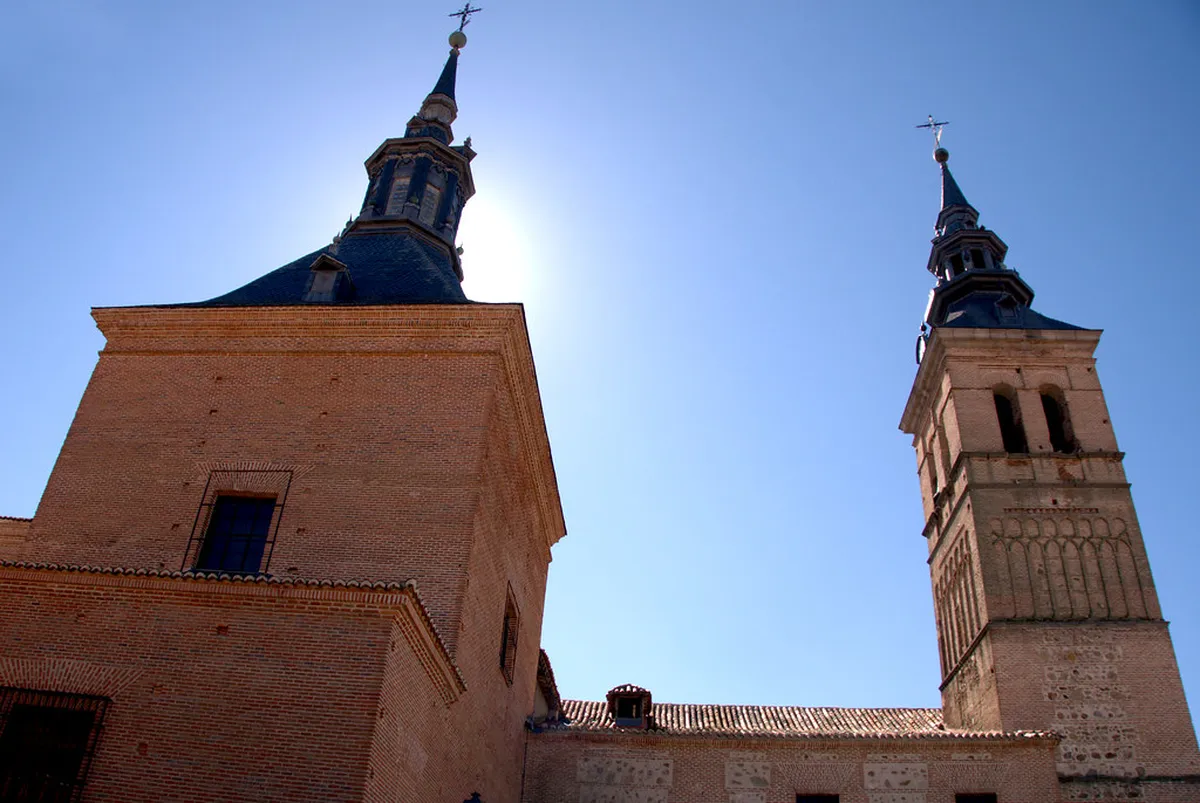
Table of Contents
Explore the Rich Iglesia de la Concepción History in 2025
Santa Cruz de Tenerife boasts many historical treasures. Among them, the Iglesia de la Concepción stands out. This iconic church offers a profound connection to the city's past. Understanding the Iglesia de la Concepción history reveals much. It reflects centuries of Canarian faith and resilience.
Its distinctive bell tower defines the Santa Cruz skyline. This church is a must-see for any visitor in 2025. It serves as a vital historical landmark. Explore its captivating story within these pages. Discover its unique architectural charm.
Founding and Early Years: A Small Hermitage (Iglesia de la Concepción history)
The story of Iglesia de la Concepción begins modestly. Its origins date back to the late 15th century. Early Spanish conquerors established a simple hermitage here. This was shortly after the conquest of Tenerife.
It honored the Immaculate Conception. The site marked the first Christian temple in the city. This humble beginning laid the foundation. It established a spiritual center for new settlers. The church played a crucial role.
By 1500, the hermitage transformed into a proper parish church. This upgrade reflected Santa Cruz's growing importance. It became the mother church of the capital city. Its initial structure was modest. It followed early Canarian architectural styles. This marked a key moment in Canarian colonial style development.
Growth and Transformation: From Parish to Icon
Over centuries, the church underwent significant expansion. Its growing congregation demanded larger spaces. Architects incorporated new elements over time. The church slowly gained its present grandeur.
A major turning point occurred in the 17th century. The iconic five-nave structure began to take shape. This grand design provided ample room for worshippers. It solidified its status as a principal church.
The towering bell tower remains its most striking feature. It was constructed primarily in the 18th century. This tower is inspired by the church of La Laguna. It offers panoramic views of Santa Cruz. Its bells have marked time for centuries. You can learn more about its specific style at this architecture guide. It remains a key landmark.
Fires and Rebirths: A History of Resilience
The Iglesia de la Concepción faced many challenges. Several devastating fires threatened its existence. The most destructive blaze occurred in 1652. It consumed much of the original structure. Only parts of the bell tower survived.
Despite the damage, the community rallied. Reconstruction efforts began almost immediately. The people of Santa Cruz were determined. They rebuilt their beloved church. This demonstrated incredible resilience and faith. Later fires also caused damage, leading to further restorations.
Each rebuilding phase added new architectural layers. These additions reflected changing styles and needs. The church truly embodies a history of renewal. It stands as a testament to the city's spirit. Its survival is a point of local pride. Read about historic building restoration in Tenerife.
Architectural Style and Key Features
🎯 Insider Tip: Discover the best Tenerife experiences with Viator Tours!
The church showcases a blend of architectural influences. Its dominant style is Canarian Baroque. This style features intricate carvings and ornamentation. It also reflects earlier Mudejar and Gothic elements. The wooden ceilings, or 'artesonados', are particularly stunning.
Inside, five naves create a spacious interior. Rich altarpieces adorn numerous chapels. The main altarpiece is a masterpiece of craftsmanship. It houses precious religious artifacts. Visitors can admire the beautiful pulpits too.
- Bell Tower: An iconic, freestanding structure offering city views.
- Ceilings: Intricately carved wooden Mudejar-style artesonados.
- Altars: Ornate Baroque altarpieces, especially the main one.
- Sacred Art: Collection of religious sculptures and paintings.
The church’s design makes it a unique example. It perfectly blends religious devotion with artistic expression. Consider an architectural walking tour to appreciate its details.
Visiting the Iglesia de la Concepción in 2025
The Iglesia de la Concepción is centrally located. You can find it near the Plaza de España. It serves as an active parish church. Visitors are welcome to explore its interior.
Entry is typically free for visitors. However, donations are always appreciated. This helps maintain the historic structure. Check for specific visiting hours. These can vary based on church services.
For current information, consult the official visiting hours guide. The church is easily accessible by public transport. Many local buses stop nearby. It's a key stop on any Santa Cruz tour.
Plan your visit for a serene experience. Allow at least 30-60 minutes to explore. Its historical significance is immense. The architecture provides a calm escape. You can also visit nearby attractions. The Plaza de España complex is just a short walk away. This historic church is a true gem.
Frequently Asked Questions
When was the Iglesia de la Concepción originally built?
The Iglesia de la Concepción began as a hermitage. Its original construction dates back to the late 15th century. This was around 1498, after the Castilian conquest. It quickly became the first parish church.
What architectural style defines the Iglesia de la Concepción?
The church primarily exhibits Canarian Baroque style. It also features notable Mudejar elements. These include the stunning wooden 'artesonado' ceilings. The bell tower shows influence from La Laguna's church design. You can explore more about this unique architectural style online.
Are there any notable artworks inside the Iglesia de la Concepción?
Yes, the church houses several significant artworks. The main altarpiece is a highly decorated Baroque masterpiece. You'll also find various religious sculptures and paintings. These include the revered image of the Immaculate Conception. The intricate carvings are truly impressive. Plan to spend time admiring these details. Consider joining a local tour to learn more. These tours often highlight hidden gems and artistic details. They offer deeper insights. For more architectural sights, visit other free architectural sights in the area.
What are the current visiting hours for the Iglesia de la Concepción?
Visiting hours can vary throughout the year. They often depend on religious services. Generally, the church is open to the public daily. It closes during specific mass times. It is always best to check current schedules. Consult the official local tourism site for 2025. You can also find details on our dedicated visiting hours page.
The Iglesia de la Concepción offers a profound journey. Its rich history weaves through centuries of Santa Cruz life. From a humble hermitage to an iconic landmark, it endures. Its architectural beauty and resilience inspire all who visit. Discover this historical heart of the city.
Plan your trip to Santa Cruz de Tenerife today. Experience its captivating heritage firsthand. The church is a must-see in 2025. Explore more Santa Cruz architecture. Embark on your own historical exploration.
Key Takeaways
- The Iglesia de la Concepción is Santa Cruz's oldest church, dating to the late 15th century.
- Its unique Canarian Baroque style and iconic bell tower are major architectural highlights.
- The church has been rebuilt several times due to fires, symbolizing the city's resilience.
- Visiting is free, but check specific 2025 hours for public access and services.
- Located centrally, it's a key historical landmark near other Santa Cruz attractions.