
A Coruña Romanesque Architecture Guide for 2025
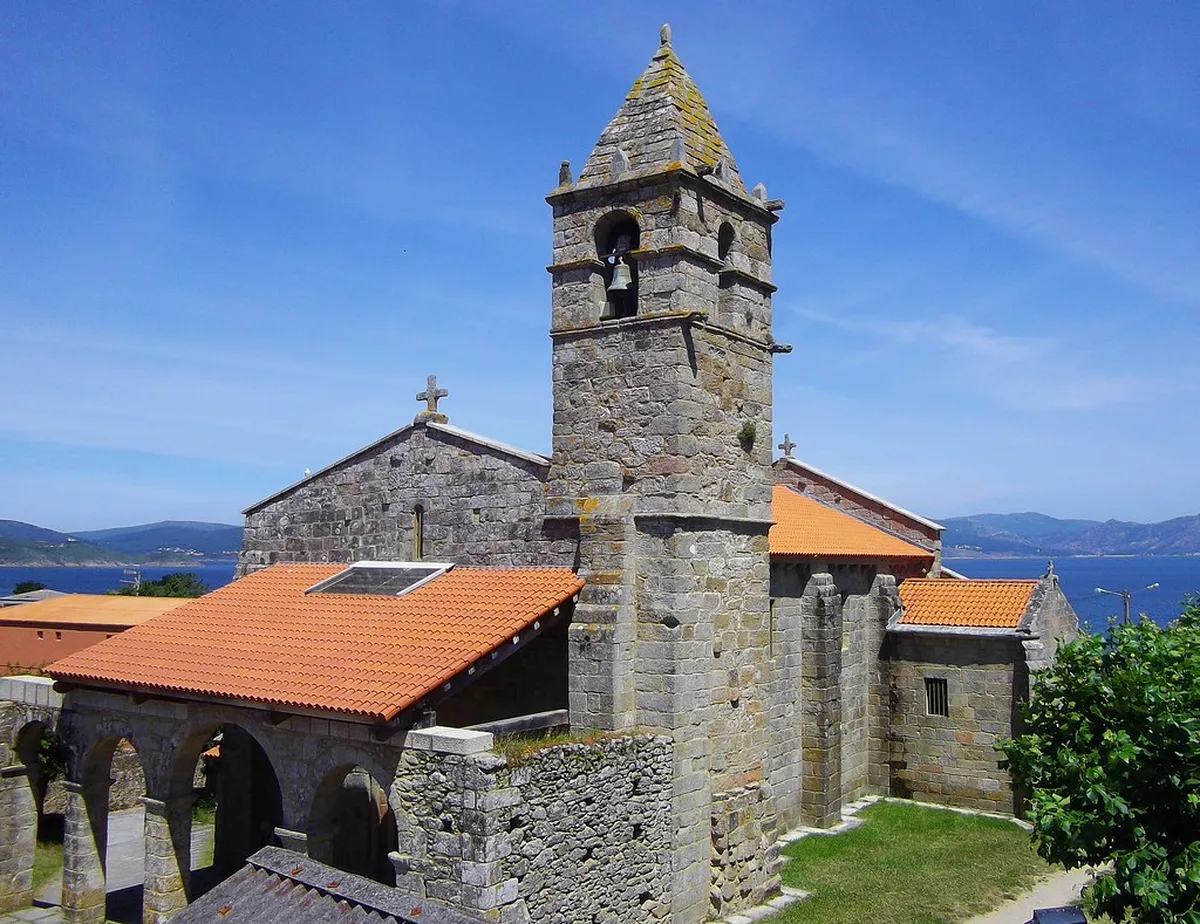
Table of Contents
Explore the Enduring Beauty of Romanesque A Coruña Architecture
A Coruña boasts a fascinating architectural heritage. Romanesque architecture forms a significant part of this history. This guide explores its unique characteristics. You will discover prominent Romanesque buildings in 2025. Plan your visit to this historic Spanish city. Learn more about A Coruña's diverse architecture. The city offers many beautiful sights.
Understanding Romanesque Style in A Coruña
The Romanesque period in A Coruña spans centuries. It emerged after the Roman era. This style features robust, monumental structures. Churches were often built for defensive purposes. Thick walls and small windows are common.
Galician Romanesque architecture has distinct characteristics. Local stone, especially granite, defines many buildings. The style evolved from the 11th to the 13th centuries. It often incorporates Celtic influences. Learn more about identifying Galician Romanesque features.
A Coruña's coastal location influenced building. Churches served both spiritual and community roles. They were central to medieval life. Their design reflects both faith and practicality.
Rounded arches are a hallmark of Romanesque design. Barrel vaults often support heavy roofs. Simple, geometric decorations are typical. These elements create a sense of solidity. Discover various A Coruña church architecture styles.
Key Romanesque Churches to Visit in A Coruña
A Coruña offers several impressive Romanesque churches. They showcase the region's rich history. Many are located in the Old Town. These sites provide a glimpse into medieval life.
Church of Santiago (Iglesia de Santiago): This is A Coruña's oldest church. It stands as a prime Romanesque example. Construction began in the 12th century. The interior features beautiful sculpted capitals. Its main facade boasts a prominent rose window. The portal displays intricate carvings. This church is a must-see for visitors. It represents classic A Coruña Romanesque architecture.
Church of Santa María del Campo: This former collegiate church is another gem. Its origins trace back to the 13th century. It features a robust bell tower. The portico contains detailed sculptural work. The church houses the Museum of Sacred Art. Visitors can explore religious artifacts there. Check opening hours for 2025. Consider a guided architecture tour.
Church of San Jorge: While modified, San Jorge retains Romanesque foundations. It offers interesting historical layers. The original structure dates back to the 13th century. Later additions are also visible. Find these locations on an A Coruña architecture map.
Tracing Romanesque Roots and Legacy
The Romanesque influence extends beyond churches. Ancient fortifications sometimes bear similar traits. The style often reflects a need for defense. This was crucial for coastal cities like A Coruña.
While primarily Roman, the Tower of Hercules predates Romanesque design. However, its enduring solidity shares a similar spirit. Its ancient presence shaped later building practices. Builders learned from its strength and permanence.
A Coruña's old city walls show resilience. Many medieval structures used local granite. This material ensured durability. Romanesque builders perfected its use. Explore A Coruña's defensive structures for more.
The Romanesque period laid architectural groundwork. It prepared the city for future developments. Later styles adapted these robust foundations. A Coruña's urban fabric grew from these origins. Understanding these roots enriches your visit. It reveals how the city developed. Each stone tells a part of A Coruña's story.
Planning Your Romanesque Architecture Tour for 2025
💡 Pro Tip: Book your Madrid adventures in advance through Viator for the best deals!
Visiting A Coruña's Romanesque sites is rewarding. Plan your itinerary to maximize your experience. Most key sites are walkable. The Old Town is perfect for exploration.
Start your day at the Church of Santiago. Then walk to Santa María del Campo. Allow ample time for each location. Some churches may have limited visiting hours. Always check ahead for 2025 schedules.
Consider the best time of year to visit. Spring and early autumn offer pleasant weather. Fewer crowds make for a calmer experience. Summers can be busy with tourists.
Wear comfortable shoes for walking cobblestone streets. Many areas are pedestrian-friendly. Bring a camera for stunning photos. Discover other free architectural sights. Learn more from this comprehensive guide to A Coruña.
Identifying Galician Romanesque Features
Recognizing Romanesque elements enhances appreciation. Look for specific architectural details. These features tell a story of the era. They distinguish the style from others.
- Rounded Arches: These are the most obvious sign. They appear in doorways, windows, and arcades. Romanesque arches are typically semicircular.
- Thick Walls and Small Windows: Churches have substantial walls. This design provided stability and defense. Windows were often small and few. This kept interiors cool and dark.
- Barrel Vaults: Many Romanesque churches use these. They are semi-cylindrical ceilings. Groin vaults also became popular. These support heavy stone roofs effectively.
- Sculptural Decoration: While often simple, carvings are present. Capitals on columns feature geometric or plant motifs. Sometimes, figures of saints or mythical beasts appear. Learn more about specific Galician Romanesque features.
Local Stone: Granite is a prevalent material in Galicia. Its use gives buildings a distinctive look. The color and texture vary. This local touch defines A Coruña Romanesque architecture.
Frequently Asked Questions
What are the main characteristics of Romanesque architecture in A Coruña?
A Coruña Romanesque architecture features thick stone walls. It includes rounded arches over doors and windows. Robust bell towers are also common. Buildings often use local granite as a primary material. These elements create a sense of solidity and strength. Discover more about Galician Romanesque style.
Which is the oldest Romanesque church in A Coruña to visit?
The Church of Santiago is A Coruña's oldest Romanesque church. It dates back to the 12th century. This historic site is in the Old Town. It features intricate carvings and a beautiful rose window. Explore its history and design. Find it on an A Coruña architecture map.
Are there any costs associated with visiting Romanesque sites in A Coruña?
Most Romanesque churches in A Coruña are free to enter. Donations are often welcomed. Some may charge a small fee for specific exhibits. Always check specific church websites for 2025. This ensures you have current information. Learn more about A Coruña church architecture.
A Coruña's Romanesque architecture offers a journey through time. Its sturdy churches and historical remnants tell a powerful story. You can easily explore these enduring structures. Immerse yourself in the city's medieval past. Plan your architectural adventure for 2025. Uncover these hidden architectural gems. Consider booking A Coruña architecture tours to enhance your visit.
Key Takeaways
- A Coruña boasts significant Romanesque architecture, primarily churches.
- Look for rounded arches, thick stone walls, and local granite.
- The Church of Santiago and Santa María del Campo are must-visits.
- Plan your 2025 visit for spring or early autumn for ideal conditions.
- Many Romanesque sites are free to enter and walkable.