
Discover A Coruña's Baroque Buildings: A Grand Tour
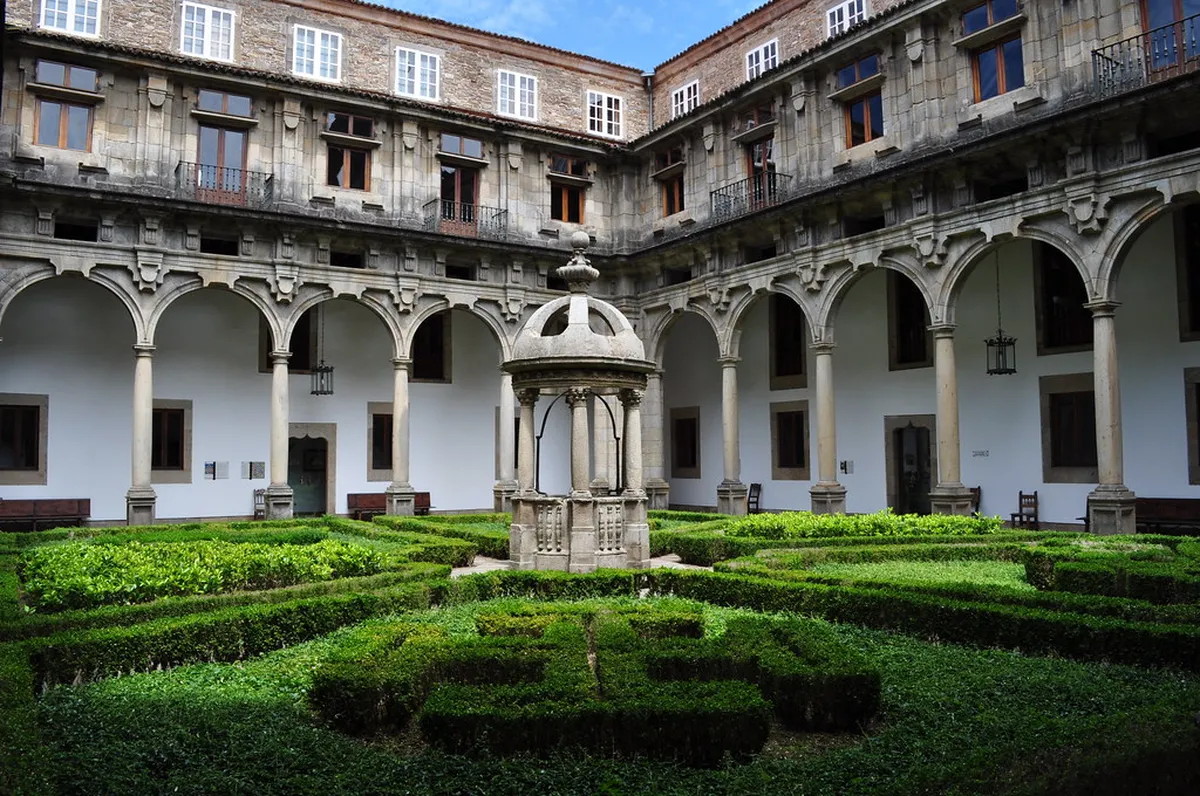
Table of Contents
Explore Grand Baroque Architecture in A Coruña
A Coruña, a jewel of Galicia, boasts a diverse architectural heritage. Among its many styles, Baroque buildings in A Coruña truly captivate visitors. They showcase an era of opulence, drama, and intricate design. This guide will help you uncover their unique beauty. You will learn about their historical significance and key features.
The 17th and 18th centuries saw a significant artistic flourishing. Many religious structures received stunning Baroque makeovers. This rich architectural period left an indelible mark on the city. Prepare to be inspired by these magnificent and expressive designs. They tell stories of faith, power, and artistic innovation.
Understanding Galician Baroque Architecture
Baroque architecture, emerging from Italy, swept across Europe. It was characterized by grandeur, emotional intensity, and elaborate ornamentation. In Galicia, this style developed unique regional characteristics. It often utilized the abundant local granite stone. This gave it a robust and distinctive appearance.
This period, roughly from the late 17th to the mid-18th century, transformed many structures. It moved away from the classical restraint of the Renaissance. Architects favored undulating lines, dramatic light effects, and sculptural facades. The aim was to create awe-inspiring spaces. These spaces would evoke spiritual devotion and power.
Galician Baroque often features strong contrasts and intricate details. You will notice highly decorated altarpieces, known as retablos. Exterior facades boast carved pilasters, statues, and shell motifs. This style frequently incorporated elements of the Churrigueresque. This particular Spanish variant is known for extreme ornamentation. Many churches, like those incorporating earlier Romanesque foundations, were updated. Look closely for these unique elements throughout your exploration of A Coruña.
The use of dark granite against lighter elements creates a dramatic effect. This provides depth and texture to the facades. This local adaptation is a hallmark of the region. It distinguishes Galician Baroque from other European examples. Understanding these nuances enriches your appreciation. You can trace its evolution on an A Coruña architecture map.
The Magnificent Church of San Jorge
The Church of San Jorge (Saint George) stands as a prominent Baroque masterpiece. It is nestled within A Coruña's historic old town. This beautiful parish church showcases exceptional Baroque design elements. Its construction commenced in the late 17th century. It continued into the early 18th century.
Its main facade is undeniably striking and commands attention. You will observe elaborate sculptural work, ornate pilasters, and decorative motifs. The central niche typically houses a statue of Saint George. This figure often appears slaying the dragon. The intricate design draws the eye upward. It embodies the theatrical and dynamic spirit of the Baroque style.
Step inside, and the church reveals even more wonders. Grand altarpieces, meticulously carved from wood, dominate the interior spaces. These are frequently gilded with gold. They present incredibly detailed scenes and figures. Visiting the Church of San Jorge offers a profound immersion into Baroque religious artistry. It serves as an active place of worship.
Practical Information for 2025: Entry to the church is generally free of charge. Opening hours are usually 10:00 AM - 1:00 PM and 5:00 PM - 8:00 PM. Always confirm times locally, as they can change. The church is conveniently located near the iconic Plaza de María Pita. This makes it an essential and accessible stop on any tour.
Insider Tip: Pay close attention to the small decorative elements. Look for intricate cherubs, flowing garlands, and scallop shell motifs. These are all characteristic hallmarks of the Baroque period. They add layers of symbolism and beauty. The vibrant atmosphere truly brings the history to life.
Discovering the Convent of Santo Domingo
Another unmissable Baroque treasure is the Convent of Santo Domingo. This historic Dominican convent possesses a rich and lengthy history. Its present structure features significant and beautiful Baroque additions. You will find it gracefully positioned within the ancient city walls. It offers a peaceful contrast to the bustling city.
The convent's church facade serves as an excellent case study. It proudly displays classic Galician Baroque ornamentation. Expect to see detailed stone carvings, dynamic architectural forms, and compelling symmetry. Notice the masterful interplay of light and shadow on its surface. This design choice cleverly creates a sense of movement. It adds dramatic flair to the exterior.
Beyond its impressive facade, the interior holds further artistic marvels. Ornate altars and beautifully decorated chapels reflect the Baroque style. A wealth of religious artworks and sculptures are housed within its walls. These contribute to the profound spiritual atmosphere. Consider attending a Sunday service. This provides a truly unique cultural and historical experience.
Visitor Information for 2025: The Convent of Santo Domingo remains an active religious site. Its church is typically open to the public. Operating hours generally run from 9:30 AM - 1:30 PM and 4:30 PM - 7:30 PM. It is situated at Calle de la Maestranza. This location is ideal for exploring historic religious architecture. Combine your visit with a walk along the nearby defensive city walls for a full historical immersion.
Historical Context: The convent played a vital role in A Coruña's history. It served as a spiritual and cultural hub for centuries. Its Baroque transformation reflected the Dominicans' influence. This period saw widespread investment in religious art and architecture. These structures endure as testaments to that era.
Key Baroque Elements in A Coruña's Old Town
🎯 Insider Tip: Discover the best Madrid experiences with Viator Tours!
While full-scale Baroque buildings might seem limited, their influence is widespread. You can discover intricate Baroque elements in various older structures. Take time to look closely at decorative portals on private residences. Some even boast beautifully carved and ornate balconies. These details reveal a hidden architectural layer.
Strolling through the narrow, winding streets of the Ciudad Vieja is rewarding. Keep an eye out for meticulously carved coats of arms. These often adorn the facades of aristocratic family homes. Many date back to the 17th and 18th centuries. They subtly indicate the status and lineage of former inhabitants. Many incorporate classic Baroque styling with great finesse.
A Coruña's rich architectural tapestry often blends styles. Even later Neoclassical architecture sometimes incorporates Baroque remnants. Earlier Baroque details were preserved during subsequent renovations. This creates unique hybrid styles throughout the city. A Coruña's long history means layers of design. Each era left its distinctive mark.
Exploring the old city feels like wandering through an open-air museum. Every corner may reveal a new Baroque detail. Look for curved pediments, broken arches, and twisted columns. These are all characteristic features of the style. Understanding these details enhances your appreciation. Consider joining a specialized architecture tour for expert insights. This will help you spot even more subtle elements.
Planning Your 2025 Architectural Itinerary
Planning a visit to A Coruña in 2025 promises a fantastic architectural adventure. Focus your exploration on the Ciudad Vieja (Old Town) district. Most of the significant Baroque structures are concentrated here. Be sure to wear comfortable footwear for navigating the charming cobblestone streets. It is the best way to explore at your own pace.
The ideal time to visit is during spring (April-June) or early autumn (September-October). The weather during these months is generally very pleasant. You will also encounter significantly smaller crowds than in peak summer. Aim for weekdays if possible. This often ensures better access for viewing church interiors. Always verify official websites for the most current opening hours.
Enhance your Baroque exploration by combining it with other styles. A Coruña proudly features stunning Modernist buildings. You will also discover exquisite Art Nouveau facades. The city's iconic glass galerías are a must-see, offering a distinct local charm. This diverse architectural blend makes A Coruña a truly unique destination for all architecture enthusiasts.
Budget and Time Tips for 2025: Most Baroque churches and historical facades offer free entry. If you opt for a guided tour, expect costs between €10-€20 per person. Allocate ample time for each site you wish to fully appreciate. A full day or even two is ideal for a comprehensive architectural experience. Remember to bring your camera to capture the stunning details. Enjoy the rich historical atmosphere.
Beyond Baroque: While focusing on Baroque, remember A Coruña's broader architectural appeal. From ancient Roman structures like the Tower of Hercules to contemporary designs, it offers a complete journey. Exploring the various eclectic styles will reveal the city's continuous evolution. Every block tells a different part of the story.
Frequently Asked Questions
💡 Pro Tip: Book your Madrid adventures in advance through Viator for the best deals!
What makes A Coruña's Baroque buildings distinct from other Spanish cities?
A Coruña's Baroque buildings often utilize local Galician granite stone. This gives them a robust, somewhat darker aesthetic. They blend elaborate carvings with regional influences. Other Spanish cities might feature more colorful or brick Baroque styles. Galician Baroque combines local materials with grand European flair. This creates a truly unique and powerful visual impact. It highlights the distinct local building materials.
Are there any specific Baroque architects known to have worked in A Coruña?
While many Baroque works were collective efforts, some notable names exist. Fernando de Casas Novoa, though primarily linked to Santiago, influenced regional styles. Local master builders often executed designs based on these broader trends. Researching A Coruña's historic architects can reveal more. However, the collective regional style often overshadows individual names.
Can I access the interiors of Baroque churches in A Coruña easily?
Yes, most Baroque churches in A Coruña welcome public visitors. It is advisable to verify their specific opening hours beforehand. Remember that services may restrict tourist access at certain times. Dress respectfully when entering any religious site. Many beautiful interiors can be seen with free entry. Plan your visit to respect local customs and worship times.
How can I best explore Baroque architecture on a tight schedule?
If time is limited, focus on A Coruña's Ciudad Vieja. Prioritize the Church of San Jorge and Convent of Santo Domingo. These offer excellent examples of the style. A quick walk through the old town reveals many other details. Consider a focused route using a city architecture map. This helps optimize your exploration and saves time.
A Coruña's Baroque buildings offer a truly fascinating journey through history. Their ornate facades, dramatic interiors, and regional character inspire awe. From the grand Church of San Jorge to the peaceful Convent of Santo Domingo, each tells a compelling story. Plan your 2025 visit to fully immerse yourself in this rich architectural heritage. Experience the grandeur and artistic ambition of Galician Baroque firsthand. For further architectural exploration, delve into A Coruña's comprehensive guide. You will discover many other styles and periods that shaped this captivating city. Start planning your unforgettable trip today!
Key Takeaways
- A Coruña's Baroque architecture features elaborate detail and local granite.
- The Church of San Jorge and Convent of Santo Domingo are essential visits.
- Explore the Ciudad Vieja for hidden Baroque elements on old buildings.
- Visit in spring or fall for ideal weather and fewer tourist crowds.
- Most Baroque churches offer free entry; check hours before you go.