
Architectural Styles in Plaza Cardenal Belluga, Murcia
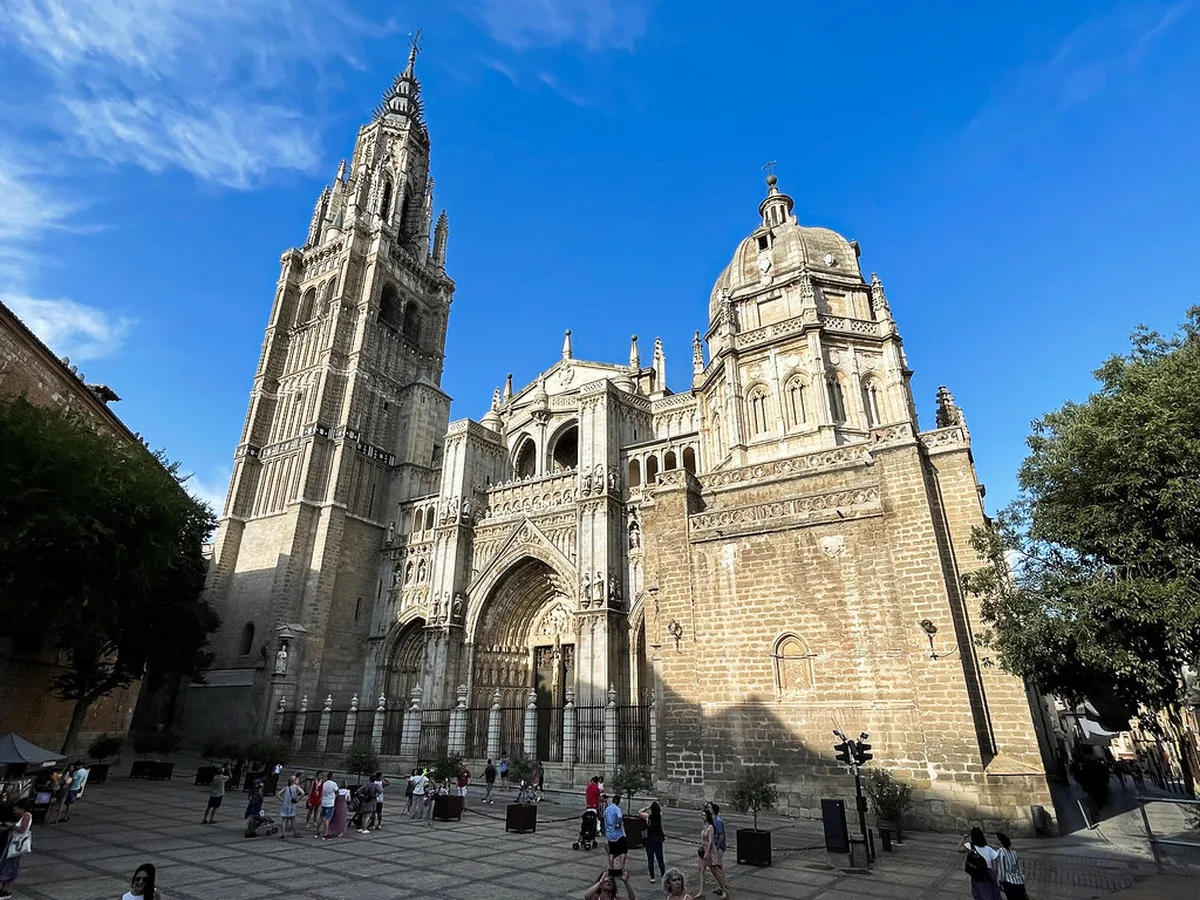
Table of Contents
Exploring Architectural Styles in Plaza Cardenal Belluga
Plaza Cardenal Belluga showcases incredible architectural styles in Plaza Cardenal Belluga. This vibrant square in Murcia, Spain, is a visual feast. You will find centuries of design history here. It is a must-see for any architecture enthusiast in 2025.
This guide explores the prominent buildings surrounding the plaza. We will uncover their unique characteristics. Prepare to be amazed by Murcia's rich heritage.
The Grandeur of Murcia Cathedral's Architecture
The Murcia Cathedral dominates Plaza Cardenal Belluga. Its main façade is a magnificent example of Murcian Baroque architecture. This intricate style emerged in the 18th century. It features dramatic curves and abundant ornamentation.
Look closely at the façade's detailed sculptures. Saints, angels, and allegorical figures adorn the portals. The Murcia Cathedral architecture truly captivates visitors. Its sheer scale and artistic ambition are breathtaking.
Inside, the cathedral blends Gothic, Renaissance, and Baroque elements. The Capilla de los Vélez is a stunning example of late Gothic. The choir stalls showcase intricate carving. Exploring its interior offers a journey through time.
Episcopal Palace: Rococo and Neoclassical Influences
Adjacent to the cathedral stands the elegant Episcopal Palace. This building features a beautiful Rococo façade. It contrasts with the cathedral's more imposing Baroque style. The palace was completed in the late 18th century.
Its pastel pink and white exterior is truly charming. Delicate carvings and balanced proportions define its design. The central courtyard reveals Neoclassical elements. This blend creates a unique visual harmony.
The palace served as the residence for the Bishop of Cartagena. Its ornate interior once housed grand receptions. Visitors can appreciate its refined beauty from the plaza. It represents a softer, more intimate architectural approach. Consider visiting its interior during special open days.
Murcia City Hall Annex: A Contemporary Statement
Across the plaza, the Murcia City Hall Annex offers a modern contrast. This building showcases contemporary architectural styles. It was designed by Rafael Moneo and completed in 1998. Its sleek lines stand out amongst historic structures.
The annex uses glass and steel materials. Its design respects the scale of the surrounding buildings. Yet, it clearly belongs to the 21st century. It represents an interesting clash of design aesthetics. This juxtaposition highlights architectural evolution.
This modern addition sparks discussion about urban planning. It shows how new structures can integrate with old ones. The annex serves as administrative offices today. Its presence adds another layer to the plaza's visual story.
Exploring Architectural Harmony in the Plaza
💡 Pro Tip: Book your Murcia adventures in advance through Viator for the best deals!
Plaza Cardenal Belluga is more than just individual buildings. It's a cohesive urban space. The different architectural styles in Plaza Cardenal Belluga complement each other. They create a dynamic historical narrative. This makes the plaza a living museum of design.
Take time to observe how light plays on each facade. The changing sun emphasizes different details. Morning light highlights the cathedral's carvings. Evening glow softens the palace's Rococo elements. The plaza offers endless photographic opportunities.
Consider joining a Murcia architecture walking tour. A guided visit can reveal hidden insights. Learn about the master builders and their visions. The history behind these structures is fascinating.
Frequently Asked Questions
What are the main architectural styles seen in Plaza Cardenal Belluga?
The plaza prominently features Baroque, Rococo, and contemporary styles. The Murcia Cathedral exemplifies Murcian Baroque. The Episcopal Palace shows Rococo and Neoclassical influences. The City Hall Annex is a striking example of modern design.
When is the best time to visit Plaza Cardenal Belluga in 2025?
Spring (April-June) and Fall (September-October) offer pleasant weather. These months are ideal for exploring on foot. Consider visiting early morning or late afternoon. This avoids crowds and harsh midday sun. Check opening hours for specific buildings like the Murcia Cathedral.
Are there any entrance fees for buildings in the plaza?
Entry to the Murcia Cathedral typically has a small fee. This fee helps with its preservation. The Episcopal Palace is generally not open to the public daily. However, you can admire its exterior for free. The City Hall Annex is also mostly administrative. Always check current entry fees and hours for 2025 before visiting.
Plaza Cardenal Belluga stands as a testament to Murcia's rich history. Its diverse architectural styles tell compelling stories. From Baroque grandeur to modern minimalism, the plaza truly has it all. Plan your visit to experience this unique architectural blend in 2025.
Discover the beauty and history firsthand. Let the buildings inspire your next architectural adventure. This plaza is a highlight of any Murcia trip.
Key Takeaways
- Plaza Cardenal Belluga showcases Baroque, Rococo, and modern architecture.
- The Murcia Cathedral is a prime example of Murcian Baroque style.
- The Episcopal Palace blends Rococo elegance with Neoclassical features.