
Murcia Historic Bridges: An Architectural Walking Tour Guide
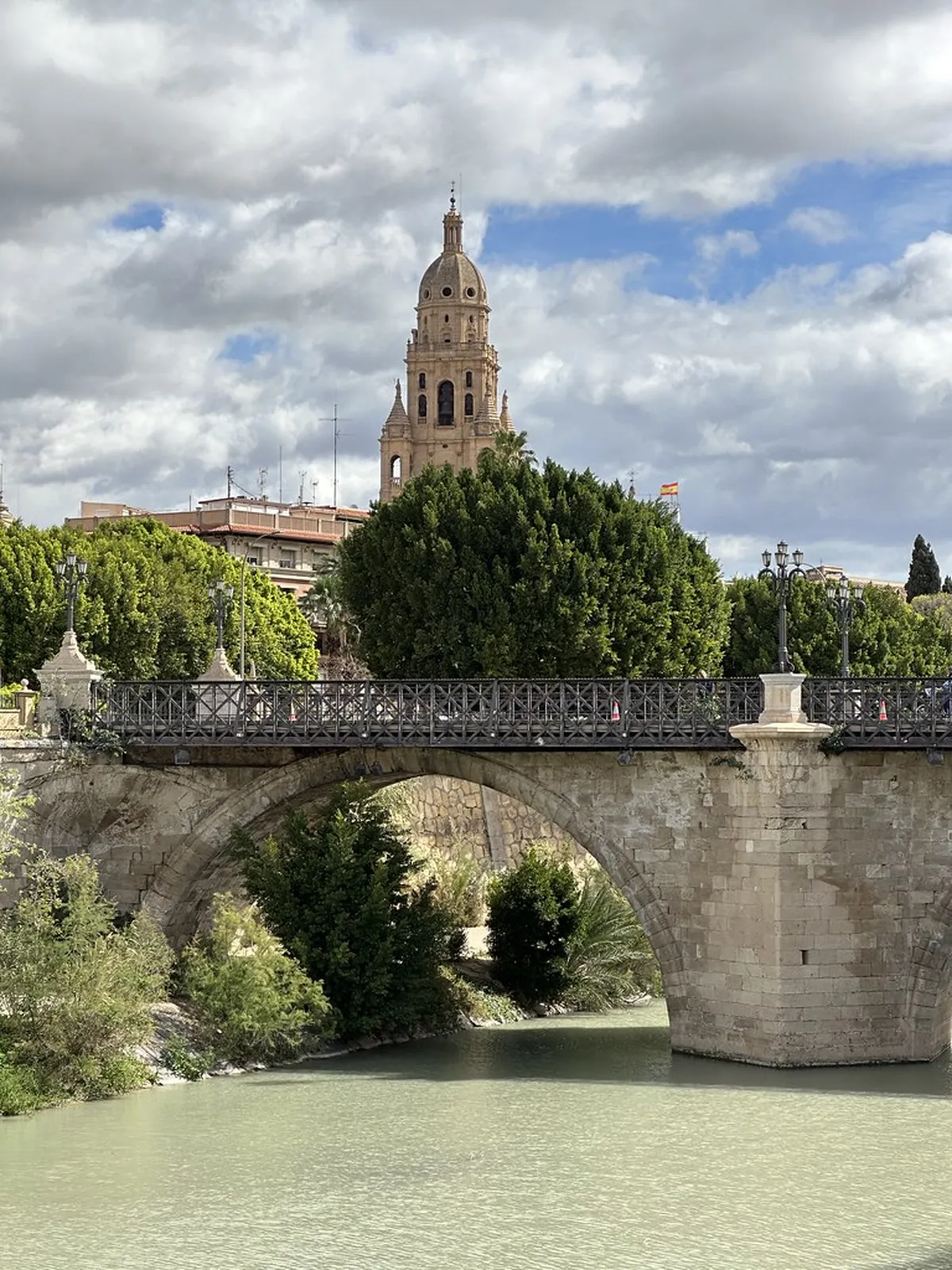
Table of Contents
Discover Murcia's Historic Bridges: Segura River Crossings
Murcia, a vibrant city in southeastern Spain, boasts a rich history. The Segura River flows directly through its heart. This river has shaped the city's development over centuries. Its historic bridges are more than just crossings; they are architectural landmarks.
These bridges connect the city's past with its present. They offer unique insights into Murcia's engineering and artistic heritage. Exploring them provides a fascinating journey. You can learn more about Murcia's diverse architecture on a dedicated tour. Get ready to discover the stories held within these ancient structures.
Puente de los Peligros: Murcia's Iconic Old Bridge
The Puente de los Peligros, or Old Bridge, stands as Murcia's most iconic crossing. Its full name is Puente de Nuestra Señora de los Peligros. This bridge has graced the Segura River since the 18th century. It connects the city center to the Barrio del Carmen.
Construction began in 1718 and finished in 1742. Martín de Aldehuela designed this impressive structure. He was a celebrated architect from Murcia. The bridge features seven graceful arches. These arches showcase the architectural prowess of the era. The materials used include strong stone and brick.
At one end stands a small, revered chapel. It houses the Virgen de los Peligros. This religious figure is highly significant to locals. Many passersby pause to offer a quick prayer. The bridge is a prime example of Murcia's beautiful Baroque architecture. Its elegant design complements the nearby Episcopal Palace.
Visitors can easily access the bridge on foot. It remains a pedestrian-friendly landmark. Crossing it offers stunning views of the river. You can also see the famous Murcia Cathedral from its vantage points. The bridge is a central point for any Murcia architectural walking tour. Exploring its details reveals much about Murcia's history.
Puente Nuevo: The Iron Bridge’s Engineering Marvel
Murcia's Puente Nuevo, or New Bridge, offers a striking contrast. It is also known as the Puente de Hierro, or Iron Bridge. This structure was completed in 1903. It represents a significant leap in engineering for its time.
José María Ortiz designed this innovative bridge. It features a robust metal structure. The bridge spans 60 meters across the Segura River. Its construction marked a period of rapid industrial progress. This iron bridge connected new city expansions. It was a vital artery for early 20th-century Murcia.
The Puente Nuevo’s design is a testament to early modern architecture. It showcases a blend of functionality and aesthetics. Its riveted iron girders are a fascinating detail. This type of construction was revolutionary. Visitors can appreciate the sturdy craftsmanship. You can learn more about modernist architecture in Murcia here. It is different from the city’s older buildings.
Today, the Puente Nuevo remains an active road bridge. It carries both vehicles and pedestrians. Walking across it provides excellent views. You can see the old town and the newer parts of Murcia. It's a great spot for architecture photography. The contrast with Puente de los Peligros is quite striking. Both bridges tell unique stories of Murcia's development.
Other Notable Bridges and River Crossings
While the Puente de los Peligros and Puente Nuevo are most famous, Murcia has other significant crossings. The city's growth necessitated more ways to traverse the Segura. These bridges often reflect different periods of urban development. They connect various districts effectively.
The Puente de la Fica is a modern concrete bridge. It serves as an important traffic route. This bridge was built much later. It helps manage the city's contemporary traffic flow. Its design is more utilitarian. However, it still plays a crucial role in Murcia's urban planning. New pedestrian bridges also improve connectivity.
Another interesting crossing is the Puente de Manterola. This newer bridge features a striking design. It adds to the city's evolving architectural landscape. It provides excellent pedestrian access. These structures show Murcia's continuous adaptation. They combine old charm with new infrastructure. Discover more about contemporary Murcia buildings and their impact. The riverfront continues to be an area of development.
Planning Your Historic Bridge Walking Tour in Murcia (2025)
⭐ Recommendation: Don't miss out on amazing Murcia tours - book now!
Embarking on a bridge walking tour is a great way to experience Murcia in 2025. This activity offers both exercise and historical immersion. Start your tour at the Puente de los Peligros. You can easily reach it from the city center. This allows you to appreciate its grandeur first.
From there, walk along the riverbanks towards the Puente Nuevo. The distance is easily manageable on foot. Allow about 1 to 2 hours for a leisurely pace. This includes time for photos and observations. Wear comfortable shoes for walking. The pathways are generally flat and well-maintained.
Consider visiting in spring or fall for the best weather. Temperatures are pleasant during these seasons. You can find many cafes along the river for a refreshment break. The river walk is also home to various parks. These spots provide perfect resting points. This makes the experience even more enjoyable.
Combine your bridge tour with visits to nearby landmarks. The Episcopal Palace is right next to Puente de los Peligros. The Real Casino de Murcia is also a short walk away. This tour provides a comprehensive look at Murcia’s urban fabric. It highlights the city's blend of history and modernity. Check Murcia's architecture map for other points of interest along the route.
Frequently Asked Questions
What is the most famous historic bridge in Murcia?
The Puente de los Peligros is Murcia's most renowned historic bridge. It is often simply called the Old Bridge. This elegant 18th-century structure crosses the Segura River. It is a prime example of Baroque architecture. Its history is deeply intertwined with the city's past. Learn more about the architecture of Puente de los Peligros.
How long does a walking tour of Murcia's bridges take?
A walking tour covering the main historic bridges, like Puente de los Peligros and Puente Nuevo, typically takes 1 to 2 hours. This estimate allows for stops. You will have time to take photos and read information. The route along the river is very pleasant. Discover more about walking across the Puente Nuevo.
Are Murcia's historic bridges accessible for all visitors?
Most of Murcia's historic bridges, including the Puente de los Peligros and Puente Nuevo, are accessible. They have wide walkways suitable for pedestrians. The riverfront paths leading to them are also generally flat. This makes them accessible for most visitors. Always check specific ramp availability for mobility aids. Murcia strives for inclusive tourism. Explore other accessible Murcia landmarks.
Murcia's historic bridges offer a captivating journey through time. From the Baroque elegance of Puente de los Peligros to the iron strength of Puente Nuevo, each tells a story. They are essential elements of the city's architectural identity. These crossings showcase centuries of engineering and design.
Visiting these structures provides a deeper appreciation for Murcia. Plan your walking tour in 2025 to experience them firsthand. Don't miss these important landmarks. Dive into the rich history of the Segura River. Explore more of Murcia's stunning architectural gems.
Key Takeaways
- Puente de los Peligros is Murcia's oldest and most iconic bridge, built in the 18th century.
- The Puente Nuevo (Iron Bridge) represents early 20th-century engineering and modernist design.
- A walking tour of Murcia's main bridges takes 1-2 hours and is best enjoyed in spring or fall.