
Discover Punic Architecture in Ibiza Town This 2025
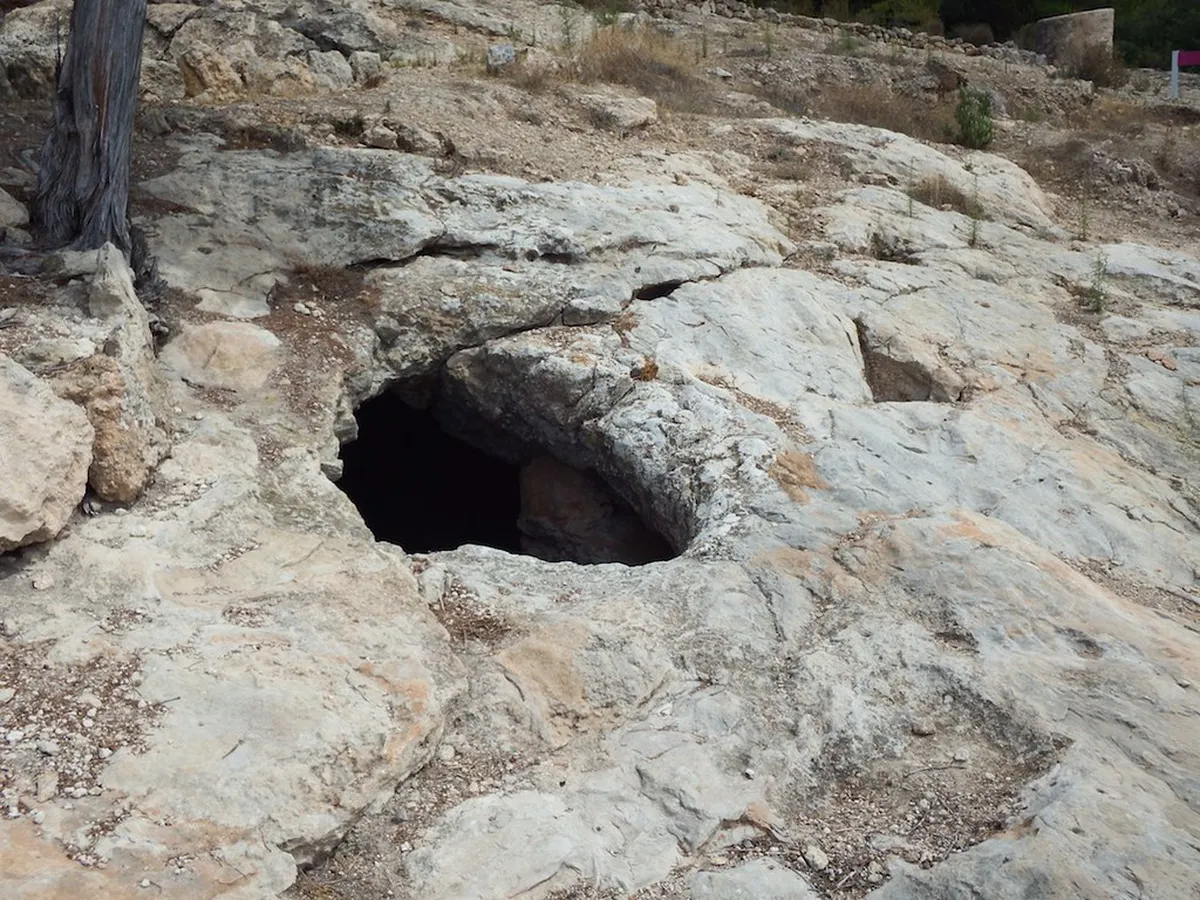
Table of Contents
Unearthing Punic Architecture in Ibiza Town
Ibiza Town holds a rich, ancient past. Its historical layers reveal fascinating cultures. Among them, Punic architecture stands out prominently. These structures offer a glimpse into Ibiza's early days. The Punic civilization shaped much of the island's identity. Understanding their buildings helps us appreciate Ibiza's unique heritage. For a deeper dive into the island's past, explore our Ibiza Town architecture guide.
This guide uncovers the secrets of Punic architecture. We will explore key sites and their historical significance. Prepare to journey back in time to ancient Ibiza. Discover the enduring legacy of this powerful civilization. Learn about the Punic influence on Dalt Vila's architectural history.
The Ancient Origins of Punic Ibiza
The Phoenicians first arrived in Ibiza around 654 BC. They established a vital trading post. Later, Carthage, a Punic city, took control. This era marked a significant period for the island. Punic influence shaped its early urban planning.
Ibiza became a strategic Carthaginian stronghold. Its sheltered harbor offered excellent protection. The Punic people introduced new building techniques. They also brought advanced agricultural methods. These innovations laid foundations for future development.
Early Punic settlements focused on defense and trade. Stone construction was common for important structures. Homes were often simpler, built with local materials. These early designs show practicality and resourcefulness. For more on building materials, see our Ibiza building materials guide.
The Punic era also saw a rise in craftsmanship. Ceramics and funerary art flourished. Many artifacts are now housed in local museums. These objects offer precious insights into their lives. They reflect a sophisticated ancient culture.
Puig des Molins: Ibiza's Punic Necropolis
The Puig des Molins Necropolis is a must-visit site. It represents the best of Punic ruins in Ibiza. This ancient burial ground holds thousands of tombs. It was used from the 7th century BC until the Roman period.
Visitors can explore underground burial chambers. Many tombs are carved directly into rock. The necropolis provides invaluable insights. It reveals Punic funerary practices and beliefs. The site includes an excellent archaeological museum.
The museum showcases artifacts found in the tombs. Expect to see pottery, jewelry, and amulets. It helps piece together the Punic way of life. The entry fee is around €2.40 for adults in 2025. It is usually open Tuesday to Sunday. Check current hours before your visit to Puig des Molins.
The site is located just outside Dalt Vila's walls. Plan for at least two hours to explore fully. Wear comfortable shoes for walking. This UNESCO World Heritage site is truly remarkable. It tells a powerful story of ancient Ibiza.
Dalt Vila's Enduring Punic Legacy
Ibiza's historic walled city, Dalt Vila, began as a Punic settlement. The original city layout followed Punic urban planning. Its strategic hilltop position offered natural defenses. This foundation shaped the city's future growth.
While Roman and Renaissance structures dominate today, Punic roots remain. Archaeological excavations reveal older layers. You might discover ancient Punic foundations beneath later buildings. These hidden elements tell a silent story.
Some sections of the oldest city walls might incorporate Punic construction. Although heavily rebuilt, the defensive purpose endures. The original harbor area also reflects Punic planning. Its design prioritized trade and protection. Learn more about defensive architecture in Ibiza.
Wandering through Dalt Vila offers glimpses into its past. Imagine the Punic inhabitants navigating these same slopes. Their initial urban vision is still tangible. It forms the very bedrock of this historic city. Explore more architectural details in Dalt Vila.
Practical Tips for Visiting Punic Sites in 2025
⭐ Recommendation: Don't miss out on amazing Ibiza tours - book now!
Visiting Ibiza's Punic sites is a rewarding experience. The main attraction is the Puig des Molins Necropolis. It is open most days, but verify times online for 2025. Guided tours are often available to enhance your visit.
Consider an early morning visit to avoid crowds and heat. Especially during summer months, this is advisable. Wear sturdy shoes, as you will be doing a lot of walking. Sunscreen and water are also essential for comfort.
The Archaeological Museum of Ibiza is part of the necropolis site. It provides crucial context for the ruins. Allow extra time to fully appreciate its exhibits. You will learn about Punic daily life and rituals.
For those interested in deeper exploration, look for specialized tours. Some local guides offer historical walking tours. They focus on Ibiza's ancient past. These can provide unique insights into the Punic era. Discover architectural walking tours available.
Remember that many Punic remnants are subtle. They might be foundations or pottery fragments. Keep an open mind and appreciate the historical layers. This journey through time is incredibly enriching. It connects you to Ibiza's earliest inhabitants.
Frequently Asked Questions
What are the most significant examples of Punic architecture in Ibiza Town?
The most significant example is the Puig des Molins Necropolis. It features thousands of rock-cut tombs. The site provides a direct link to ancient Punic burial practices. While visible structures are limited, Dalt Vila’s foundation also has Punic origins. You can discover more through historical city tours.
How did the Punic people influence Ibiza's urban planning?
The Punic people chose Ibiza Town's strategic hilltop for their settlement. This established the initial urban layout of Dalt Vila. Their focus on defense and trade shaped the city's early development. They also introduced advanced infrastructure. This ancient urban planning is a cornerstone of Ibiza's urban history.
Are there any preserved Punic houses or temples in Ibiza Town?
No fully preserved Punic houses or temples exist above ground. Most visible Punic architecture consists of tombs. These are primarily found at the Puig des Molins Necropolis. Some archaeological digs have uncovered Punic foundations. These are beneath later Roman or medieval structures.
What artifacts were discovered from Punic architectural sites?
Numerous artifacts have been found at Punic sites, especially necropolises. These include ceramic vessels, terracotta figurines, and jewelry. Personal items like amulets and bronze mirrors are also common. These finds offer rich details about Punic culture. You can view many at the Puig des Molins museum.
Punic architecture in Ibiza Town offers a compelling journey. It takes visitors deep into the island's ancient past. The Necropolis of Puig des Molins is a powerful testament. Its tombs whisper stories of a bygone era. Discovering these sites connects you to Ibiza's foundational history. For more on Ibiza's diverse building styles, visit Architect Tourist.
Plan your visit to these incredible historical sites. Immerse yourself in the rich Punic heritage. These ancient remnants reveal Ibiza's timeless allure. Explore further to appreciate the island's full architectural tapestry. Consider an Ibiza Town architecture guide to enhance your experience.
Key Takeaways
- The Puig des Molins Necropolis is the primary Punic architectural site in Ibiza.
- Dalt Vila's foundation and original layout have Punic origins, despite later reconstructions.
- Visit the Archaeological Museum at Puig des Molins for rich artifact displays.
- Punic architecture focuses on practicality, defense, and burial practices.
- Plan your 2025 visit to include comfortable shoes and plenty of water.