
Ibiza Building Materials Guide 2025: Traditional & Modern
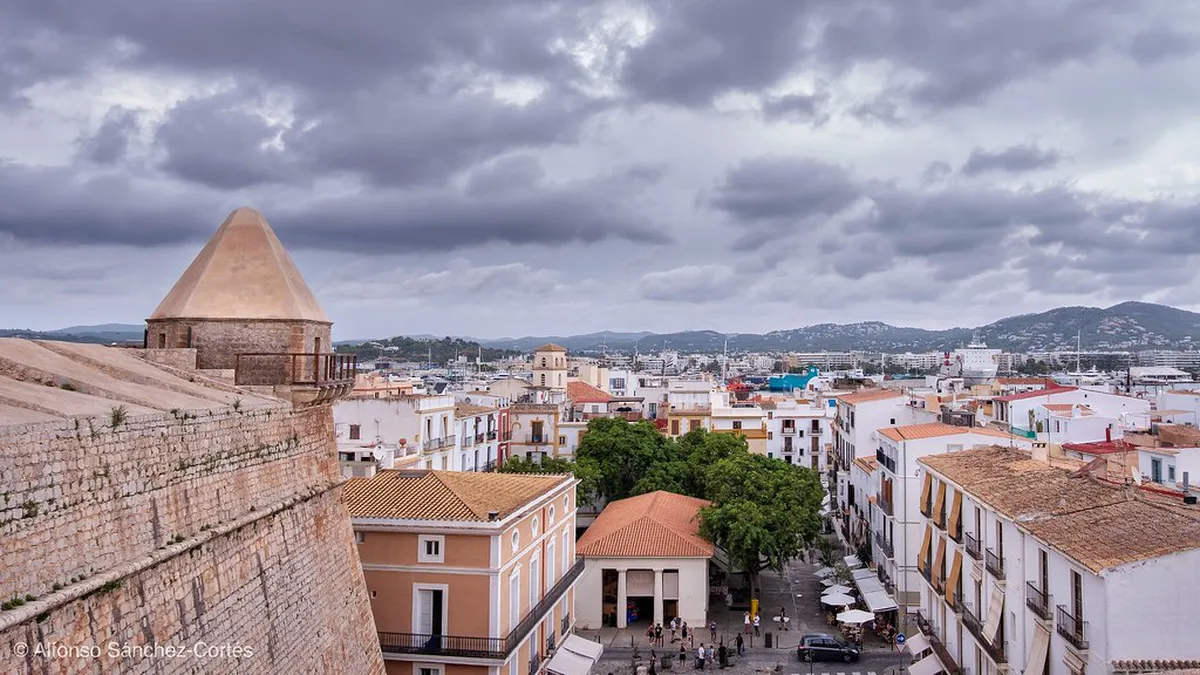
Table of Contents
Explore Ibiza Building Materials: An Architect's Guide
Ibiza boasts a unique architectural identity. Its buildings reflect centuries of history and a deep connection to the land. Understanding Ibiza building materials reveals the island's soul. This guide explores both traditional and modern construction choices for 2025.
From ancient Dalt Vila to contemporary villas, materials tell a story. You'll discover what makes Ibiza homes so distinctive. Learn about the resources that shaped this beautiful island. Explore the architectural guide to Ibiza Town for a broader view. Also, delve into Dalt Vila's architectural history.
The Foundation of Ibiza: Traditional Building Materials
Ibiza's traditional architecture relies on local resources. Stone, wood, and lime were readily available. These materials created durable, climate-adapted structures. They define the timeless aesthetic of the island's buildings.
Local stone, known as marrés, forms the bedrock of many structures. This sandstone is strong and beautiful. It was quarried directly from the island's landscape. Discover more about traditional construction materials used in Ibiza.
Dry stone walls are another common sight. They protect fields and delineate property. These walls require no mortar, relying on careful stacking. Their construction showcases ancient building knowledge.
Many historic homes, or traditional Ibizan fincas, use these methods. These materials provide natural insulation. They keep interiors cool in summer and warm in winter. Their use ensures longevity and blends with the environment. Explore architectural details in Dalt Vila.
Whitewashed Wonders: Iconic Finishes of Ibiza
The brilliant whitewash is Ibiza's most recognizable feature. This simple lime-based coating covers almost every traditional building. It creates a stunning contrast against the blue sky and green landscape. The practice dates back centuries.
Whitewashing offers practical benefits beyond beauty. The white surface reflects sunlight effectively. This keeps interiors significantly cooler during hot summers. It also acts as a natural disinfectant. Learn more about the whitewashed houses of Ibiza.
The lime wash is typically applied yearly. This fresh coat maintains the crisp appearance. It also protects the underlying stone or adobe. This tradition is vital to the island's visual identity.
Understanding this finish is key to Ibizan design. It speaks to a heritage of practical elegance. The whitewash protects homes from the harsh Mediterranean sun. This is a crucial aspect of climate influence on architecture here.
Sabina Wood: Ibiza's Enduring Timber Heritage
Sabina wood, from the local Phoenician juniper tree, is incredibly important. It is renowned for its strength and resistance to decay. This timber has been a cornerstone of Ibizan construction for centuries. Its distinct aroma fills many old island homes.
Traditionally, sabina wood forms roof beams and ceilings. These exposed beams are a signature feature of Ibizan architecture. They provide structural integrity and visual warmth. Their natural, irregular shapes add rustic charm.
Obtaining new sabina wood is now highly restricted. Protecting these slow-growing trees is crucial. Current projects often use reclaimed sabina or sustainable alternatives. This preserves the island's natural heritage. Learn about local sabina wood in Ibizan architecture.
Its use extends beyond structural elements. Sabina wood is also crafted into doors, windows, and furniture. Its durability makes it ideal for these applications. The warm tones add character to interior design of Ibizan homes. This demonstrates its versatile and cherished role.
Modern Materials and Sustainable Practices in Ibiza
🌟 Local Expert Tip: Get the most out of your Ibiza visit with guided tours!
Contemporary Ibiza construction blends tradition with innovation. New buildings often incorporate concrete, steel, and glass. These modern materials allow for diverse architectural forms. They provide stability for larger and more complex designs.
Sustainability is a growing focus in 2025 development. Architects prioritize energy efficiency and eco-friendly choices. Solar panels, rainwater harvesting, and recycled materials are common. This approach minimizes environmental impact. Read about sustainable architecture in Ibiza.
Passive design principles are also widely adopted. These designs optimize natural light and ventilation. They reduce the need for artificial heating and cooling. Local regulations increasingly encourage these green building methods. Explore Ibiza Town building regulations.
While modern, many new builds respect local aesthetics. They often incorporate elements like natural stone cladding. Large windows frame stunning island views. This creates a harmonious balance with the landscape. Discover modernist architecture in Ibiza Town.
From Ancient Walls to Contemporary Designs: Material Evolution
Ibiza's architectural history is a tapestry of influences. Each era introduced new materials and building techniques. This evolution shaped the island's diverse structures. Ancient Phoenician and Punic builders used local stone and earth.
The Moorish period brought distinct construction methods. They refined water management and introduced specific finishes. These influences can still be seen in older structures. Explore the Moorish influence on Ibiza architecture.
During the Renaissance, defensive architecture flourished. Stone walls like those of Dalt Vila were built. These massive fortifications protected the city. The Renaissance walls of Dalt Vila are a prime example. They stand as a testament to historical engineering.
Today, architects blend these historical elements with innovation. They seek materials that honor the past while embracing the future. This respect for heritage ensures Ibiza's unique charm endures. Even older Punic architecture in Ibiza informs modern understanding.
Frequently Asked Questions
What are the primary traditional building materials used in Ibiza homes?
Traditional Ibiza homes primarily use local marrés stone. They also feature sabina wood for roofs and beams. A distinctive lime whitewash covers exteriors. These materials are chosen for their local availability and suitability. They also withstand the Mediterranean climate well. Visit our guide on historic building preservation in Ibiza.
How do building materials differ between rural and urban Ibiza properties?
Rural properties historically utilized more natural, onsite materials. Think rougher stone and earth. Urban properties, especially in Ibiza Town, saw more refined finishes. They might use more cut stone or imported elements over time. The fundamental materials remain similar across the island. Learn about rural vs. urban architecture.
Are there specific regulations for using traditional materials in new construction for 2025?
Yes, local planning departments encourage traditional material use. This helps maintain Ibiza's architectural character. There are guidelines for aesthetics and environmental impact. Consult the Ibiza Town urban planning office for specifics. This ensures new builds fit seamlessly into the landscape.
Ibiza's building materials tell a compelling story. They connect the island's past to its vibrant present. From sturdy stone to iconic whitewash, each element plays a role. Understanding these materials enhances your appreciation for Ibiza's architecture.
Consider these insights for your next visit or project in 2025. Explore more of Ibiza's unique structures and planning. Embark on architectural walking tours to see these materials firsthand. Discover more fascinating details on Architect Tourist.
Key Takeaways
🌟 Local Expert Tip: Get the most out of your Ibiza visit with guided tours!
- Traditional Ibizan architecture heavily relies on local marrés stone, sabina wood, and natural lime whitewash.
- The distinctive whitewash reflects sunlight, keeping homes cool and acting as a natural disinfectant.
- Modern construction in Ibiza increasingly integrates sustainable practices and eco-friendly materials, balancing innovation with heritage.