
Gothic Quarter vs Dalt Vila: Architectural Differences Explored
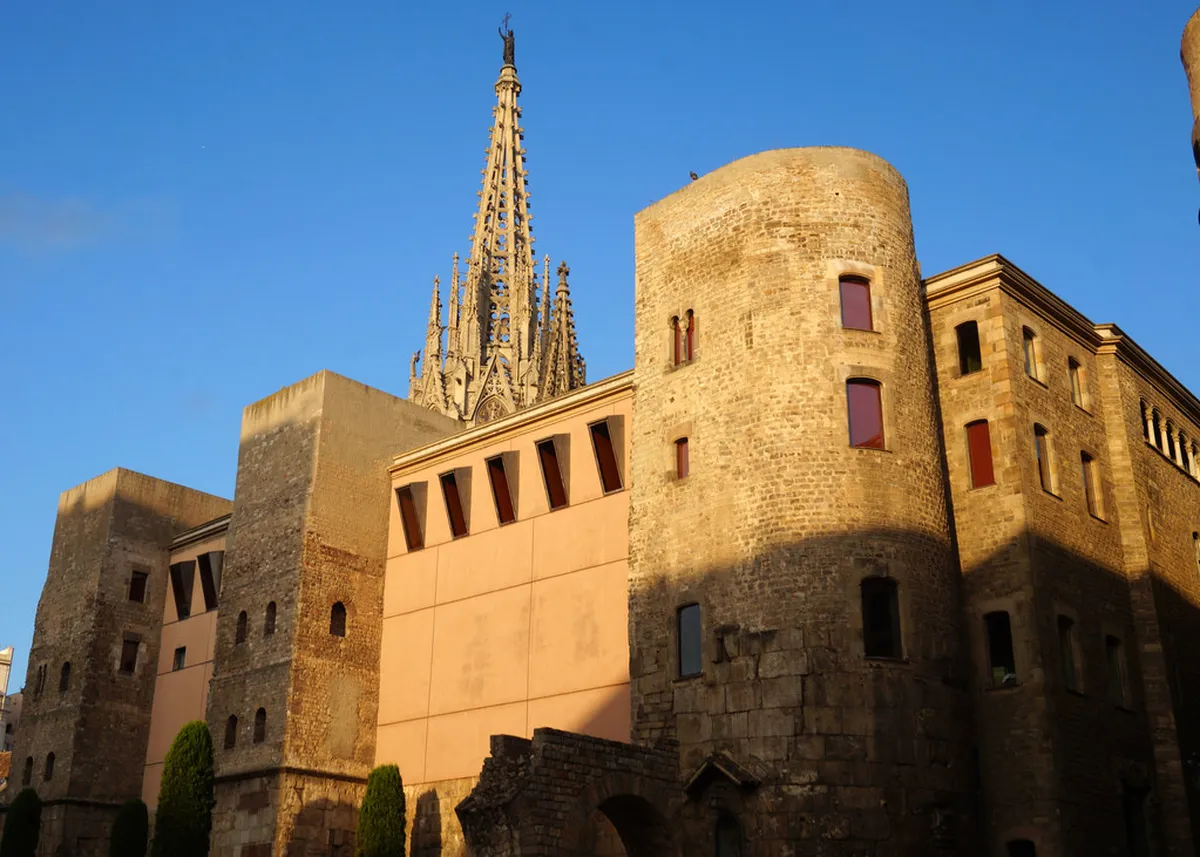
Table of Contents
Barcelona's Gothic Quarter and Ibiza's Dalt Vila: A Comparison
Spain boasts incredible historical areas. Two standout examples are Barcelona's Gothic Quarter and Ibiza's Dalt Vila. Both are UNESCO World Heritage Sites. They offer a deep dive into centuries of history. This guide compares these fascinating destinations. We will explore their unique architecture. Discover what makes each location special. Get ready to plan your next cultural adventure in 2025. Learn more about architectural similarities and differences across Spain. Explore the overall Ibiza Town architecture guide for deeper insights.
Dalt Vila: Ibiza Town's Fortified Historical Core
Dalt Vila stands proudly above Ibiza Town. Its impressive Renaissance walls define the skyline. These fortifications protected the city for centuries. This area holds layers of ancient history. You will find Punic, Roman, and Moorish influences here. Explore the architectural history of Dalt Vila.
The defensive walls are a highlight. They were built in the 16th century. These walls feature seven bastions. They offer panoramic views of the harbor and sea. Walking along them provides a unique perspective. Learn about the Renaissance walls of Dalt Vila. Inside, narrow cobbled streets wind upwards.
Traditional whitewashed houses line the alleys. Many homes feature small balconies. These details add to the charm. The Ibiza Cathedral sits at the highest point. Its blend of Gothic and Baroque styles is striking. Exploring Dalt Vila feels like stepping back in time. Entry to the old town is free. Allow 2-3 hours for a good walk. Consider visiting in late afternoon for cooler temperatures.
Dalt Vila’s Punic roots are still visible. Some archaeological sites remain. The town has been continuously inhabited. This makes its historical layers rich. Evidence of Roman and Moorish periods also exists. The defensive nature shaped its unique layout. These ancient influences are part of its appeal. Don't miss the charming Plaza de Vila for local eateries.
Barcelona's Gothic Quarter: A Medieval Urban Labyrinth
Barcelona's Gothic Quarter, or Barri Gòtic, is iconic. It forms the heart of the old city. This quarter is famous for its intricate Gothic architecture. It boasts a much denser urban fabric. Roman origins are also evident here. The architectural history spans millennia. You can explore a labyrinth of narrow streets and squares.
The Barcelona Cathedral dominates the quarter. Its construction began in the 13th century. This impressive building exemplifies Catalan Gothic style. Other notable structures include Plaça del Rei. This square once hosted royal ceremonies. Many buildings feature pointed arches and gargoyles. These are classic Gothic design elements.
Unlike Dalt Vila, the Gothic Quarter is bustling. It’s filled with shops, cafes, and restaurants. The atmosphere is vibrant and lively. Ancient Roman walls are still visible in parts. They blend into later medieval constructions. This showcases the city's continuous evolution. Discover more about Catalan Gothic style (though primarily found on the mainland). The area is free to wander.
Exploring the Gothic Quarter can take hours. Many small plazas offer places to relax. The Jewish Quarter, El Call, is a hidden gem. It offers a glimpse into Barcelona's past. Public transport makes access easy. Consider a guided walking tour for deeper insights. These are especially popular in 2025. Experience the unique blend of history and modern life here.
Architectural Styles and Historical Eras: A Direct Comparison
The architectural styles of these two areas differ greatly. Dalt Vila showcases strong defensive architecture. Its defensive architecture reflects its island fortress role. Renaissance walls are its most prominent feature. Earlier Punic and Moorish influences are subtle. They appear in urban planning and some building materials. The overall aesthetic leans towards simplicity. Whitewashed houses are a common sight. This traditional style is distinct to Ibiza.
The Gothic Quarter, conversely, is characterized by its namesake. Soaring cathedrals and intricate civic buildings define it. Roman foundations are often present beneath later structures. The density of medieval buildings is remarkable. Its history feels more continuous through the medieval period. This contrasts with Dalt Vila's varied influences. The Moorish influence in Ibiza is more pronounced than in Barcelona's core.
Dalt Vila's architecture serves a practical purpose. Its design focused on protection. The materials used were local and robust. Stone and lime render are common. This creates the iconic whitewashed houses of Ibiza. Buildings adapt to the Mediterranean climate. Thick walls provide insulation. Small windows minimize heat gain. Explore architectural details in Dalt Vila for examples.
Barcelona's Gothic Quarter reflects a powerful medieval city. Its grand buildings were for worship and governance. Elaborate facades and stained glass are common. The sheer scale of its Gothic structures is impressive. Both areas highlight excellent historical preservation. However, their core design philosophies diverge. One prioritizes defense, the other grandeur.
Visitor Experience and Practical Travel Tips for 2025
🎯 Insider Tip: Discover the best Ibiza experiences with Viator Tours!
Visiting Dalt Vila offers a peaceful, contemplative experience. The elevated position provides stunning sea views. It’s ideal for leisurely strolls. You can enjoy quiet dinners at charming restaurants. The lack of cars inside the walls enhances tranquility. Wear comfortable shoes, as the streets are steep and cobbled. Early mornings or evenings avoid the heat. Discover hidden architectural gems within Dalt Vila. Look for specific photography spots in Ibiza.
The Gothic Quarter provides a high-energy, immersive experience. It's often crowded, reflecting its vibrant city life. You'll find street performers, artists, and bustling markets. It's perfect for those seeking constant activity. Numerous shops and tapas bars line its streets. Navigating can be confusing due to the winding alleys. Consider using a map or guided tour. Architectural walking tours in Ibiza can also be found for Dalt Vila, offering detailed history.
Both sites are best explored on foot. Dalt Vila requires climbing uphill. Barcelona's Gothic Quarter is relatively flat. However, it covers a wider area. Allow ample time for both destinations in your 2025 itinerary. Check opening hours for specific attractions. Many churches and museums have varying schedules. Booking tours in advance is recommended. This is especially true during peak season.
Consider what type of experience you prefer. Dalt Vila offers a serene, historical retreat. The Gothic Quarter provides a dynamic, urban adventure. Both offer incredible historical insights. They showcase different facets of Spanish heritage. Each site provides a unique journey through time. You might even find yourself comparing the Punic architecture in Ibiza with Barcelona's Roman past.
Frequently Asked Questions
🌟 Local Expert Tip: Get the most out of your Ibiza visit with guided tours!
What makes Dalt Vila unique compared to other European old towns?
Dalt Vila is unique due to its well-preserved Renaissance fortifications. It offers a clear view of its Punic and Moorish past. Its whitewashed aesthetic is distinctive. The hilltop setting provides stunning coastal views. It has a calmer, more serene atmosphere. This contrasts with many bustling European city centers. It is also an island fortress. Learn more about its unique architectural history.
Are there guided tours available for both Dalt Vila and the Gothic Quarter in 2025?
Yes, both Dalt Vila and the Gothic Quarter offer guided tours in 2025. These tours often cover historical insights and architectural details. You can find options for various interests. Many include specific historical periods. Booking in advance is advisable, especially for popular tours. Consider an architectural walking tour in Ibiza. These tours provide local expert knowledge.
What are the main differences in the historical origins of Gothic Quarter vs Dalt Vila?
The Gothic Quarter's origins lie in Roman Barcino. It later developed as a major medieval Catalan city. Its core is truly Gothic in style. Dalt Vila has Punic origins. It later saw Roman, Moorish, and ultimately Renaissance influences. Its current fortified appearance dates mostly to the 16th century. It primarily served as a defensive stronghold. Discover the evolution of defensive architecture in Ibiza. Both are rich in history, but their primary architectural periods differ.
Both Barcelona's Gothic Quarter and Ibiza's Dalt Vila are historical treasures. They offer distinct architectural journeys. The Gothic Quarter delivers medieval grandeur. Dalt Vila presents a fortified island past. Your choice depends on your desired atmosphere. Explore these incredible sites in 2025. Discover the rich layers of Spanish history. Plan your adventure to both for a complete experience. For more detailed information, visit our Ibiza Town architecture guide.
Key Takeaways
- Dalt Vila offers serene, fortified Renaissance architecture with Punic roots.
- Barcelona's Gothic Quarter is a bustling medieval labyrinth showcasing Catalan Gothic style.
- Both are UNESCO sites but provide very different visitor experiences.
- Plan for walking shoes and ample time when exploring these historical areas.
- Consider guided tours in 2025 for deeper historical and architectural insights.