
Bilbao History: Cultural & Historical Guide
Table of Contents
Want to find the best nightlife deals for this destination? Chat with our nightlife specialist!
Get Nightlife TipsCategory: bilbao-history
The Ultimate Bilbao History Guide: Explore Cultural & Historical Landmarks
Discover Bilbao’s rich history through its iconic landmarks and cultural evolution. This guide categorizes everything you need to know—covering cultural sites, historical buildings, and the city’s transformation from an industrial hub to a modern cultural center. Explore Bilbao’s historical depth in 2024, uncovering its unique Basque heritage.
Cultural Bilbao: Museums and Art Galleries
Bilbao, a city known for its stunning transformation from an industrial hub to a vibrant cultural center, boasts an impressive array of museums and art galleries. These institutions not only preserve the city’s history but also celebrate contemporary art and Basque culture. Exploring these cultural hotspots offers a deep dive into the artistic soul of Bilbao. As you wander through the city, you’ll find that each museum and gallery tells a unique story, contributing to Bilbao’s rich cultural tapestry.
Must-Visit Museums in Bilbao
The Guggenheim Museum Bilbao is, undoubtedly, the most famous, but Bilbao’s cultural scene extends far beyond this iconic structure. The Museo de Bellas Artes de Bilbao (Fine Arts Museum) houses an extensive collection spanning from the 12th century to the present day. Additionally, the Archaeological Museum offers insights into the region’s ancient past, showcasing artifacts and exhibits that trace the area’s historical development. Moreover, for those interested in maritime history, the Maritime Museum provides an engaging look at Bilbao’s seafaring traditions.
Besides these major attractions, several smaller galleries offer more intimate experiences. These galleries often feature local artists, providing a platform for contemporary Basque art. For instance, you can explore various collections and exhibitions spotlighting both emerging and established talents. To further enrich your cultural journey, consider visiting during one of Bilbao’s many cultural festivals, as detailed on our Bilbao Cultural Festivals page. This will allow you to immerse yourself even further in local traditions and artistic expressions.
Pro Tip: Purchase a Bilbao Bizkaia Card for access to multiple museums and public transport, making your cultural exploration more convenient and cost-effective.
Furthermore, taking the time to explore Bilbao’s museums and art galleries is essential for understanding the city’s dynamic transformation. So, take a stroll through the city’s charming streets and immerse yourself in the rich history of Bilbao’s historic districts, which you can learn more about on our page.
Ready to discover the art and history that define Bilbao? Start planning your cultural adventure now and uncover the treasures of this captivating city.
Historical Bilbao: Iconic Buildings & Monuments
Bilbao, a city celebrated for its modern architecture and thriving cultural scene, also boasts a rich history reflected in its iconic buildings and monuments. Exploring these landmarks provides a deep dive into the city’s past, showcasing its evolution from an industrial powerhouse to a contemporary cultural hub. As you wander through Bilbao, each structure tells a story, contributing to the city’s unique historical narrative. The architectural wonders stand as testaments to Bilbao’s enduring spirit and transformative journey.
Must-See Historical Landmarks
One of the most significant landmarks is the Teatro Arriaga, a stunning opera house inspired by the Palais Garnier in Paris. Its neo-baroque design and intricate detailing make it a visual masterpiece, furthermore it symbolizes Bilbao’s cultural aspirations. Also, be sure to visit the Begoña Basilica, a sacred site with roots dating back to the 16th century. The basilica stands atop a hill, providing panoramic views of the city and serving as a spiritual anchor for the local community.
Moreover, the Puente de La Salve, while more contemporary, offers a striking juxtaposition against the backdrop of the Guggenheim Museum. Similarly, the City Hall, with its elegant façade and grand interiors, reflects the city’s political history and administrative importance. Each of these structures contributes to the rich tapestry of Bilbao’s historical identity. To fully appreciate Bilbao’s architectural heritage, explore our guide on Bilbao’s architecture.
Pro Tip: Consider joining a guided tour to uncover the hidden stories and architectural details of these historical landmarks. Knowledgeable guides can provide fascinating insights into Bilbao’s past.
Additionally, take the time to explore the numerous statues and public art installations scattered throughout the city. These often commemorate historical figures and events, adding another layer to Bilbao’s narrative. For example, the statue of Indalecio Prieto, a prominent Spanish politician, serves as a reminder of the city’s involvement in national affairs.
If you’re interested in delving deeper into Bilbao’s cultural side, discover more at our page on Bilbao’s museums. As you explore these landmarks, you’ll gain a profound appreciation for Bilbao’s journey through time, understanding how its historical buildings and monuments continue to shape its identity today. Embark on a journey through time and discover the stories etched in stone and steel, that define Bilbao’s captivating history. Plan your visit today and witness the splendor of historical Bilbao.
Bilbao’s Old Town (Casco Viejo): A Historical Journey
The Casco Viejo, or Old Town, of Bilbao is the historical heart of the city, offering a captivating journey through time. This vibrant district, characterized by its narrow, winding streets and colorful buildings, stands as a testament to Bilbao’s rich past. Exploring the Casco Viejo is not just a walk through charming streets; it’s an immersion into the very essence of Bilbao history. The area is brimming with stories, traditions, and architectural wonders that reflect the city’s evolution over centuries.
Siete Calles: The Seven Streets
At the core of the Casco Viejo are the Siete Calles (Seven Streets), the original medieval pathways that formed the foundation of Bilbao. These streets – Somera, Artecalle, Tendería, Belosticalle, Carnicería Vieja, Barrencalle, and Barrencalle Barrena – are steeped in history, each with its own unique character and stories to tell. As you wander through these ancient lanes, you’ll discover a myriad of shops, bars, and restaurants, seamlessly blending the old with the new. Indeed, the Siete Calles offer a tangible connection to Bilbao’s past, making it easy to imagine life as it once was in this bustling port city.
Furthermore, the Old Town is home to several significant historical landmarks. The Plaza Nueva, a neoclassical square completed in 1851, serves as a central gathering place for locals and visitors alike, hosting numerous events and markets throughout the year. Besides, the Bilbao Cathedral, dedicated to the Apostle Saint James, stands as a magnificent example of Gothic architecture, showcasing centuries of religious and artistic heritage. To delve deeper into Bilbao’s historical districts, explore our dedicated page on Bilbao’s historic districts.
Moreover, the Casco Viejo is not just about its physical structures; it’s about the culture and traditions that permeate the air. You can often hear the sounds of Basque music drifting from the bars, and the aroma of traditional dishes wafts from the restaurants. Consequently, the area is a living, breathing testament to Basque identity. Exploring this area provides a unique opportunity to connect with the local culture on a profound level. For those interested in experiencing more of Bilbao’s cultural side, see festivals and cultural events.
Ready to discover the heart of Bilbao? Explore our curated tours and resources to experience the Casco Viejo’s timeless charm and rich history firsthand. Visit today!
Bilbao’s Industrial History: From Steel to Culture
🌟 Local Expert Tip: Get the most out of your Bilbao visit with guided tours!
Bilbao, a city nestled in the heart of Basque Country, boasts a rich industrial heritage that has significantly shaped its cultural identity. Once dominated by shipbuilding and steel industries, Bilbao has successfully transformed itself from an industrial powerhouse into a vibrant cultural hub. This transition is not just a story of economic evolution but also a testament to the city’s resilience and adaptability. Exploring Bilbao today means uncovering layers of industrial history interwoven with modern art and cultural expressions.
The Rise and Fall of Industry
In the 19th and 20th centuries, Bilbao became a crucial center for iron ore extraction and steel production, fueling Spain’s industrial revolution. The Nervión River, vital for transporting goods, became the artery of industrial activity. However, the late 20th century brought industrial decline, leading to significant urban decay. As a result, Bilbao faced considerable challenges, compelling city planners to envision a bold new future. This period marked a turning point, requiring innovative approaches to revitalize the city and repurpose its industrial infrastructure.
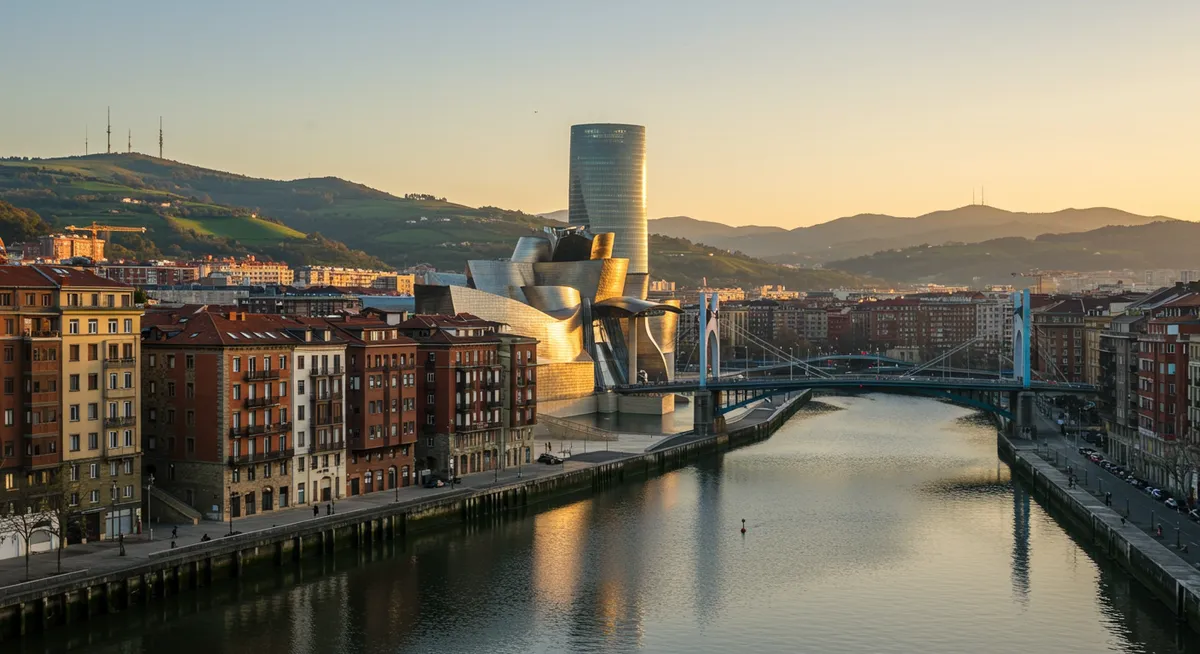
Consequently, the city embarked on an ambitious regeneration project. Derelict factories and warehouses along the riverfront were transformed into cultural spaces, parks, and residential areas. The iconic Guggenheim Museum Bilbao, designed by Frank Gehry, symbolized this transformation, drawing global attention and sparking renewed interest in the city. This architectural marvel became a catalyst for further development, attracting investment and tourism.
Pro Tip: Take a stroll along the Nervión River to witness the juxtaposition of historic industrial sites and modern cultural landmarks. It offers a unique perspective on Bilbao’s transformation.
Furthermore, Bilbao’s commitment to preserving its industrial past while embracing contemporary art has enriched its cultural tapestry. Former industrial areas now host art galleries, museums, and design studios. The city also celebrates its heritage through various cultural festivals and events, blending tradition with modern innovation. To further appreciate the city’s artistic evolution, consider exploring Bilbao’s vibrant art scene.
In conclusion, Bilbao’s journey from a steel-dominated industrial city to a thriving cultural center is a compelling narrative. Its ability to reinvent itself, honoring its past while embracing modernity, makes it a unique and fascinating destination. Interested in learning more about the cultural aspects of Bilbao? Discover the festivals that animate Bilbao’s streets, reflecting its vibrant culture and history.
The Guggenheim Museum Bilbao: A Modern Cultural Icon
The Guggenheim Museum Bilbao stands as a testament to the transformative power of architecture and art. Opened in 1997, this iconic building, designed by Frank Gehry, has not only redefined Bilbao’s skyline but also revitalized the city, turning it into a major cultural destination. The museum’s shimmering titanium panels and innovative design represent a bold departure from traditional museum architecture, drawing visitors from around the globe eager to experience its unique allure. Beyond its striking exterior, the Guggenheim houses an impressive collection of modern and contemporary art, making it a pivotal landmark in Bilbao’s cultural landscape.
Architectural Marvel and Artistic Hub
The architectural brilliance of the Guggenheim is undeniable. Its undulating forms and reflective surfaces capture the light in captivating ways, creating a dynamic visual experience that changes with the time of day and weather conditions. Inside, the museum offers a diverse range of exhibitions, featuring works from renowned artists and emerging talents alike. Furthermore, the museum’s collection includes masterpieces spanning various media, including painting, sculpture, installation, and film. This diverse collection ensures that every visit offers something new and inspiring, solidifying its reputation as a world-class art institution. To explore more art scenes in Bilbao, check out our guide to Bilbao’s art scene.
Moreover, the museum’s impact extends beyond its aesthetic appeal and artistic offerings. It has played a significant role in Bilbao’s economic and cultural resurgence, attracting tourists, fostering local businesses, and inspiring urban renewal projects throughout the city. The Guggenheim Museum Bilbao is, therefore, not just a museum; it is a symbol of Bilbao’s transformation and its commitment to embracing innovation and creativity. To discover other museums in the city, visit our guide to Bilbao museums.
Pro Tip: Visit the Guggenheim early in the morning or later in the afternoon to avoid the peak crowds and fully appreciate the architectural details and art collections.
In conclusion, the Guggenheim Museum Bilbao represents the intersection of visionary architecture and exceptional art, making it an essential destination for anyone interested in the power of culture to transform a city. It showcases how Bilbao has embraced modernity while celebrating its rich history and Basque heritage. Discover more about Bilbao’s architectural marvels and experience the city’s blend of tradition and innovation. Plan your visit today and witness firsthand the cultural icon that is the Guggenheim Museum Bilbao.
Hidden Historical Gems: Lesser-Known Sites in Bilbao
⭐ Recommendation: Don't miss out on amazing Bilbao tours - book now!
While the Guggenheim Museum rightly steals the spotlight, Bilbao boasts numerous lesser-known historical sites that offer a deeper understanding of the city’s rich past. Venturing beyond the main attractions allows you to uncover the hidden narratives and architectural marvels that have shaped Bilbao’s unique identity. These sites provide intimate glimpses into the lives of the people who built and transformed this dynamic city, offering a richer and more nuanced travel experience.
Exploring the Azkuna Zentroa (Alhóndiga Bilbao)
Originally a wine warehouse designed by Philippe Starck, the Azkuna Zentroa, also known as Alhóndiga Bilbao, stands as a testament to Bilbao’s ability to repurpose historical structures. Today, it functions as a vibrant cultural and leisure center, housing a swimming pool with a glass bottom, multiple cinemas, exhibition spaces, and a rooftop terrace offering panoramic views of the city. The building’s unique architectural features, including its diverse set of columns, reflect a blend of historical design and modern innovation. For more on Bilbao’s cultural experiences, see our page on Bilbao’s cultural festivals.
Additionally, consider visiting the Iglesia de San Nicolás de Bari, a baroque church dedicated to the patron saint of sailors. Situated in the heart of the Old Town, this church boasts an ornate interior and a fascinating history, having survived numerous floods and conflicts. Its architectural grandeur and historical significance make it a must-see for history enthusiasts. Furthermore, the Puente de San Antón, an ancient bridge with Roman origins, provides not only a picturesque view but also a tangible connection to Bilbao’s early history.
Pro Tip: Take a guided walking tour to discover the stories behind these hidden gems. Local guides often share fascinating anecdotes and historical insights that aren’t available in guidebooks.
Visiting these lesser-known sites adds depth to your understanding of Bilbao’s history and culture. As well as these, be sure to explore the Consorcio de Aguas building, which is another place which adds to the understanding of the cities industrial past. As you wander through these historical locations, you’ll gain a profound appreciation for the resilience and innovation that define Bilbao. Ready to explore further? Discover the secrets behind Bilbao’s historic districts and continue your journey through time.
Ready to uncover these hidden gems? Begin your exploration by consulting local tourist information for self-guided walking routes that lead you through these fascinating historical locations.
Walking Tours: Exploring Bilbao’s History on Foot
Bilbao, a city transformed from its industrial roots into a vibrant cultural hub, offers a fascinating journey through time. One of the best ways to immerse yourself in Bilbao’s history is by embarking on a walking tour. These tours allow you to experience the city’s evolution firsthand, uncovering hidden gems and gaining insights into its rich past. Whether you are interested in architecture, art, or local traditions, a walking tour provides an intimate and engaging perspective.
Discovering Historical Landmarks
Walking tours often focus on key historical landmarks, providing context and stories that bring the city to life. Starting in the Casco Viejo, Bilbao’s Old Town, you can explore the Siete Calles (Seven Streets), the heart of the original medieval settlement. Furthermore, these tours typically include visits to iconic structures such as the Santiago Cathedral and the Plaza Nueva, each with its own unique history and significance. Walking allows you to appreciate the architectural details and urban planning that shaped Bilbao over the centuries. You might also appreciate the street art scene; for more, see our page on Bilbao’s street art.
In addition to the well-known sites, many walking tours venture off the beaten path to uncover lesser-known historical gems. These may include visits to old industrial sites, hidden plazas, or buildings with intriguing stories. Therefore, by exploring these hidden corners, you gain a deeper understanding of Bilbao’s multifaceted history and its transformation from an industrial powerhouse to a modern cultural center. Don’t forget to discover our articles about the city’s museums.
Pro Tip: Wear comfortable shoes and bring a water bottle, as walking tours can be quite extensive. Additionally, consider booking a tour with a local guide who can provide insider knowledge and personal anecdotes.
Moreover, walking tours also provide an opportunity to learn about Basque culture and its influence on Bilbao’s history. The Basque people have a distinct language, traditions, and identity that have shaped the region for centuries. Exploring historical sites while learning about Basque customs and heritage offers a richer and more meaningful experience. To understand how the city came to be, consider our article on Bilbao’s historic districts.
Ready to lace up your shoes and dive into Bilbao’s captivating past? Find a walking tour that suits your interests and prepare to discover the stories etched into every street and building of this remarkable city.
Basque Culture: Traditions and Historical Influence
The soul of Bilbao is inextricably linked to its Basque heritage. Basque culture, or Euskara, is a unique and enduring aspect of the region, profoundly influencing Bilbao’s identity and historical trajectory. Experiencing this vibrant culture is essential for anyone wishing to understand the essence of Bilbao history. From traditional music and dance to culinary customs and linguistic roots, the Basque Country offers a rich tapestry of experiences that set it apart from other regions in Spain. The historical influence of Basque culture is palpable in every corner of Bilbao, shaping its social fabric and artistic expressions.
Language and Identity
The Basque language, Euskara, is one of Europe’s oldest languages, with origins that remain a linguistic mystery. Its resilience over centuries has played a crucial role in preserving Basque identity and cultural heritage. While Spanish is widely spoken in Bilbao, you’ll often hear Euskara in everyday conversations, particularly in the older neighborhoods. The preservation of this ancient language is a testament to the strength and determination of the Basque people to maintain their unique cultural identity. You can immerse yourself more in the local culture by exploring traditional Basque customs.
Festivals and Celebrations
Basque festivals, or fiestas, are vibrant expressions of cultural pride and historical traditions. One of the most important festivals is the Semana Grande (Aste Nagusia), Bilbao’s biggest annual celebration, which fills the city with music, dance, and a host of cultural activities. Furthermore, these celebrations are steeped in history, often featuring traditional sports, dances, and culinary delights that have been passed down through generations. To fully appreciate Bilbao’s cultural vibrancy, attending one of these festivals is a must. To learn more about cultural celebrations, visit our Bilbao cultural festivals page.
Pro Tip: Try to learn a few basic Basque phrases. Even a simple greeting like “Kaixo” (Hello) can go a long way in showing respect and appreciation for the local culture.
Gastronomy: A Cultural Cornerstone
Basque cuisine is another cornerstone of its culture, renowned for its high-quality ingredients and innovative culinary techniques. Pintxos, the Basque version of tapas, are a culinary art form, showcasing a delightful array of flavors and textures. Moreover, traditional dishes often feature fresh seafood, locally sourced meats, and seasonal vegetables. Exploring Bilbao’s gastronomic scene is not just about enjoying delicious food; it’s about experiencing a fundamental aspect of Basque culture and heritage.
Are you interested in experiencing Bilbao’s unique cultural identity? Discover more about Basque traditions and plan your trip to immerse yourself in the vibrant heritage of Bilbao.
Exploring Bilbao’s history through its cultural and historical landmarks provides a deep understanding of the city’s evolution. From its industrial roots to its modern artistic renaissance, Bilbao offers a rich tapestry of experiences. Compare the best historical sites and cultural experiences today and start planning your visit to discover the heart of the Basque Country!
Frequently Asked Questions
🎯 Insider Tip: Discover the best Bilbao experiences with Viator Tours!
A: Bilbao offers a diverse range of historical and cultural attractions. Top options include the Guggenheim Museum, a symbol of the city’s modern transformation; the Casco Viejo (Old Town), with its charming streets and traditional Basque architecture; and the Bilbao Fine Arts Museum, showcasing a rich collection of Basque and European art. Each category provides a unique glimpse into Bilbao’s past and present.
A: The best time to visit Bilbao is during the spring (April-May) or fall (September-October). The weather is mild, making it ideal for exploring the city’s historical sites and enjoying outdoor activities. Summer can be crowded, while winter can be rainy and cooler.
A: The cost of experiencing Bilbao’s history can vary widely. Budget travelers can enjoy free walking tours of the Old Town and visit free museums on certain days. Mid-range travelers can expect to spend around €50-€100 per day, including museum entrance fees, transportation, and meals. Luxury travelers might spend €200+ per day on guided tours, fine dining, and upscale accommodations.