
Discover Unique Pueblo Canario Architecture in Las Palmas
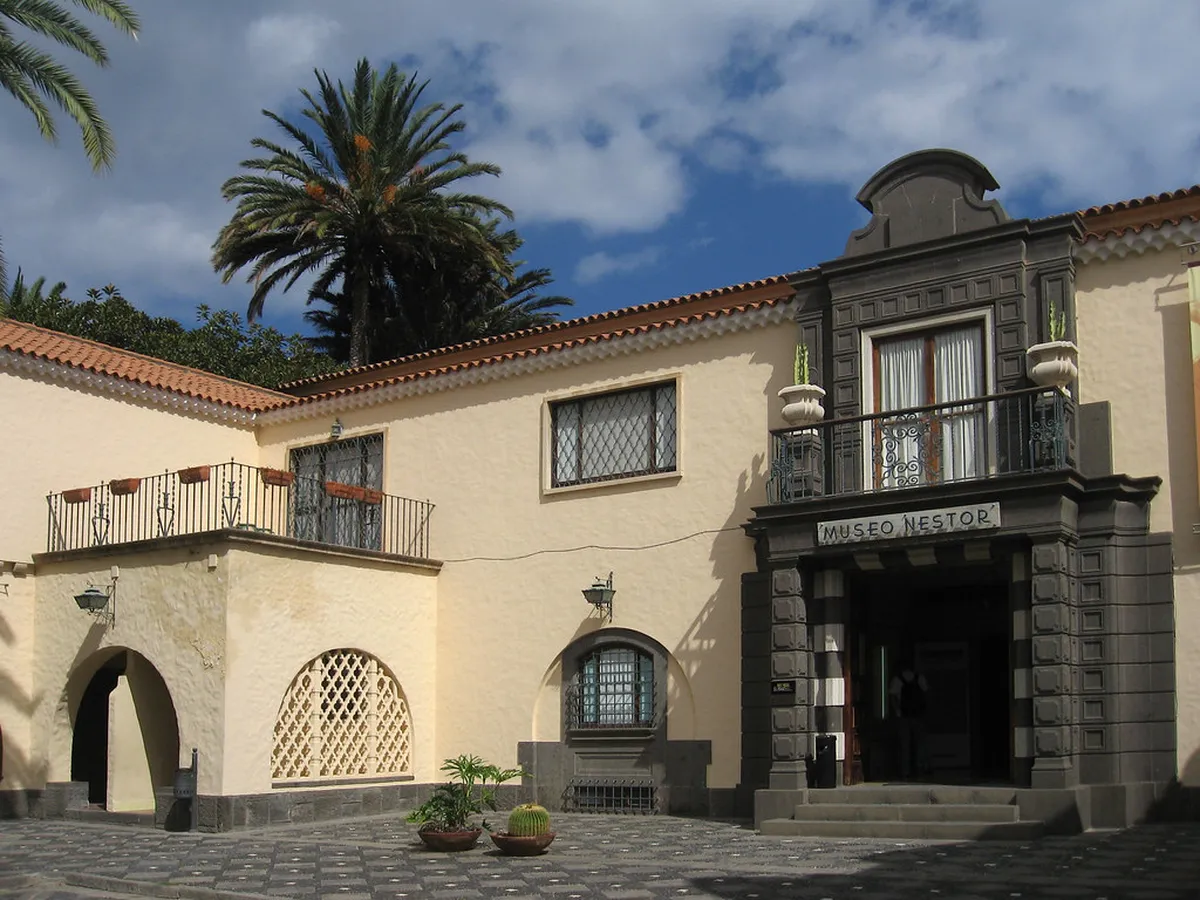
Table of Contents
Exploring Unique Pueblo Canario Architecture in Las Palmas 2025
Las Palmas de Gran Canaria boasts rich architectural diversity. Among its many styles, Pueblo Canario architecture stands out. This unique design beautifully reflects traditional island culture. It offers a glimpse into local heritage and artistic vision. This guide will explore this captivating style.
We will delve into its history and iconic features. You will discover where to best experience this Las Palmas architecture guide. Prepare to be charmed by its distinctive character, a true highlight of Canarian Colonial architecture inspiration.
The Vision Behind Pueblo Canario Architecture
The Pueblo Canario complex is a testament to cultural revival. It was conceived by artist Néstor de la Torre. His dream was to create a quintessential Canarian village. This project aimed to preserve island traditions.
Construction began in 1937, led by architects Miguel Martín Fernández. Néstor's artistic brother, Miguel, also contributed significantly. Their combined efforts brought this architectural dream to life. The complex officially opened in 1939.
This ambitious project drew inspiration from various sources. It merged regionalist ideals with traditional Canarian forms. The goal was to encapsulate the island's spirit. It stands as a celebration of local identity and craftsmanship.
Néstor de la Torre's vision, along with the detailed work of Miguel Martín Fernández, remains crucial. Their collaboration shaped this iconic landmark. It showcases a profound understanding of island aesthetics. Learn more about Néstor de la Torre's influence and its broader impact on local design. The Pueblo Canario complex is a must-see for architecture lovers.
Distinctive Features of Pueblo Canario Design
Pueblo Canario architecture is instantly recognizable. Its design elements are deeply rooted in local traditions. Facades often feature white lime wash or natural stone. These materials contribute to its rustic charm.
One defining characteristic is the elaborate wooden balcony. These Canarian wooden balconies are often enclosed or partially covered. They provide shade and privacy, a staple of island homes. Look for intricate carvings and vibrant paintwork.
Courtyards are another essential feature of this style. These traditional patio courtyards offer serene spaces. They often include lush plants and decorative tiles. These patios provide natural cooling and light within the buildings.
The overall aesthetic prioritizes harmony with nature. Buildings often integrate seamlessly into their surroundings. Vibrant colors, patterned tiles, and detailed ironwork add visual interest. Every detail tells a story of Canarian artistry.
Visiting the Pueblo Canario Complex Today
The main example of Pueblo Canario architecture is its namesake complex. It is located within the beautiful Parque Doramas. This tranquil park offers a pleasant escape from city life. It is easily accessible by public transport.
The complex functions as a cultural hub. It houses local artisan shops and quaint cafes. Visitors can find traditional crafts and souvenirs. You might even catch live folk music performances. These events often take place in the central square.
Entry to the Pueblo Canario complex is free. It typically opens daily from 10 AM to 6 PM. Check local listings for specific opening hours in 2025. Guided tours are sometimes available for a small fee. This enhances your exploring the Pueblo Canario complex experience.
Adjacent to the complex is the historic Hotel Santa Catalina's architecture. This grand hotel also features traditional Canarian elements. Consider exploring both on a self-guided architecture walk. It provides a full immersion into the architectural heritage of Las Palmas.
Néstor de la Torre's Enduring Legacy
🎯 Insider Tip: Discover the best Madrid experiences with Viator Tours!
Néstor de la Torre was not just an artist; he was a visionary. His commitment to Canarian culture profoundly shaped the islands. The Pueblo Canario complex stands as his most significant architectural contribution. It embodies his passion for regional identity.
Beyond architecture, Néstor influenced various art forms. He championed local crafts and traditional music. His work promoted a unique Canarian aesthetic. This artistic vision helped define a sense of national pride.
The Pueblo Canario serves as a living museum of his ideals. It continually inspires new generations of artists. Its design principles reflect a timeless beauty. This legacy continues to attract visitors globally in 2025.
His impact extends far beyond this single complex. Néstor de la Torre’s significant influence can be seen across the cultural landscape. It has shaped how the islands present their heritage. His work blended modernity with the traditional Canarian Colonial style, creating something truly unique.
Discovering More Canarian Architectural Gems
While Pueblo Canario is distinct, other areas offer similar charm. The historic Vegueta historic quarter features colonial-era buildings. These structures often share elements like courtyards and wooden balconies. Exploring Vegueta provides a broader context for island architecture.
The Triana district also presents beautiful architectural examples. You will find elegant townhouses with decorative facades. Many buildings here showcase early 20th-century styles. This offers a different yet complementary view of the city's past.
Consider taking a specialized architecture tour. These tours often highlight various styles and hidden gems. Expert guides can share fascinating stories behind each building. It enriches your understanding of Las Palmas's design evolution.
Seek out local insights for truly authentic experiences. Small cafes or family-run shops might reveal architectural secrets. Engage with residents to learn about their history. For a deeper dive, consider joining Las Palmas architectural tours.
Frequently Asked Questions
Who designed the Pueblo Canario complex?
The Pueblo Canario complex was primarily conceived by artist Néstor de la Torre. His brother, Miguel Martín Fernández de la Torre, was the main architect. Miguel ensured Néstor's artistic vision became a structural reality. This collaborative effort created the iconic village.
The design drew heavily from traditional Canarian building styles. Their combined genius resulted in a unique cultural landmark. It continues to be a highlight for visitors in 2025.
What are the main characteristics of Canarian architecture?
Canarian architecture often features internal courtyards, serving as central hubs. Exposed stone and whitewashed walls are common materials. Elaborate wooden balconies are a distinct and beloved element.
Rooftops typically have red clay tiles. The designs prioritize climate comfort and local materials. This style reflects a blend of European and indigenous influences. Many of these features are prominent in Canarian Colonial architecture.
Is the Pueblo Canario worth visiting in 2025?
Absolutely, the Pueblo Canario is definitely worth visiting in 2025. It offers a captivating insight into Canarian culture and design. The complex provides a charming atmosphere for relaxation and exploration.
You can enjoy artisan shops, cafes, and cultural performances. It's a wonderful place to experience local traditions. This historical and artistic site should be on your itinerary. Don't miss exploring the Pueblo Canario complex on your trip.
Pueblo Canario architecture offers a unique and enchanting experience. It represents a heartfelt dedication to island heritage. The vision of Néstor de la Torre lives on in its beautiful design. This style provides a powerful connection to Gran Canaria's past.
We encourage you to explore these wonderful architectural marvels. Discover the charm of traditional Canarian design for yourself. Start planning your architectural adventure with our Las Palmas de Gran Canaria architectural guide. Visit Architect Tourist for more inspiration.
Key Takeaways
🌟 Local Expert Tip: Get the most out of your Madrid visit with guided tours!
- Pueblo Canario architecture is a unique cultural expression, envisioned by Néstor de la Torre.
- Look for distinctive features like wooden balconies, inner courtyards, and local stone.
- Visit the Pueblo Canario complex in Parque Doramas for free, enjoying local crafts and culture.