
How Spain Influenced Fuerteventura's Architecture
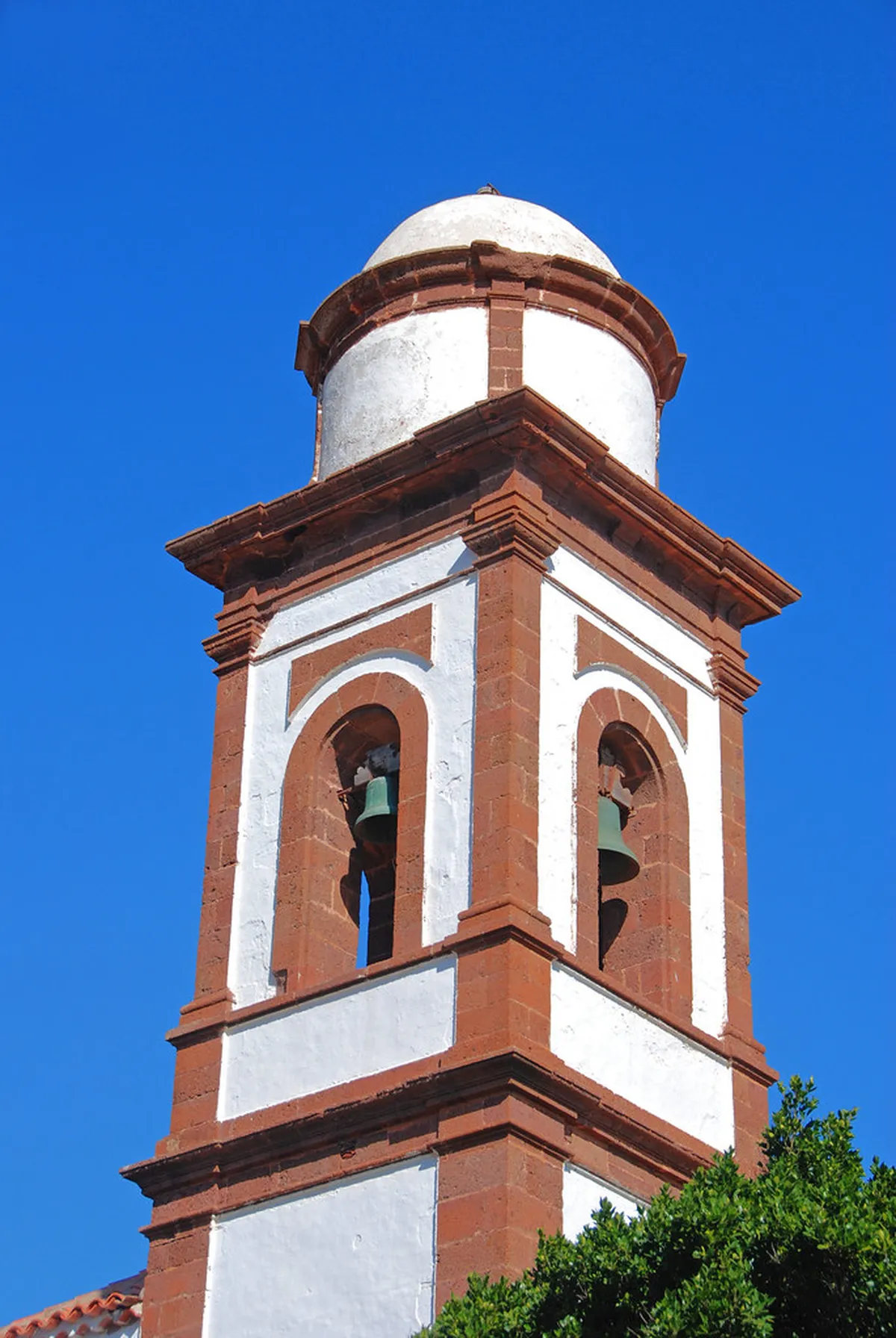
Table of Contents
Spanish Influence on Corralejo Architecture in 2025
Fuerteventura boasts a captivating architectural landscape. Its buildings tell stories of centuries past. This unique style reflects a deep Spanish colonial influence on the island. Corralejo offers excellent examples of this rich heritage.
Understanding how Spain influenced Fuerteventura architecture enriches your visit. You will notice distinct features everywhere. From charming old towns to modern resorts, the Spanish touch is clear. Explore Corralejo's architecture to see this fascinating blend of history and design firsthand during your 2025 trip.
Tracing Spanish Roots in Fuerteventura Buildings
The arrival of Castilian conquerors brought new building methods. Traditional Canarian homes then merged with Spanish styles. This created a distinctive local architecture over time.
Early settlements on Fuerteventura adapted to the island's conditions. Defensive structures were essential for protection. Houses began incorporating stronger materials and practical layouts. These early designs laid the groundwork for future development.
Over centuries, homes evolved to suit island life. They provided shelter from the sun and wind. This historical journey greatly shaped historic Corralejo architecture. It reflects a blend of practicality and cultural heritage.
Exploring these older areas reveals significant clues. You can observe the very beginnings of modern Fuerteventura. Learn about traditional Fuerteventura houses for more context on these foundational designs.
Identifying Spanish Colonial Details in Corralejo
Corralejo's architecture proudly showcases its Spanish past. Many buildings feature characteristic white-washed walls. Flat roofs are also a very common sight across the town. These elements provide both beauty and functionality against the sun.
You will often see ornate wooden balconies. Inner courtyards offer cool, shaded retreats. These design choices combat the intense island heat effectively. They create comfortable living spaces for residents.
The use of natural stone is another prominent detail. Volcanic rock is frequently integrated into walls and foundations. This adds texture and durability to many structures. It highlights the clever use of local building materials.
Pay attention to the simple yet elegant aesthetics. These reflect a colonial influence adapted to the Canarian climate. You can easily identify colonial details in Corralejo buildings. For example, the Corralejo church architecture often showcases these traditional elements clearly.
Canarian Style: Adaptations to Island Life
Fuerteventura's unique environment shaped its architectural evolution. The availability of local materials was a key factor. Builders utilized volcanic rock, wood, and lime. These resources made constructions sturdy and sustainable.
Flat roofs became a common feature for practical reasons. They helped collect precious rainwater efficiently. Thick walls provided excellent insulation against temperature extremes. These designs were crucial for survival in arid conditions.
Shaded courtyards and small windows created cool interiors. These elements protected residents from the relentless sun. The design focused heavily on function and comfort. Understanding these adaptations reveals much about the Canarian architectural style.
Every detail served a purpose in this climate. From window placement to roof design, efficiency was key. This strong emphasis on practicality continues to inspire architecture today. It's a testament to ingenious island living.
Modern Corralejo: Blending Past and Present
🌟 Local Expert Tip: Get the most out of your Madrid visit with guided tours!
Corralejo’s contemporary architecture still honors its roots. Many new constructions maintain traditional elements. White-washed walls remain a popular choice. This keeps a visual harmony with older structures throughout the town.
Modern villas often incorporate classic designs. They add comfort with spacious interiors and modern amenities. You can find stylish modern villas in Corralejo that subtly echo the past. This blend offers the best of both worlds.
Large resorts also integrate local architectural styles. They often feature low-rise buildings and natural colors. This ensures they blend seamlessly into the landscape. Corralejo hotel architecture exemplifies this thoughtful approach. Architects strive to respect the island's heritage.
Preservation efforts are vital in Corralejo. They keep historical buildings alive for future generations. Restoration projects ensure the town’s unique character endures. This commitment to heritage ensures the Spanish influence remains strong in 2025. Learn more about Corralejo building restoration.
Frequently Asked Questions
What defines traditional Fuerteventura house architecture?
Traditional Fuerteventura houses feature several key elements. They commonly have white-washed walls and flat roofs. Small, strategically placed windows are also typical. These designs provided protection from the intense sun. Traditional Fuerteventura houses often include inner courtyards. These offer cool, private outdoor spaces. Local volcanic stone is frequently used in their construction.
Does Corralejo's architecture show Moorish influences?
Direct Moorish influence is less prominent in Corralejo than in mainland Spain. The Canary Islands were settled after the Reconquista. However, some shared design principles exist. These include enclosed courtyards and intricate tile work. These elements arrived via Spanish colonial styles, which themselves absorbed Moorish ideas. While not direct, faint echoes can sometimes be observed in general layout patterns.
How can I best experience Corralejo's historical architecture?
The best way is to take a self-guided walk through the old town. Focus on the traditional fishing village areas. Look for the white walls, wooden balconies, and natural stone. Many older buildings are well-preserved, showcasing their unique features. Consider using a self-guided architecture tour map. You can also follow specific Corralejo architecture walking routes. These resources will highlight key architectural landmarks.
The enduring Spanish colonial influence on Fuerteventura's architecture is undeniable. It shaped Corralejo into the charming town we see today. From white walls to practical courtyards, history is visible everywhere. This heritage creates a unique and beautiful environment.
Next time you visit in 2025, take time to appreciate these details. The island’s buildings are a testament to its rich past. Plan your architecture photography spots to capture this beauty. For more insights into global architecture and travel, visit ArchitectTourist.com.
Key Takeaways
- Fuerteventura's architecture largely reflects Spanish colonial and Canarian styles.
- Corralejo showcases distinctive white walls, flat roofs, and inner courtyards.
- Local volcanic materials and climate adaptations shaped functional and beautiful designs.