
Discover the Unique Casa de Pilatos Style in Seville
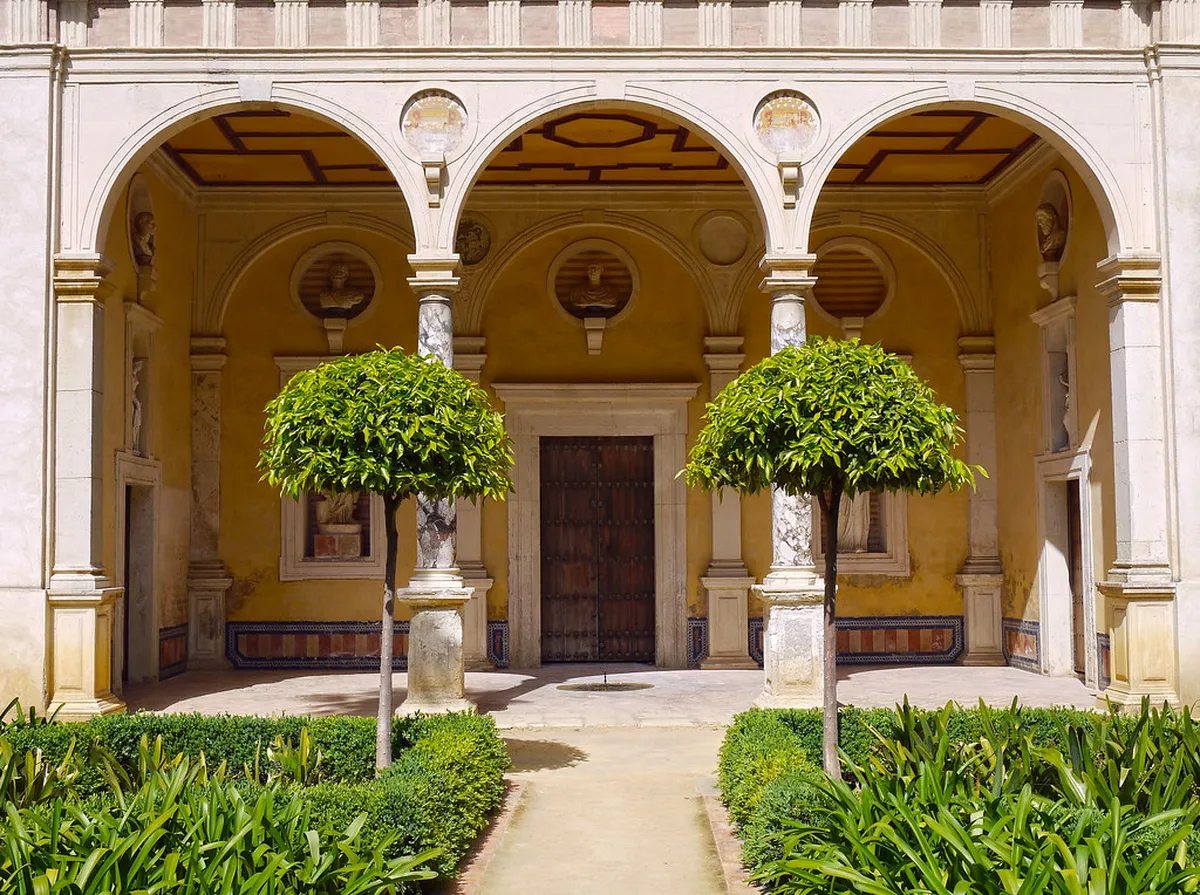
Table of Contents
Casa de Pilatos Style: Seville's Architectural Masterpiece
Seville, Spain, is a city rich in architectural wonders. Its buildings tell stories of diverse cultures and eras. One captivating example is the distinct Casa de Pilatos style. This palace perfectly blends Mudejar and Renaissance elements.
Visiting Casa de Pilatos offers a unique experience for architecture lovers. It showcases centuries of artistic evolution. Prepare to be amazed by its intricate details and grand scale. This guide will explore its defining characteristics and history. Discover why the Casa de Pilatos style remains so celebrated in 2025. You can find more about Seville's diverse buildings in our comprehensive Seville architecture guide.
Understanding the Casa de Pilatos Architectural Blend
The Casa de Pilatos style represents a fascinating architectural fusion. It seamlessly combines Italian Renaissance grandeur with traditional Mudejar artistry. This blend began in the late 15th and early 16th centuries. It reflects the aristocratic tastes of its original owners.
Don Fadrique Enríquez de Ribera started the palace's Renaissance additions. He returned from a grand European tour inspired by classical art. His travels profoundly influenced the palace's design direction. This vision gave birth to Seville's unique architectural language.
The result is a harmonious mix of styles. You will see classical columns next to intricate plasterwork. Roman statues stand near vibrant azulejo tiles. This deliberate juxtaposition makes Casa de Pilatos truly extraordinary. It is a must-see for visitors in 2025.
This architectural synthesis tells a story of cultural exchange. It highlights the Iberian Peninsula's rich history. The Casa de Pilatos style captures a specific moment in time. It reflects the artistic dialogue between East and West.
Mudejar Artistry and Moorish Roots
Mudejar elements are fundamental to the Casa de Pilatos style. This style originated from Moorish craftsmen in Christian Spain. They continued their rich artistic traditions. These traditions are evident in the palace's intricate details.
Look for exquisite plasterwork, called yesería, on the walls and ceilings. Geometric patterns and Arabic calligraphy adorn many surfaces. The tranquil central patio is a prime example. It showcases traditional Islamic design principles.
The palace's courtyards feature elaborate tilework, or azulejos. These vibrant tiles create stunning visual displays. They are a hallmark of both Mudejar and Moorish design. Discover more about Moorish architecture in Seville.
Beautiful wooden ceilings, known as artesonados, also abound. These complex ceilings are true masterpieces of carpentry. They highlight the incredible skill of Mudejar artisans. The blend of these elements creates a warm and inviting atmosphere. Explore other examples of Mudejar style in Seville.
Renaissance Splendor and Classical Influences
The Renaissance aspect of Casa de Pilatos brings classical elegance to the palace. Don Fadrique introduced classical sculptures and architectural forms. He was inspired by his grand tour of Italy. This fascination transformed parts of the palace.
Marble statues, Roman busts, and classical columns are prominent. They add a sense of timeless grandeur and sophistication. The main patio's arches and galleries reflect classical proportions. This infusion of new ideas was groundbreaking for its time.
The formal gardens also demonstrate Renaissance influence. They feature geometric layouts and classical fountains. These elements provide a serene backdrop. They beautifully contrast with the Mudejar interiors. Learn more about Renaissance palaces in Seville.
Even the facade combines classical motifs with Andalusian flair. This interplay creates visual depth and interest. The Casa de Pilatos style became a blueprint for other noble residences. Its impact on Andalusian style homes is undeniable.
Essential Elements to Observe During Your Visit
🌟 Local Expert Tip: Get the most out of your Seville visit with guided tours!
When exploring Casa de Pilatos, focus on several key architectural elements. Start with the stunning main patio. Observe the blend of Mudejar tilework and Roman sculptures. Note the intricate plasterwork that adorns the walls.
Next, explore the diverse courtyard gardens. Each garden offers a unique micro-environment. They showcase different planting styles and water features. These spaces provide cool havens during warmer months.
Don't miss the grand staircase leading to the upper floors. Its magnificent dome is a Mudejar marvel. The staircase walls are covered in exquisite azulejos. The palace's ornate doorways are also significant. Each tells a story of craftsmanship and symbolism.
Pay attention to the smaller details too. Look for intricate ironwork balconies. Admire the painted wooden ceilings in various rooms. These elements collectively define the unique Casa de Pilatos style. They create an immersive historical experience for visitors.
Planning Your Visit to Casa de Pilatos in 2025
Casa de Pilatos is located in Seville's historic center. Its address is Plaza de Pilatos, 1. The palace is easily accessible by foot from many areas. Consider a morning visit to avoid larger crowds.
The palace typically opens daily. Hours are usually 9:00 AM to 6:00 PM in winter and 9:00 AM to 7:00 PM in summer. Double-check current visiting hours for 2025. Tickets cost around €12 for the full palace, including upper floors. Ground floor access is often cheaper.
Booking your Seville landmark tickets online is highly recommended. This saves time and ensures entry, especially during peak season. Guided tours are also available for a deeper understanding. Allow at least two hours to fully appreciate the architecture and gardens.
The palace offers a rich sensory experience. Take time to soak in the atmosphere. Enjoy the blend of historical art and architecture. The Casa de Pilatos style truly comes alive when experienced firsthand. This architectural gem is a highlight of any Seville trip.
Frequently Asked Questions
What makes the Casa de Pilatos style unique?
The Casa de Pilatos style is unique due to its exquisite blend of Mudejar and Italian Renaissance architecture. It showcases intricate Islamic-influenced craftsmanship alongside classical Roman elements. This fusion creates a distinct and beautiful aesthetic. It is unlike any other palace in Spain.
Are there other palaces in Seville with similar architectural styles?
Yes, while Casa de Pilatos is exceptional, other palaces in Seville share Mudejar and Renaissance influences. The Real Alcázar of Seville is another prime example. It also features stunning Mudejar and later Christian additions. Many noble homes reflect this regional architectural heritage. Explore the Santa Cruz Quarter for more examples.
What is the best time of year to visit Casa de Pilatos?
The best time to visit Casa de Pilatos is during spring (March-May) or fall (September-November). The weather is pleasant, ideal for exploring the palace and gardens. Crowds are also typically smaller than during the summer peak season. Always check specific opening hours for 2025 before your visit.
The Casa de Pilatos style offers a compelling narrative of Seville's rich history. It masterfully intertwines Mudejar artistry with Renaissance grandeur. This unique blend creates an unforgettable architectural experience. Plan your visit to this magnificent palace soon.
Immerse yourself in its beautiful courtyards and intricate details. The palace stands as a testament to centuries of cultural exchange. Don't miss this essential stop on your Seville architectural journey. Discover more about Spain's incredible heritage at Architect Tourist.
Key Takeaways
- Casa de Pilatos style blends Mudejar and Renaissance architecture.
- Observe intricate azulejos, yesería, and classical statues during your visit.
- Book tickets online for Casa de Pilatos to save time and ensure entry.