
Decoding Alcázar of Seville Architecture: A 2025 Guide
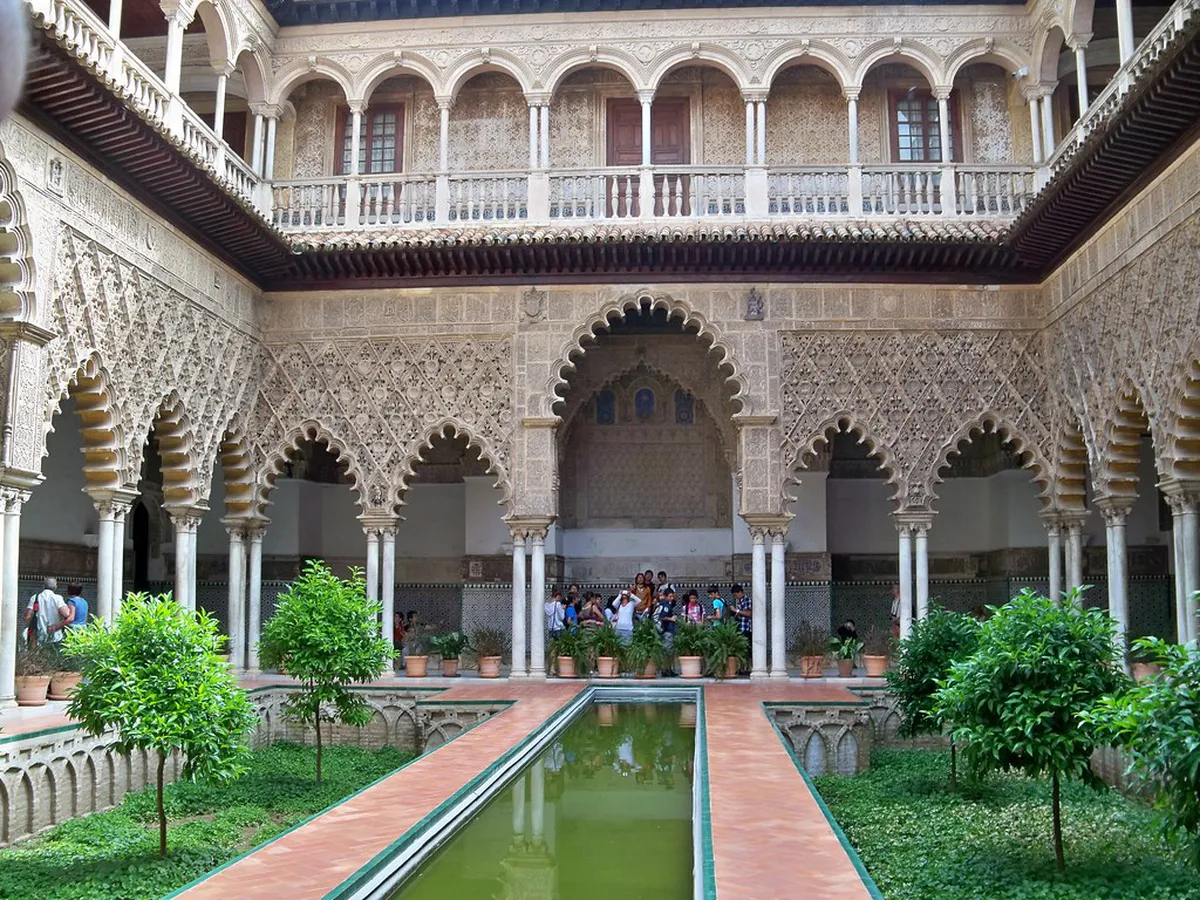
Table of Contents
Explore the Royal Alcázar of Seville's Architectural Marvels
The Royal Alcázar of Seville stands as a breathtaking architectural masterpiece. Its history spans over a thousand years of cultural fusion. Understanding the Alcázar of Seville architecture reveals a rich tapestry of styles. This guide for 2025 explores its intricate details. You will appreciate its unique blend of influences.
This UNESCO World Heritage site showcases diverse design periods. From Moorish origins to Mudejar, Gothic, and Renaissance additions, it has it all. Prepare to dive into the beauty of one of Spain’s most iconic palaces. For a broader overview, explore our Seville architecture guide. This guide highlights the city's overall aesthetic.
A Tapestry of History: Alcázar's Architectural Evolution
The Alcázar began as a Moorish fortress in the 10th century. Caliph Abd al-Rahman III first established the site. Later rulers expanded upon these initial structures. Each new era left its indelible architectural mark. This created a truly unique historical blend.
The palace evolved through various political changes. Christian kings later conquered Seville in 1248. They repurposed and enhanced the existing Islamic structures. This blend of cultures is a defining characteristic. Discover more about the Alcázar's history here. It reveals layers of fascinating development.
The most significant transformation occurred under King Pedro I. He commissioned a grand Mudejar palace in the 14th century. This stunning addition remains largely intact today. It forms the heart of the current Alcázar. His vision combined Islamic artistry with Christian tastes.
Later monarchs continued to add their own flourishes. These included Gothic and Renaissance elements. These additions further enriched the palace's design. The Alcázar became a living museum of architectural styles. Each courtyard and hall tells a different story.
The Heart of Mudejar: Pedro I's Palace
King Pedro I's palace is a Mudejar masterpiece. It represents the pinnacle of Mudejar style. This style blends Islamic and Christian architectural traditions. Skilled Muslim artisans built it for a Christian king. This cultural exchange is evident everywhere.
Key elements include intricate stucco work and colorful azulejo tiles. The detailed carvings cover walls and arches. Look closely at the delicate geometric patterns. They are a hallmark of Islamic art. Learn more about Mudejar style in Seville.
The Patio de las Doncellas (Courtyard of the Maidens) is central. Its reflecting pool and sunken garden are iconic. Delicate arches frame the space perfectly. Upper galleries were added later. They reflect Renaissance influences subtly.
The Salón de Embajadores (Hall of Ambassadors) is truly magnificent. Its dome features a dazzling 'half-orange' design. Golden intricate carvings adorn the walls. This room served as the main throne room. It showcases the zenith of Mudejar craftsmanship. Understanding the Alcázar's Mudejar Palace details its splendor.
Throughout Pedro I's palace, notice the detailed azulejo tiles. These vibrant ceramic panels decorate numerous surfaces. They create stunning visual displays. Each pattern holds symbolic meaning. The Alcázar's collection is one of the finest.
Gothic and Renaissance Additions to the Alcázar
Beyond the Mudejar core, other styles emerge. King Alfonso X introduced Gothic elements. The Gothic Palace features grand halls and pointed arches. It contrasts sharply with the delicate Mudejar work. This shift reflects changing European tastes.
Later, the Catholic Monarchs added Renaissance features. The Patio del Crucero shows this stylistic progression. Portions rebuilt in the Renaissance style offer new perspectives. These new wings brought a sense of European grandeur. You can also see more examples of Gothic architecture in Seville.
The upper floor features living quarters for the royal family. These spaces also show Renaissance influences. Frescoes and classical motifs replaced earlier designs. They demonstrate the evolving decorative trends. These layers create a truly layered experience.
These later additions show the Alcázar's continuous evolution. It was not a static monument but a living palace. Each ruler left a mark on its rich fabric. This makes the Alcázar a fascinating architectural study. Discover other Renaissance palaces in Seville.
Serene Alcázar Gardens and Water Features
⭐ Recommendation: Don't miss out on amazing Seville tours - book now!
The gardens are an integral part of the Alcázar of Seville architecture. They extend the palace's beauty outdoors. Moorish design principles strongly influenced their layout. These gardens offer peaceful retreats. They are perfect for quiet reflection.
Intricate irrigation systems feed the numerous fountains and ponds. Water features were essential in Moorish gardens. They provided cooling and aesthetic pleasure. The sound of flowing water enhances the tranquility. Explore more of Seville's courtyard gardens.
Highlights include the Garden of the Cross and the Garden of the Poets. The Baths of Doña María de Padilla are also notable. These underground chambers offer a unique atmosphere. They provide a cool escape from the Sevillian sun. These spaces were once used by royals.
Throughout the gardens, you will find lush planting. Orange trees and palms create shaded pathways. Sculptures and pavilions add decorative elements. The gardens complement the intricate palace interiors. They provide a stunning natural backdrop.
Planning Your Alcázar of Seville Visit in 2025
Visiting the Alcázar of Seville is a must-do experience. To avoid long queues, book tickets online in advance. Official tickets are available on the Real Alcázar website. Expect to spend 2-3 hours exploring the palace and gardens. This allows for a thorough visit.
The Alcázar is open most days of the year. Check specific visiting hours for landmarks beforehand. Hours generally run from 9:30 AM to 5:00 PM or 7:00 PM. This depends on the season. Morning visits are often less crowded.
Cost: General admission is typically around €14.50 in 2025. This price includes the palace and gardens. Reduced rates are available for students and seniors. Check for updated pricing on the official site. Consider a combined ticket with the Cathedral.
Many guided tours offer deeper insights into the Alcázar's history and architecture. These tours often bypass general admission lines. You can find more details on Seville landmark tickets. A guided experience enhances understanding greatly.
Frequently Asked Questions
🎯 Insider Tip: Discover the best Seville experiences with Viator Tours!
What is Mudejar architecture, as seen in the Alcázar?
Mudejar architecture is a unique blend of Islamic and Christian styles. It developed in Christian Spain after the Reconquista. Muslim craftsmen built structures for Christian patrons. This style features intricate brickwork, glazed tiles (azulejos), and stucco decoration. The Alcázar of Seville is its finest example. Its designs reflect both cultures beautifully.
Which specific architectural styles can visitors see in the Alcázar?
Visitors to the Alcázar can observe several distinct architectural styles. The earliest foundations are Moorish. The most prominent style is Mudejar, particularly in Pedro I's Palace. You will also find Gothic additions, like in the Hall of Justice. Later, Renaissance elements were incorporated. These are visible in some courtyards and royal apartments. The Alcázar truly showcases a blend of historical designs. For more, explore Moorish architecture in Seville.
How long should I plan for an architectural tour of the Alcázar?
To fully appreciate the Alcázar's architecture, plan for at least 2.5 to 3 hours. This allows time to explore both the palace and its extensive gardens. Rushing through will diminish the experience. Consider a self-guided tour or an expert-led one. A self-guided walking tour can also be beneficial. It allows you to set your own pace.
The Alcázar of Seville architecture offers an unparalleled journey through history. Its fusion of Moorish, Mudejar, Gothic, and Renaissance styles is truly unique. Each hall and garden tells a story of cultural exchange. Visiting this palace is an unforgettable experience. It highlights Seville's rich past and artistic heritage.
As you explore, appreciate the intricate details and masterful craftsmanship. The Alcázar continues to captivate visitors worldwide. Plan your 2025 visit to witness this architectural marvel firsthand. Consider an architectural tour in Seville for deeper insights.
Key Takeaways
💡 Pro Tip: Book your Seville adventures in advance through Viator for the best deals!
- The Alcázar showcases Moorish, Mudejar, Gothic, and Renaissance styles.
- Pedro I's Mudejar Palace, including Patio de las Doncellas, is the main highlight.
- Book tickets online in advance for your 2025 visit to avoid long queues.
- Allow 2.5-3 hours to fully explore both the palace and its beautiful gardens.