
Explore the Architectural History of Seville Alcázar
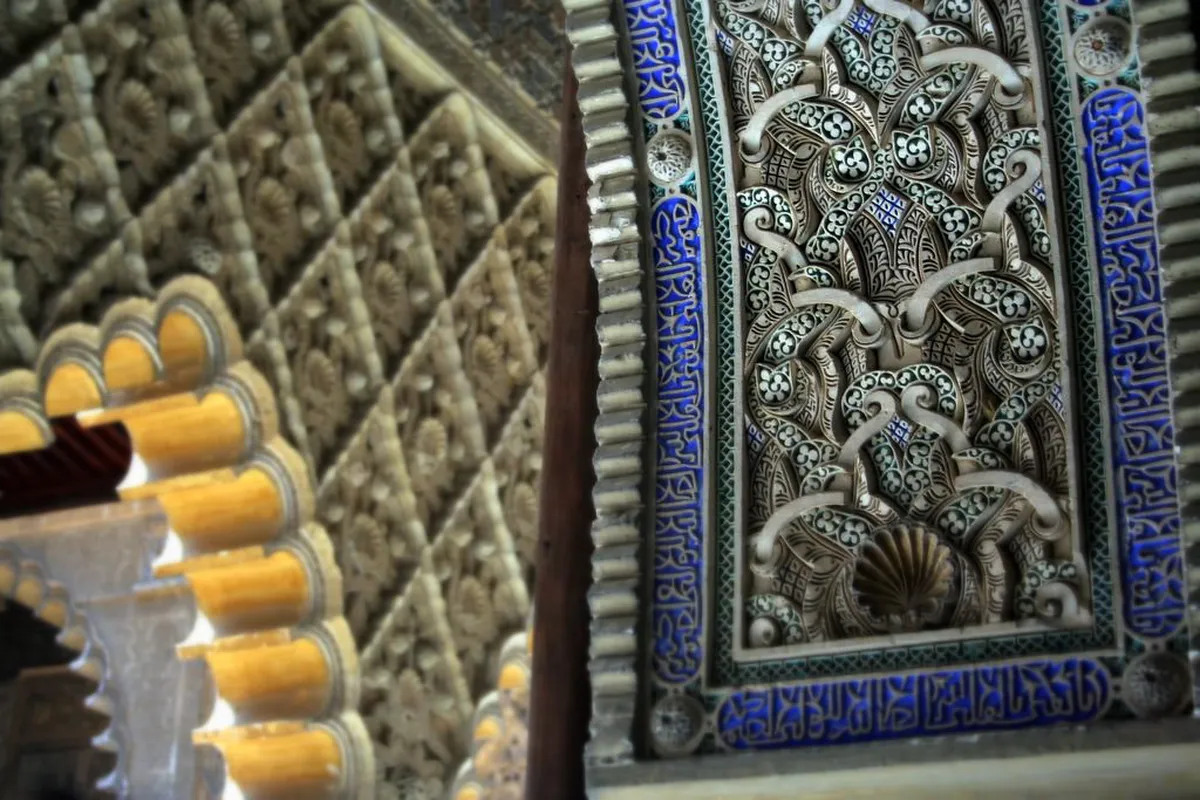
Table of Contents
Unveiling the Architectural History of the Seville Alcázar
The Royal Alcázar of Seville offers a captivating journey. Its architectural history of the Seville Alcázar spans over a millennium. This UNESCO World Heritage site showcases diverse building styles. Each era left its unique mark on this stunning palace complex.
Understanding its evolution enhances your visit. You will appreciate the intricate details even more. Explore the various transformations this royal palace endured. It stands as a testament to Seville's rich cultural past. Prepare to be amazed by its beauty.
Moorish Foundations: The Almohad Origins
The story of the Alcázar begins with its Moorish roots. An Almohad fortress was first built here. This occurred in the 10th century. Its strong defensive walls protected the city. Evidence of this early structure remains today.
The original layout included courtyards and administrative buildings. Water features were crucial for cooling. Intricate tile work, known as azulejo tiles, adorned interiors. This era laid the groundwork for future expansions. It defined the initial palace footprint.
Moorish architectural principles emphasized harmony. Courtyards provided private green spaces. They offered shade and tranquility. The Almohad style focused on functionality and elegance. Visitors can still feel this ancient spirit. Learn more about Moorish architecture in Seville.
Pedro I's Masterpiece: The Mudejar Palace
King Pedro I of Castile commissioned a new palace. This happened in the 14th century. He built it directly over the Almohad remains. His goal was to create a grand royal residence.
This palace exemplifies the unique Mudejar style in Seville. It blended Islamic artistry with Christian design. Moorish craftsmen were employed for its construction. They brought their incredible skills to the project.
Key areas include the Patio de las Doncellas. Its serene reflecting pool is iconic. The Salón de Embajadores boasts a magnificent dome. These spaces showcase exquisite plasterwork and tiling. Understanding the Alcázar's Mudejar Palace reveals its genius.
The Patio de las Muñecas is another beautiful example. Its name comes from hidden doll faces. The intricate details are truly mesmerizing. Visitors should look closely at every archway. This period defines much of the Alcázar's current charm.
Gothic and Renaissance Transformations
Following the Reconquista, Christian kings added new sections. Alfonso X the Wise introduced Gothic elements. This marked a shift in architectural influence. His additions can be seen in the Gothic Palace.
Later, during the Renaissance, further changes occurred. Isabella and Ferdinand, and Emperor Charles V, expanded the palace. They incorporated European Renaissance forms. This blend of styles is a hallmark of the Alcázar.
The Palacio Gótico features impressive vaulted ceilings. The chapel also reflects this distinct style. Charles V's contributions included new courtyards. These showcased the symmetrical beauty of the Renaissance palaces of Seville.
One notable addition is the Estanque de Mercurio. This mercury pond features Renaissance sculptures. Its design offers a contrast to older sections. This evolution showcases centuries of royal tastes. Discover more about Gothic architecture in Seville.
The Alcázar Gardens: An Evolving Landscape
💡 Pro Tip: Book your Seville adventures in advance through Viator for the best deals!
The gardens are an integral part of the Alcázar's design. They reflect centuries of landscaping traditions. Moorish, Renaissance, and Romantic styles coexist. These green spaces offer a peaceful retreat.
Originally, water features and fruit trees dominated. This provided both beauty and sustenance. Later, elaborate fountains and sculptures were added. They enhanced the overall aesthetic appeal.
Specific garden areas include the Jardín de la Danza. The Baños de Doña María de Padilla are also famous. These underground baths provide a cool escape. Exploring the gardens reveals even more Seville courtyard gardens history.
Plan your visit in 2025 to fully enjoy the gardens. Spring and autumn are especially beautiful. Check visiting hours for landmarks to maximize your time. The blend of nature and architecture is truly stunning.
Frequently Asked Questions
What is the primary architectural style of the Alcázar?
The primary style is Mudejar. This unique blend combines Islamic and Christian design. It features intricate stucco, tiling, and ornate wooden ceilings. King Pedro I's palace is a prime example of Mudejar mastery.
Which historical periods influenced the Alcázar's design?
The Alcázar's design was influenced by several periods. These include Moorish (Almohad), Gothic, and Renaissance styles. Each era added distinctive elements to the complex. This creates its rich and layered appearance.
Can I see examples of Moorish architecture at the Alcázar?
Yes, you can see Moorish architectural examples. The foundational walls are from the Almohad fortress. Elements like horseshoe arches and geometric patterns persist. For deeper understanding, explore Seville's architecture guide.
What are some must-see architectural features in the Alcázar?
You must see the Patio de las Doncellas. The Salón de Embajadores is also essential. Don't miss the intricate details of the Patio de las Muñecas. The overall Alcázar of Seville architecture offers endless beauty.
The architectural history of the Seville Alcázar is a grand narrative. It tells tales of rulers and artistic innovation. From its Almohad origins to Mudejar splendor, it captivates visitors. Every corner reveals centuries of cultural fusion.
Plan your 2025 trip to Seville to witness this marvel. Book your landmark tickets in advance. Immerse yourself in the beauty of its diverse styles. This historic palace truly is an architectural gem.
Key Takeaways
🎯 Insider Tip: Discover the best Seville experiences with Viator Tours!
- The Alcázar evolved from Moorish, Mudejar, Gothic, and Renaissance styles.
- King Pedro I's Mudejar Palace is the most renowned section.
- Intricate details like azulejos and stucco are found throughout.
- The gardens are an essential part of the architectural experience.
- Book tickets in advance for your 2025 visit to avoid crowds.