
Aníbal González's Architectural Style in Seville
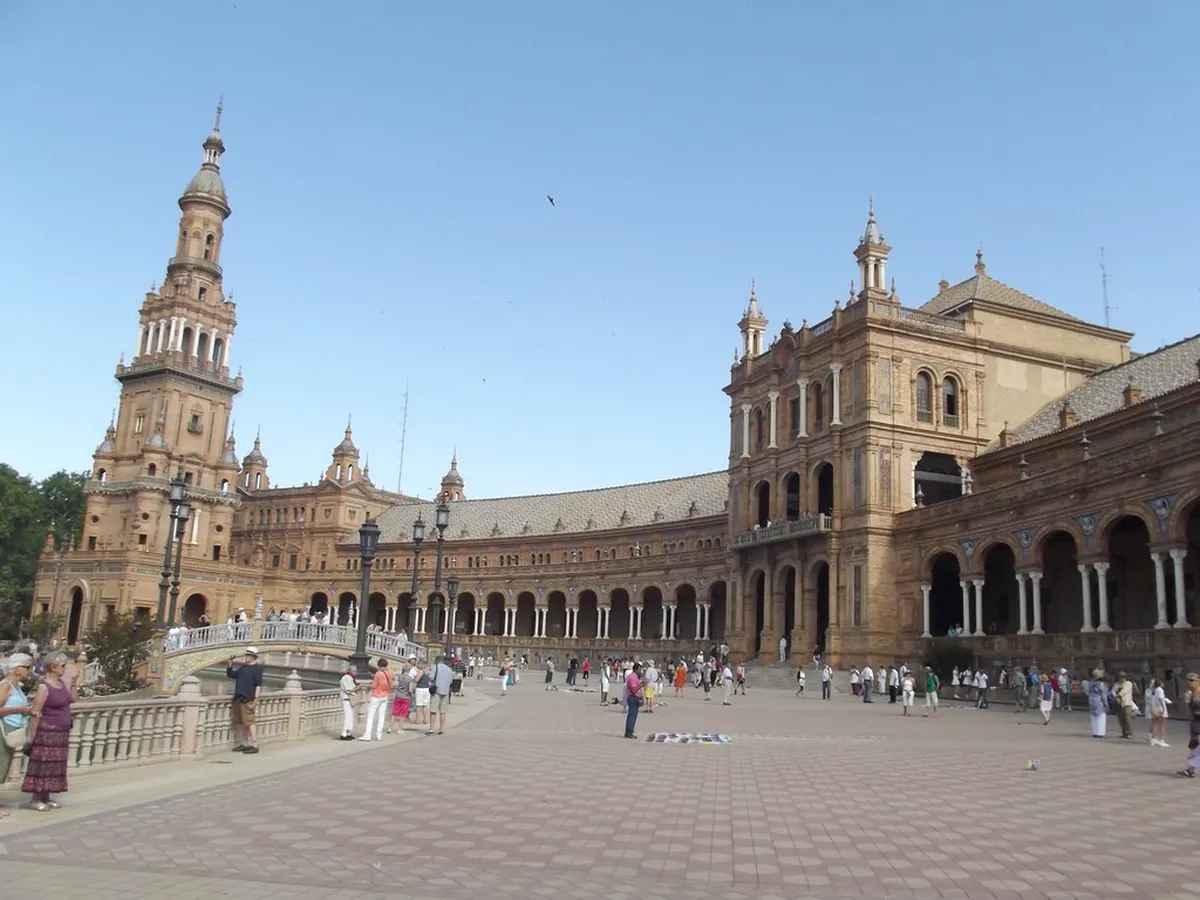
Table of Contents
Unveiling Aníbal González's Architectural Style in Seville
Seville boasts a rich architectural heritage. Among its greatest contributors is Aníbal González. His distinctive style transformed the city's appearance. It blended tradition with a fresh perspective. Explore the magnificent legacy of Aníbal González in Seville.
Aníbal González created iconic structures for the Ibero-American Exposition of 1929. His work defines much of Seville's charm. Understanding his approach enriches any visit. This article delves into the architectural style of Aníbal González. Prepare to be inspired by his genius.
The Birth of Sevillian Regionalism
Aníbal González pioneered Sevillian Regionalism. This architectural movement emerged in the early 20th century. It celebrated local history and building traditions. González sought to create a distinct Sevillian identity. He moved away from purely modern European trends.
His style drew heavily from Mudejar and Baroque influences. These historical styles offered rich decorative elements. González reinterpreted them for a new era. He combined traditional forms with contemporary functionality. This created a truly unique aesthetic.
The Ibero-American Exposition of 1929 was his canvas. González designed many key buildings for this event. These structures showcased his Regionalist vision. They became symbols of Seville's cultural pride. Discover more about Seville's diverse architecture.
Key Elements of González's Signature Style
The architectural style of Aníbal González is highly recognizable. It features specific materials and decorative motifs. These elements give his buildings their iconic look. Visitors can easily spot his influence across Seville.
Brickwork and Azulejos: González used exposed brick extensively. It provided texture and warmth. He famously incorporated vibrant azulejo tiles. These colorful ceramics adorned facades and interiors. They depict historical scenes, coats of arms, and geometric patterns. Explore the beauty of azulejo tiles in Seville.
Ornate Ironwork: Intricate iron balconies and grilles are common. They add elegance and security. These details reflect traditional Sevillian craftsmanship. Look for them on windows and gates. They enhance the overall decorative scheme.
Arches and Towers: Moorish-inspired horseshoe arches appear frequently. These recall Seville's rich Islamic past. Small towers and turrets often crown his buildings. They add verticality and a picturesque quality. His work also embraces Moorish architectural elements.
Masterpieces: Plaza de España and Beyond
Aníbal González's magnum opus is undoubtedly the Plaza de España. Designed for the 1929 Exposition, it is breathtaking. The plaza combines elements of Baroque, Renaissance, and Mudejar revival styles. Its grand scale and intricate details are remarkable.
The main building forms a massive semicircle. It features a canal, bridges, and provincial alcoves. Each alcove showcases unique azulejo mosaics. These represent Spain's provinces. The Plaza de España's design attracts millions of visitors annually in 2025.
Other significant works include the Museum of Arts and Traditions. It is also located in María Luisa Park. The Royal Pavilion offers another fine example. These buildings exemplify his commitment to Regionalist ideals. They stand as enduring monuments to his vision.
Experiencing González's Legacy Today
💡 Pro Tip: Book your Seville adventures in advance through Viator for the best deals!
Visiting Seville offers many chances to see González's work. Most of his iconic buildings are open to the public. The Plaza de España is freely accessible daily. Enjoy a boat ride on its canal. Consider hiring a guide for deeper insights.
Many buildings are now museums or government offices. Check their official websites for current hours and ticket prices. For example, the Museum of Arts and Traditions costs around €1.50 for EU citizens. Non-EU citizens pay approximately €3.00. Planning your visit in 2025 is easy.
A Seville architecture tour can highlight his contributions. Guided tours often provide historical context. They point out specific stylistic features. Explore more of Aníbal González's famous buildings.
Frequently Asked Questions
What is the primary influence on Aníbal González's architecture?
Aníbal González drew heavily from historical Sevillian styles. His primary influences included Mudejar and Baroque architecture. He also incorporated elements from Renaissance design. This blend created his unique Regionalist style. These inspirations are evident throughout his major works.
Which are Aníbal González's most famous buildings in Seville?
His most renowned work is the Plaza de España. It remains a global architectural icon. Other notable structures include the Royal Pavilion and the Museum of Arts and Traditions. These are all located within the expansive María Luisa Park. Visit them for a comprehensive view.
How can I best appreciate González's architectural details?
Pay close attention to the intricate details. Notice the colorful azulejo tiles. Observe the elaborate brickwork patterns. Admire the wrought-iron balconies and grilles. Consider a self-guided walking tour. This allows you to explore at your own pace. Also, look for the unique ornate doorways.
The architectural style of Aníbal González defines a golden era for Seville. His Regionalist vision left an indelible mark. His buildings are more than structures; they are cultural statements. They continue to inspire and enchant visitors.
Plan your trip to Seville in 2025 to experience this heritage. Walk through the Plaza de España. Marvel at the intricate details. Discover why González remains a beloved figure. Explore Seville’s architectural wonders and learn more at Architect Tourist.
Key Takeaways
- Aníbal González pioneered Sevillian Regionalism, blending local traditions with new ideas.
- His style features prominent brickwork, vibrant azulejos, and ornate ironwork details.
- The Plaza de España is his masterpiece, combining Mudejar, Baroque, and Renaissance influences.