
Aníbal González's Most Famous Buildings in Seville
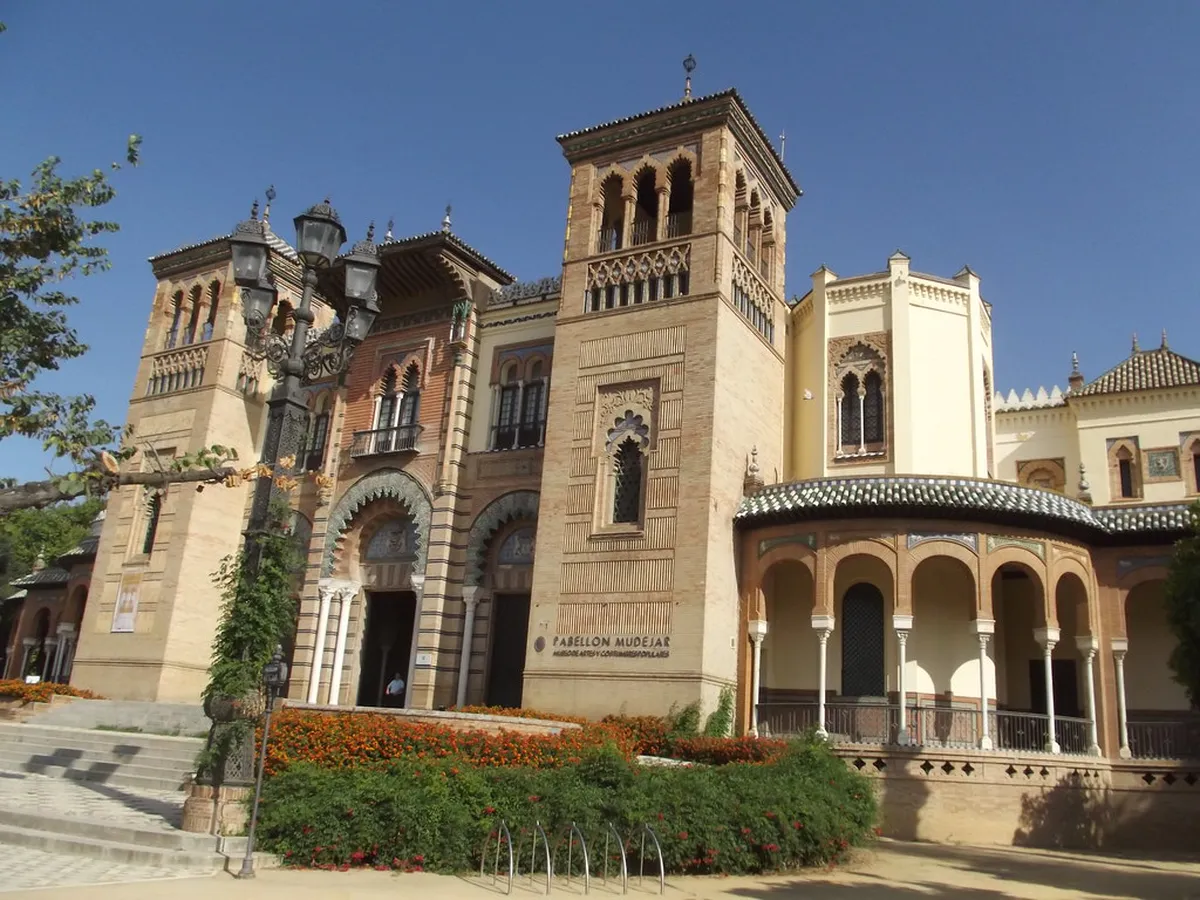
Table of Contents
Discover Aníbal González's Iconic Buildings in Seville
Seville boasts a rich architectural heritage. Among its greatest contributors is Aníbal González. He shaped much of the city's modern identity. González left an undeniable mark on Seville's architecture.
His unique Regionalist style combines traditional elements. He drew inspiration from Mudejar, Gothic, and Baroque designs. This article highlights Aníbal González's most famous buildings in Seville. Learn more about the visionary Aníbal González, architect.
Plaza de España: Aníbal González's Masterpiece
The Plaza de España is undoubtedly his magnum opus. It was built for the 1929 Ibero-American Exposition. This grand plaza showcases the Regionalist style perfectly. It is a stunning example of Aníbal González's vision.
The plaza features a semi-circular brick building. It is adorned with intricate azulejo tiles. These tiles depict historical scenes from Spain's provinces. Rent a rowboat on the canal for a unique experience.
Visitors can stroll across its many bridges. Four bridges represent the ancient kingdoms of Spain. The Plaza de España remains a top attraction today. Admission is free, open all day every day.
Practical Tip: Visit in early morning for fewer crowds. Consider an evening visit to see the plaza illuminated. The sheer scale is truly breathtaking. Explore Plaza de España's design in detail.
Pabellón Real (Royal Pavilion): A Neo-Gothic Gem
Another significant work is the Pabellón Real. This Royal Pavilion also resides in Parque de María Luisa. It once housed the Royal Family during the 1929 Expo. Its architectural style leans towards Neo-Gothic.
The building features elegant pointed arches and intricate carvings. These details evoke a sense of grandeur. It contrasts beautifully with other pavilions. Today, it serves as the Museum of Customs and Traditions. Check current opening hours before visiting.
Expect an entrance fee for the museum exhibits. The exterior alone is worth admiring. Its delicate design stands out among other structures. Aníbal González expertly blended historical influences here.
Visitors in 2025 will find updated displays. The interior provides insight into Andalusian culture. Its serene setting enhances the overall experience. This building is a must-see.
Pabellón Mudéjar (Mudejar Pavilion): Tiled Splendor
The Pabellón Mudéjar is another highlight of the exposition. It is found within the beautiful Parque de María Luisa. Aníbal González designed this pavilion with Mudejar influences. The style is evident in its brickwork and tile details.
It now houses the Museum of Popular Arts and Traditions. The museum showcases traditional crafts. You can see ceramics, costumes, and agricultural tools. This offers a glimpse into local life.
The building's façade is exceptionally charming. It features exquisite Mudejar-style decorations. These elaborate elements are a true delight. The pavilion reflects Seville's rich artistic heritage.
Entry to the museum typically costs a few euros. Plan for about an hour to explore fully. It is a peaceful escape from busy city streets. Discover more about Aníbal González's architectural style.
Pabellón de Bellas Artes (Fine Arts Pavilion): Art and History
⭐ Recommendation: Don't miss out on amazing Seville tours - book now!
Aníbal González also created the Pabellón de Bellas Artes. This Fine Arts Pavilion was another key part of the 1929 Expo. It hosted important art exhibitions during that time. Today, it is home to the Archaeological Museum.
The museum displays artifacts from ancient civilizations. Discover Roman mosaics and Tartessian treasures. It is located near the Plaza de España. This building contributes to the park's cultural richness.
Its design is less overtly ornate than some others. However, it still maintains González's elegant touch. The building features harmonious proportions. It is built from brick and stone.
This museum offers free entry for EU citizens. Non-EU citizens pay a small fee. Allow at least two hours for your visit. Check visiting hours for landmarks beforehand.
Aníbal González's Lasting Influence on Seville
Aníbal González profoundly shaped Seville's appearance. His Regionalist style became emblematic of the city. He blended traditional Spanish elements expertly. This style defined a generation of building.
He championed the use of local materials. These included brick, ceramic tiles, and wrought iron. Many Andalusian-style homes adopted his design principles. His work celebrates Seville's unique identity.
González's legacy extends beyond the Expo grounds. He designed numerous private residences and public works. His vision continues to inspire architects. His buildings are cherished cultural treasures.
Understanding his work enriches your visit to Seville. Look for his signature details around the city. Consider joining Seville architecture tours. They provide deeper insights into his creations.
Frequently Asked Questions
What architectural style defines Aníbal González's most famous buildings in Seville?
Aníbal González is best known for his Regionalist style. This style blends local Andalusian traditions. It incorporates elements like Mudejar, Gothic, and Baroque. His work celebrates Seville's unique heritage.
He used materials such as brick, colorful azulejo tiles, and wrought iron. This created a distinctive aesthetic. The architectural style of Aníbal González is truly unique. It defined much of Seville's appearance.
Can visitors enter Aníbal González's buildings in Seville today?
Yes, many of Aníbal González's buildings are open to the public. The Plaza de España is freely accessible at all times. Other pavilions now house museums. These include the Archaeological Museum and the Museum of Popular Arts.
These museums usually charge a small entrance fee. Some offer free admission on specific days. Check their official websites for 2025 hours and ticket prices. Plan your Seville landmark tickets in advance.
What is the best way to experience Aníbal González's architecture in Seville in 2025?
Start by visiting the Plaza de España and Parque de María Luisa. This area contains his most significant works. Allow several hours to explore these sites thoroughly. Consider a self-guided walking tour.
Wear comfortable shoes for walking. Bring water, especially during warmer months. Visit early in the morning or late afternoon. This avoids peak crowds and intense sun.
Aníbal González profoundly shaped Seville's urban landscape. His iconic buildings remain timeless landmarks. They continue to captivate visitors in 2025. His blend of tradition and innovation is remarkable.
Experience the beauty and history of his creations firsthand. Plan your visit to these architectural wonders today. Explore more of Seville's architectural marvels.
Key Takeaways
- Aníbal González's Plaza de España is a free, must-see attraction.
- Many of his pavilions now function as museums; check fees and hours for 2025.
- His Regionalist style combines traditional Sevillian and Spanish architectural elements.