
Discover Mudéjar Architecture in Seville: A Guide
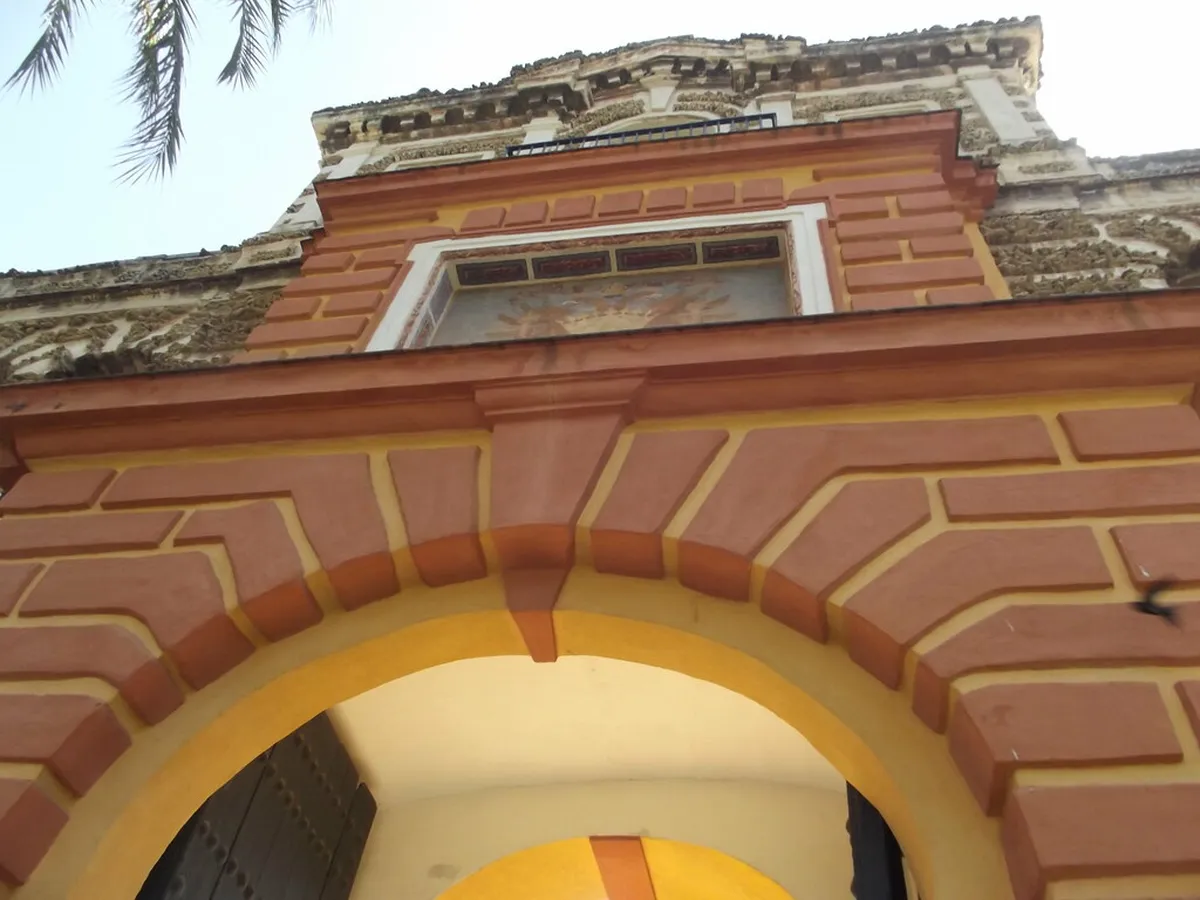
Table of Contents
Unveiling Seville's Mudéjar Architecture: A Blend of Cultures
Seville boasts a truly unique architectural style. Mudéjar architecture in Seville is a captivating blend of cultures. It reflects centuries of shared history and artistic exchange. This distinctive style combines Islamic and Christian design elements. Prepare to explore this fascinating heritage.
Understanding Mudéjar helps you appreciate Seville's beauty. It offers insights into Spain's past. From grand palaces to humble homes, its presence is undeniable. Discover more in our comprehensive Seville architecture guide. Many buildings exemplify this stunning style.
What Defines Mudéjar Architecture in Seville?
Mudéjar architecture represents a unique artistic fusion. It developed in Christian kingdoms after the Reconquista. Muslim artisans, called Mudéjars, continued their traditions. They applied Islamic techniques to new Christian structures. This created an entirely new aesthetic.
Key characteristics include intricate brickwork and elaborate plasterwork. Geometric patterns are very common. Decorative tilework, known as azulejo tiles, adds vibrant color. Wooden *artesonado* ceilings feature complex designs. These elements showcase incredible craftsmanship.
You will often find horseshoe arches. Courtyards with fountains are also typical. These designs often appear in churches and palaces. Mudéjar buildings reflect a beautiful cultural dialogue. It is truly a defining feature of the city's identity.
The Rich History of Mudéjar Style in Seville
The Mudéjar style emerged after the 13th-century Reconquista. Christian kings conquered previously Muslim territories. Seville fell to Ferdinand III in 1248. However, Muslim craftsmen remained in the city. Their skills were highly valued by the new rulers.
These artisans blended their Islamic heritage with Gothic and Romanesque forms. They constructed new churches and palaces. This blend became known as Mudéjar style. It served as a bridge between two distinct cultures.
The style flourished particularly in the 14th and 15th centuries. It signified a period of coexistence and artistic innovation. Many of Seville's most cherished buildings date from this era. This rich history shaped the very fabric of the city. You can trace this influence through Seville's historical periods.
Iconic Mudéjar Buildings to See in Seville (2025)
Seville offers stunning examples of Mudéjar architecture. The Real Alcázar of Seville is perhaps the finest. Its Pedro I Palace section is a Mudéjar masterpiece. Book your tickets online to save time in 2025. It opens daily, usually from 9:30 AM to 5:00 PM (winter) or 7:00 PM (summer).
Another must-see is the Casa de Pilatos. This palace combines Mudéjar, Gothic, and Renaissance styles. Its courtyards and intricate decorations are breathtaking. Entrance fees are around 12-15 Euros. Check visiting hours before your visit.
Even the Seville Cathedral, a Gothic giant, has Mudéjar traces. The Giralda Tower was originally a minaret. Many smaller churches also feature Mudéjar elements. Explore the Santa Cruz quarter for hidden gems.
Spotting Mudéjar Details: A Visual Guide
💡 Pro Tip: Book your Seville adventures in advance through Viator for the best deals!
Look for certain visual cues to identify Mudéjar design. Polychrome *artesonado* ceilings are a key indicator. These wooden ceilings feature geometric star patterns. They often use contrasting colors like red and gold. They are simply stunning to behold.
Decorative brickwork is also prevalent. You'll see patterns created with simple bricks. Intricate plasterwork, or *yesería*, adorns walls and arches. These designs often feature arabesques and floral motifs. Our guide on spotting Mudéjar details can help.
Finally, vibrant azulejo tiles are a hallmark. These glazed ceramic tiles cover walls, floors, and benches. They create colorful, repetitive geometric or calligraphic patterns. Pay attention to these details on your walks.
Frequently Asked Questions
Why is Mudéjar architecture so important in Seville?
Mudéjar architecture is vital as it embodies Seville's cultural fusion. It showcases a historical period of coexistence. Muslim artisans continued their craft under Christian rule. This produced a unique, beautiful architectural legacy. It tells a story of Seville's identity.
What is the difference between Mudéjar and Moorish architecture?
Moorish architecture developed under Islamic rule. It is purely Islamic in its origins. Mudéjar architecture is a Christian style. However, it incorporates many Islamic decorative techniques. It arose after the Christian Reconquista. For more, see Moorish architecture in Seville.
Can I take a Mudéjar architecture tour in Seville?
Yes, many guided tours focus on Seville's rich architectural heritage. These often highlight Mudéjar sites. You can find walking tours that include the Alcázar and Casa de Pilatos. Consider a Seville architecture tour for expert insights. A self-guided tour is also possible.
Seville's Mudéjar architecture offers a rich tapestry of history and art. It stands as a testament to cultural exchange. This unique style merges Islamic artistry with Christian design. Explore its intricate details and grand structures.
Plan your visit to truly immerse yourself in this heritage. Discover the beauty of Seville's iconic buildings. Start your journey into Mudéjar style in Seville today. You will gain a deeper appreciation for the city.
Key Takeaways
- Mudéjar style blends Islamic artistry with Christian architectural forms.
- Look for intricate brickwork, elaborate plasterwork, and vibrant azulejo tiles.
- The Real Alcázar and Casa de Pilatos are prime examples to visit in Seville.