
Pollença's Moorish History: Uncovering Ancient Spain
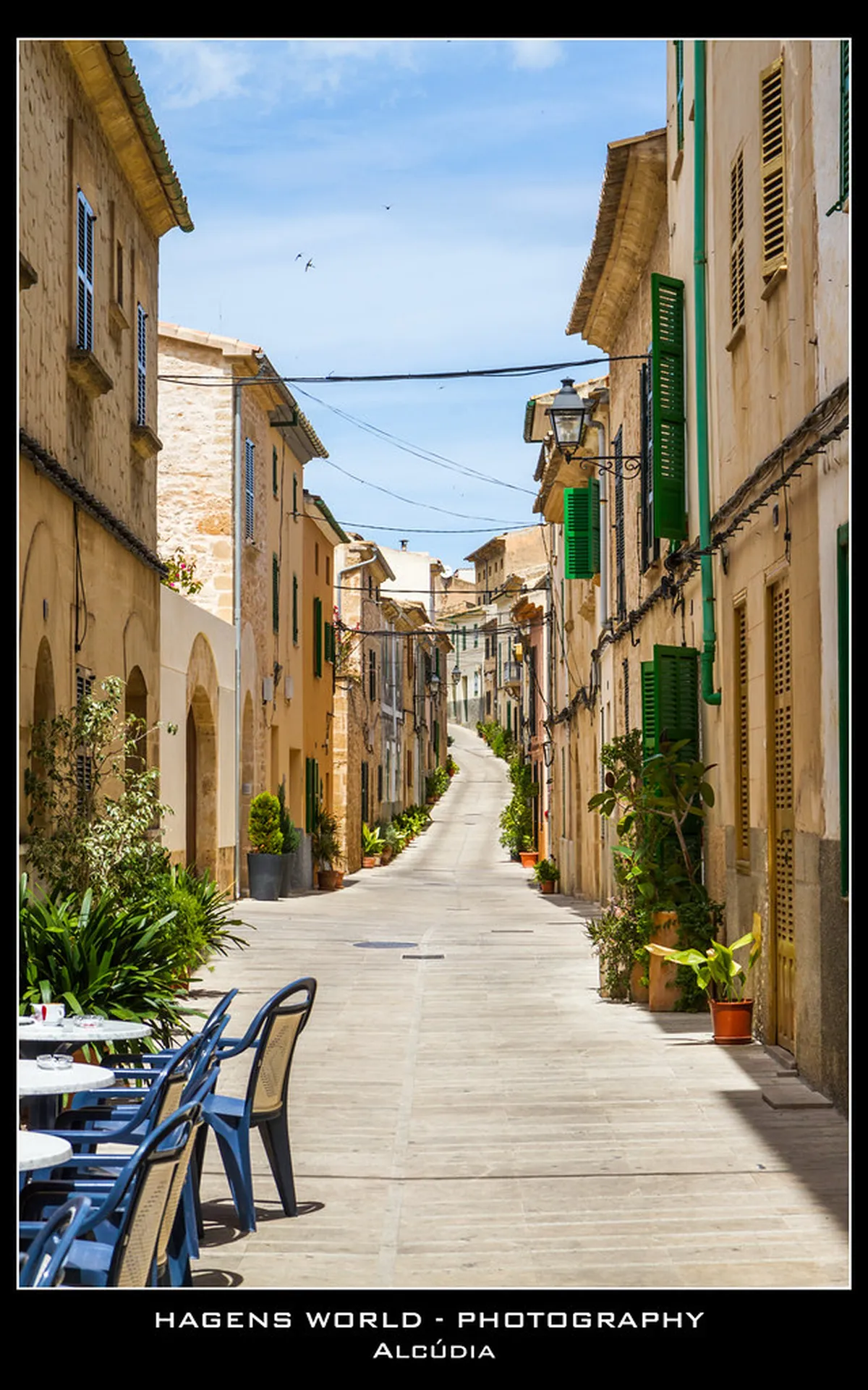
Table of Contents
Discovering the Moors' History in Pollença, Spain
Pollença, a charming town in Mallorca, holds a deep and complex past. Its history stretches back centuries, shaped by many different cultures. Among the most influential were the Moors. Their presence left an indelible mark on the region.
Understanding the history of the Moors in Pollença Spain reveals a fascinating chapter. They introduced new ideas, architecture, and agricultural practices. This legacy continues to influence the town's character even today. Explore Pollença's rich past with our Pollença architecture guide. You will discover many hidden historical layers.
The Moorish Arrival and Long Rule in Mallorca
The Moors arrived in Mallorca around 902 AD. This marked the beginning of a significant era. They brought Islamic rule to the Balearic Islands. Pollença, like much of Mallorca, became part of Al-Andalus.
Their reign lasted over three centuries, shaping the island profoundly. Moorish culture deeply influenced local customs. They established sophisticated administrative systems. This period remains vital to Pollenca's overall Pollença historic landmarks.
The Moors transformed agricultural practices across Mallorca. New crops and irrigation techniques flourished. This led to greater prosperity for the region. Their impact laid foundations for future development. Learn more about the Moorish influence on architecture.
During this time, Pollença was a thriving settlement. Its strategic location was highly valued. The Moors built and developed the town further. Their legacy echoes in many subtle ways.
Architectural Echoes of Moorish Pollença
Direct Moorish buildings are rare in Pollença today. However, their architectural influence persists. You can find subtle elements integrated into later structures. Look closely at older parts of town.
Moorish design often features intricate geometric patterns. They also favored horseshoe arches and decorative tilework. While grand mosques are gone, these details influenced local builders. Discovering Moorish design elements in Pollença is a rewarding quest.
Many traditional building techniques also stem from Moorish practices. Stone masonry and water management systems reflect this heritage. The use of local sandstone was common. This material provided durability and beauty to structures. Understand sandstone building techniques in the region.
Even the layout of some older streets can show Moorish planning. Narrow, winding lanes offered shade and defense. This urban planning was practical and efficient. It protected inhabitants from the Mediterranean sun. Exploring old town architectural details reveals this history.
Cultural and Agricultural Innovations Brought by Moors
The Moors brought immense cultural enrichment to Mallorca. Their advanced knowledge transformed the island. This included significant agricultural improvements. They introduced sophisticated irrigation systems.
These systems included canals and wells. They allowed for cultivating new crops. Oranges, lemons, rice, and sugar cane thrived. These innovations significantly boosted the local economy. This established Pollença as an important agricultural center.
Beyond farming, Moorish craftsmanship flourished. They excelled in ceramics, textiles, and metalwork. These skills enriched local industries. Their artistic influences can still be seen in traditional patterns. Many traditional Pollenca historic townhouses might hint at this past.
The Moors also impacted language and place names. Many Mallorcan words have Arabic roots. This linguistic legacy is a testament to their long rule. Even the design of some traditional Mallorcan courtyards might reflect their influence.
The Christian Reconquista and Enduring Traces
💡 Pro Tip: Book your Madrid adventures in advance through Viator for the best deals!
The Christian Reconquista reached Mallorca in 1229 AD. King Jaume I of Aragon led the conquest. This brought an end to over 300 years of Moorish rule. The island transitioned to Christian governance.
Many Moorish communities were either expelled or converted. Despite this, their influence did not vanish entirely. Many aspects of their culture were absorbed. Local traditions often blended Moorish elements. This created a unique Mallorcan identity.
New churches and buildings replaced or repurposed older structures. For example, some Gothic churches in Pollença might stand on older foundations. The architectural styles shifted. Yet, faint echoes of the past remained embedded.
Understanding this transition is key to Pollença's history. It explains why direct Moorish sites are rare. However, the legacy is found in farming, language, and certain design elements. This rich period connects to even earlier eras, like Roman architecture in Pollença.
Experiencing Moorish Legacy in Pollença Today (2025)
⭐ Recommendation: Don't miss out on amazing Madrid tours - book now!
Visiting Pollença in 2025 offers a chance to explore its layered history. While direct Moorish structures are scarce, their impact is palpable. Look for subtle architectural cues throughout the old town. Pay attention to water features and traditional gardens.
Consider taking a guided Pollença architecture walking tour. These tours can highlight specific details. Expert guides can point out unique historical blends. They help identify those
Frequently Asked Questions
What specific Moorish influences can I see in Pollença's architecture?
Direct Moorish buildings are rare after the Reconquista. However, subtle influences persist. Look for horseshoe arch motifs, geometric tile patterns, and courtyard designs. Observe older homes' construction methods. You might spot remnants of their sophisticated water systems. Many local architectural features borrowed from Moorish design principles. Find more about Moorish design elements in Pollença.
How long did the Moors rule Pollença and Mallorca?
The Moors ruled Pollença and Mallorca for over three centuries. Their presence began around 902 AD. This significant period ended in 1229 AD with the Christian Reconquista. Their long rule left a profound impact on the island's culture. This era is a cornerstone of Pollença's historic landmarks.
Where can I learn more about Pollença's pre-Moorish history?
Pollença has a rich history predating the Moors. Evidence of Roman presence is significant. You can explore ruins and artifacts from this period. The Roman bridge is a notable example. For more, consult resources on Roman architecture in Pollença. This offers a glimpse into earlier civilizations.
Are there any Moorish historical sites still standing in Pollença?
Due to the Christian Reconquista, few distinct Moorish structures remain. Many buildings were either destroyed or adapted. However, their legacy lives on in architectural styles and urban planning. The influence is subtle rather than overt. You can still learn about the extensive Moorish influence on architecture in the area.
The history of the Moors in Pollença, Spain, is a captivating narrative. Their three-century rule transformed the town profoundly. They left a lasting legacy in culture, agriculture, and subtle architecture. Pollença remains a testament to this rich, multi-layered past.
As you wander through Pollença, remember its diverse heritage. Seek out the hidden stories and influences from this important era. Plan your visit to explore this unique history. Consider booking a Pollença architecture tour. It offers deeper insights into the town's fascinating journey.
Key Takeaways
- Moorish rule significantly shaped Pollença for over 300 years.
- Look for subtle architectural, agricultural, and cultural influences.
- Pollença's history is a rich blend of many diverse civilizations.
- Expert-led tours can help uncover hidden Moorish heritage in 2025.