
Pollença Old Town Architectural Details Guide 2025
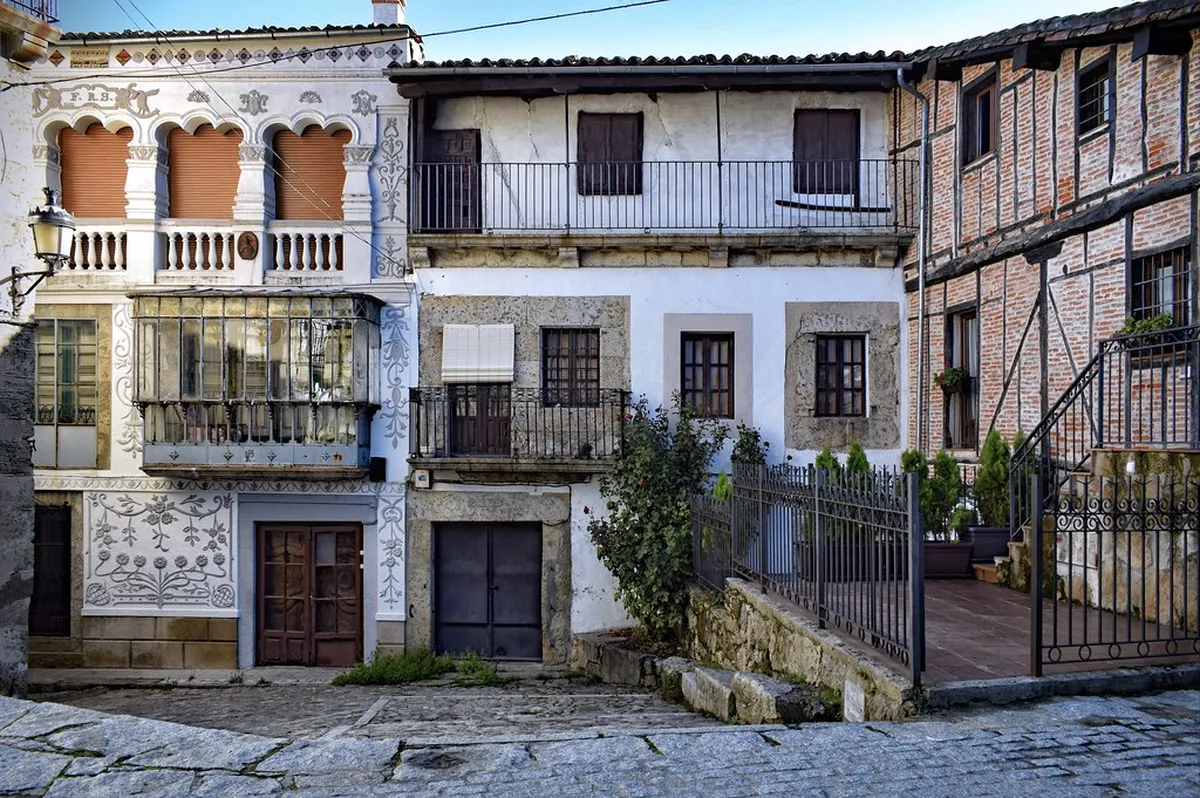
Table of Contents
Uncovering Pollença's Rich Old Town Architectural Details
Pollença, a charming town in Mallorca, Spain, offers a rich tapestry of history. Its old town architectural details tell stories of centuries past. From ancient Roman influences to elegant Baroque structures, every corner holds a discovery. This guide helps you explore these fascinating designs in 2025.
Wandering through Pollença's narrow streets reveals unique building styles. You will discover captivating facades, traditional stone work, and diverse architectural periods. Prepare to be inspired by the intricate craftsmanship. Understanding these details enriches your visit to this beautiful Spanish gem. Plan your architectural adventure through Pollença today. Learn more about ArchitectTourist for global insights.
The Iconic Calvari Steps: A Design Landmark
The Calvari Steps are a prominent feature of Pollença's old town. These 365 steps lead to a small chapel atop a hill. Each step offers a glimpse into local design and construction. The journey itself becomes an architectural experience.
At the summit, you find the Oratori del Calvari chapel. Its simple, robust architecture reflects local traditions. From here, enjoy breathtaking panoramic views of the town. This spot is perfect for capturing stunning photographs. Explore the Calvari Steps architecture in detail.
Along the ascent, notice the traditional Mallorcan stone work. The craftsmanship speaks volumes about Pollença's building heritage. Early morning offers cooler temperatures for your climb. It is also an ideal time for peaceful reflection.
Many architecture photo spots are found here. Look for unique angles of the steps and surrounding town. The interplay of light and shadow highlights the stone textures. Consider a visit at sunset for dramatic effects.
Pollença's Historic Townhouses and Their Facades
The heart of Pollença boasts numerous historic townhouses. These buildings showcase typical Mallorcan architecture. Their facades often feature warm sandstone and green shutters. This combination creates a distinctive visual appeal.
Many townhouses display intricate wrought iron balconies. These decorative elements add elegance and charm. Each balcony design can be unique. They offer a touch of artisanal flair to the streets.
Pay attention to the unique doorways in Pollença. Some feature grand stone arches. Others have ornate wooden doors with elaborate knockers. These entrances are often works of art themselves. They hint at the history within each home.
Don't miss the subtle details like family crests. You can often spot these carved into lintels or above doorways. Identifying these crests adds another layer of historical intrigue. Learn more about spotting family crests on these historic homes. Many of these townhouses date back centuries, preserving rich heritage.
Tracing Pollença's Diverse Architectural Influences
Pollença's architecture is a testament to its varied history. Roman influence, though subtle, can still be found. Remains of ancient structures exist in the wider region. These early settlements laid the groundwork for future building.
The Moorish occupation also left its mark on the island. While less overt in Pollença's old town, subtle influences persist. Look for design elements in courtyard layouts. The Moorish influence on architecture shaped many aspects of daily life. Water features in private gardens are another example.
Gothic architecture became prominent after the Christian reconquest. The Parish Church of Nostra Senyora dels Àngels shows Gothic elements. Its sturdy stone structure and pointed arches are characteristic. Explore Gothic churches in Pollença for deeper insights.
Later, Baroque styles brought grandeur and ornamentation. The Convent de Sant Domingo exemplifies this period. Its intricate facades and decorative interiors are stunning. Understanding these influences reveals Pollença's evolving story. This blend creates the town's unique architectural character.
Baroque Grandeur and Religious Buildings
⭐ Recommendation: Don't miss out on amazing Madrid tours - book now!
Pollença's religious buildings are key to its Baroque heritage. The Parish Church of Nostra Senyora dels Àngels dominates the main square. Its impressive facade features both Gothic and Baroque elements. The interior holds beautiful altarpieces and artwork.
The Pollença Parish Church guide provides more detail. Admission is generally free, but donations are welcome. Check local schedules for mass times, as these may impact visiting hours. The church is a focal point for the community.
Another significant site is the Convent de Sant Domingo. This former Dominican convent now hosts cultural events. Its cloister is a peaceful architectural marvel. The building exemplifies elaborate Baroque design. It often houses art exhibitions, offering a chance to see inside.
These structures stand as testaments to religious art and wealth. They showcase elaborate carvings and decorative flourishes. Walk through the peaceful cloisters of the convent. Imagine life within its historic walls. These buildings are central to Pollença's identity.
Modernist Touches and Sustainable Design
Beyond ancient styles, Pollença also features modernist touches. While not as prevalent as Barcelona, subtle examples exist. Look for buildings with cleaner lines and geometric forms. These newer additions blend well with the historic fabric.
Some private residences incorporate modernist principles. They often use natural materials like local stone. These homes reflect a contemporary interpretation of Mallorcan style. They respect the traditional aesthetic while embracing modern living.
The town's commitment to architectural conservation efforts is strong. New constructions often must adhere to strict guidelines. This ensures the preservation of Pollença's unique character. It balances progress with historical integrity.
Consider a Pollença architecture walking tour to spot these various styles. Local guides can point out hidden gems and explain their significance. Tours often cost around 20-30 EUR per person. Book in advance, especially during peak season in 2025.
Frequently Asked Questions
🎯 Insider Tip: Discover the best Madrid experiences with Viator Tours!
What are the primary architectural styles found in Pollença Old Town?
Pollença's Old Town displays a blend of architectural styles. You will primarily see Gothic, Baroque, and traditional Mallorcan designs. These reflect the town's long and rich history. Elements of Roman architecture in Pollença are also present subtly. Moorish influences can be observed in specific design elements, like courtyards.
How can I discover unique and historic doorways in Pollença?
To find unique doorways, simply wander the narrow streets of the old town. Many feature elaborate carvings, heavy wooden doors, or decorative ironwork. Pay close attention to residential buildings. You might also spot Pollenca's unique doorways near the Calvari Steps or around the main square. A leisurely stroll will reveal many hidden gems.
Is there a recommended walking tour to explore Pollença's architecture?
Yes, several local operators offer guided architectural walking tours. These tours provide expert insights into the town's buildings and history. You can book them through the local tourist office or online. Search for "Pollença architecture tour booking" for options. It is advisable to book your tour in advance for 2025, especially during spring and fall.
Pollença's old town architectural details offer a truly immersive experience. From the imposing Calvari Steps to charming townhouses, history is everywhere. Each building tells a part of this captivating town's story. Plan your visit to truly appreciate these treasures.
Discover the unique blend of styles and masterful craftsmanship. Don't forget to look up, around, and into courtyards for hidden beauty. Pollença is a delight for any architecture enthusiast. Start planning your exploration of Pollença's historic landmarks today!
Key Takeaways
- Explore the Calvari Steps for panoramic views and traditional stone work.
- Observe unique doorways, wrought iron balconies, and family crests on townhouses.
- Recognize diverse influences from Gothic and Baroque to subtle Moorish designs.
- Consider a guided walking tour for deeper insights into Pollença's architecture.