
Granada Cathedral: Architectural Styles Explored
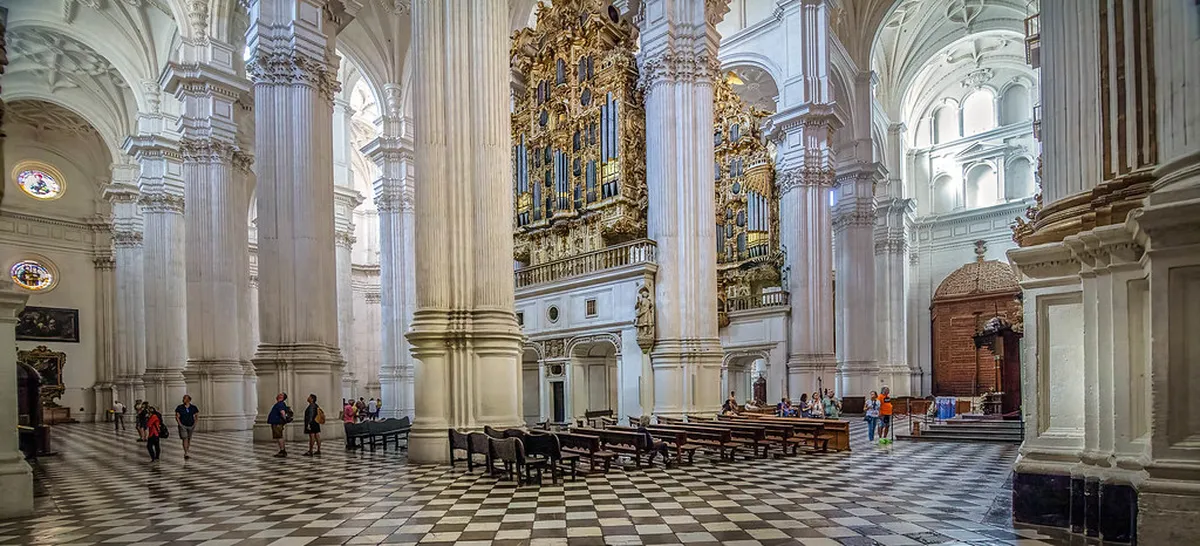
Table of Contents
Exploring Granada Cathedral's Main Architectural Styles
Granada Cathedral stands as a testament to Spain's rich history. It showcases a fascinating blend of architectural styles. This grand structure began after the Christian Reconquista. Its design tells a compelling story of ambition and artistic evolution.
Understanding the main architectural styles of Granada Cathedral enhances your visit. You will see influences from several eras. These elements combine to create a truly unique building. Prepare to explore this magnificent historical landmark.
Renaissance: The Cathedral's Defining Core
The dominant style of Granada Cathedral is undoubtedly Renaissance. Diego de Siloé, a visionary architect, shaped its design. He introduced revolutionary Renaissance concepts to Spain. His work began in 1528, dramatically altering the initial plans.
Siloé's Renaissance influence is clear in the cathedral's interior. You will notice its harmonious proportions. The spacious nave features classical orders. It reflects the era's emphasis on balance and grandeur.
A standout feature is the circular Capilla Mayor. This unique design choice sets Granada Cathedral apart. It provides a sense of monumental scale. The use of double columns adds to its dramatic effect. This space truly defines the cathedral's unique character.
Gothic Foundations and Intentions
While largely Renaissance, the cathedral's origins were Gothic. Enrique Egas designed the first plans in 1523. These plans followed traditional Gothic cathedral layouts. The initial foundations were indeed laid in the Gothic style.
You can still observe Gothic elements in certain areas. Look for the sturdy buttresses and strong foundations. These provide a glimpse into the original vision. The transition to Renaissance was a deliberate shift in architectural trends.
This blend of styles creates an intriguing narrative. It shows the evolution of art and power in Granada. The Royal Chapel of Granada, located nearby, is a pure example of Gothic architecture. It offers a strong contrast to the cathedral's later design.
Baroque Flourishes: The Grand Façade
The main façade of Granada Cathedral showcases splendid Baroque details. Alonso Cano, a renowned artist and architect, designed it. His work began in the mid-17th century. It added a new layer of artistic complexity.
This façade features impressive sculptures and ornamentation. The intricate carvings demonstrate Baroque grandeur. You will see classical columns and elaborate reliefs. These elements create a dynamic and theatrical entrance.
The towers, though incomplete, also reflect Baroque aesthetics. They contribute to the cathedral's imposing presence. This section truly exemplifies Baroque church architecture in the region. It's a visual feast for visitors.
Visiting Granada Cathedral in 2025
⭐ Recommendation: Don't miss out on amazing Granada tours - book now!
Planning your visit to Granada Cathedral in 2025 is easy. The cathedral is centrally located in Granada. It is open most days, but check current hours online. An entrance fee applies, usually around €5-€10 per person.
Allow at least 1-2 hours to explore the interior thoroughly. Pay attention to the intricate details. Consider an audio guide for deeper insights. It helps explain the complex architectural history.
You can book tickets in advance, especially during peak season. This helps avoid long queues. Many Granada architecture tours include the cathedral. They offer expert commentary on its fascinating design.
Frequently Asked Questions
💡 Pro Tip: Book your Granada adventures in advance through Viator for the best deals!
What makes Granada Cathedral's architectural style unique?
Granada Cathedral is unique due to its strong Renaissance character. It was one of Spain's first Renaissance cathedrals. Diego de Siloé's circular Capilla Mayor is especially distinctive. It creates a monumental space rarely seen elsewhere.
The blend of initial Gothic plans with later Baroque elements also adds to its charm. This evolution tells a rich historical story. Discover more about Granada's architectural heritage during your visit.
Who were the main architects of Granada Cathedral?
The main architects were Enrique Egas, Diego de Siloé, and Alonso Cano. Egas laid the initial Gothic foundations. Siloé developed the grand Renaissance design. Cano completed the Baroque main façade.
Their combined efforts resulted in the cathedral we see today. Each architect left their distinct mark. This collaborative history makes its design truly special.
Can I see Gothic architecture within Granada Cathedral?
Yes, some Gothic elements remain. The initial foundations and parts of the structure reflect early Gothic plans. However, these are largely subsumed by the dominant Renaissance style.
The overall impression is Renaissance. For more pure Gothic examples, visit nearby structures. The Royal Chapel offers a contrasting experience.
Granada Cathedral stands as a magnificent architectural marvel. It beautifully combines Renaissance, Gothic, and Baroque styles. This blend reflects centuries of artistry and ambition. Visiting in 2025 offers a chance to witness its grandeur firsthand.
Appreciate the intricate details and historical layers. Explore the architectural details of Granada. This cathedral is a must-see for any history or art enthusiast. Plan your trip to experience its enduring beauty.
Key Takeaways
- Granada Cathedral primarily showcases stunning Renaissance architecture.
- Look for Gothic foundations and Baroque additions, especially on the façade.
- The circular Capilla Mayor is a unique, must-see Renaissance feature by Siloé.
- Allow 1-2 hours for your visit; consider booking tickets online for 2025.