
Royal Chapel of Granada: History, Visits & Tips
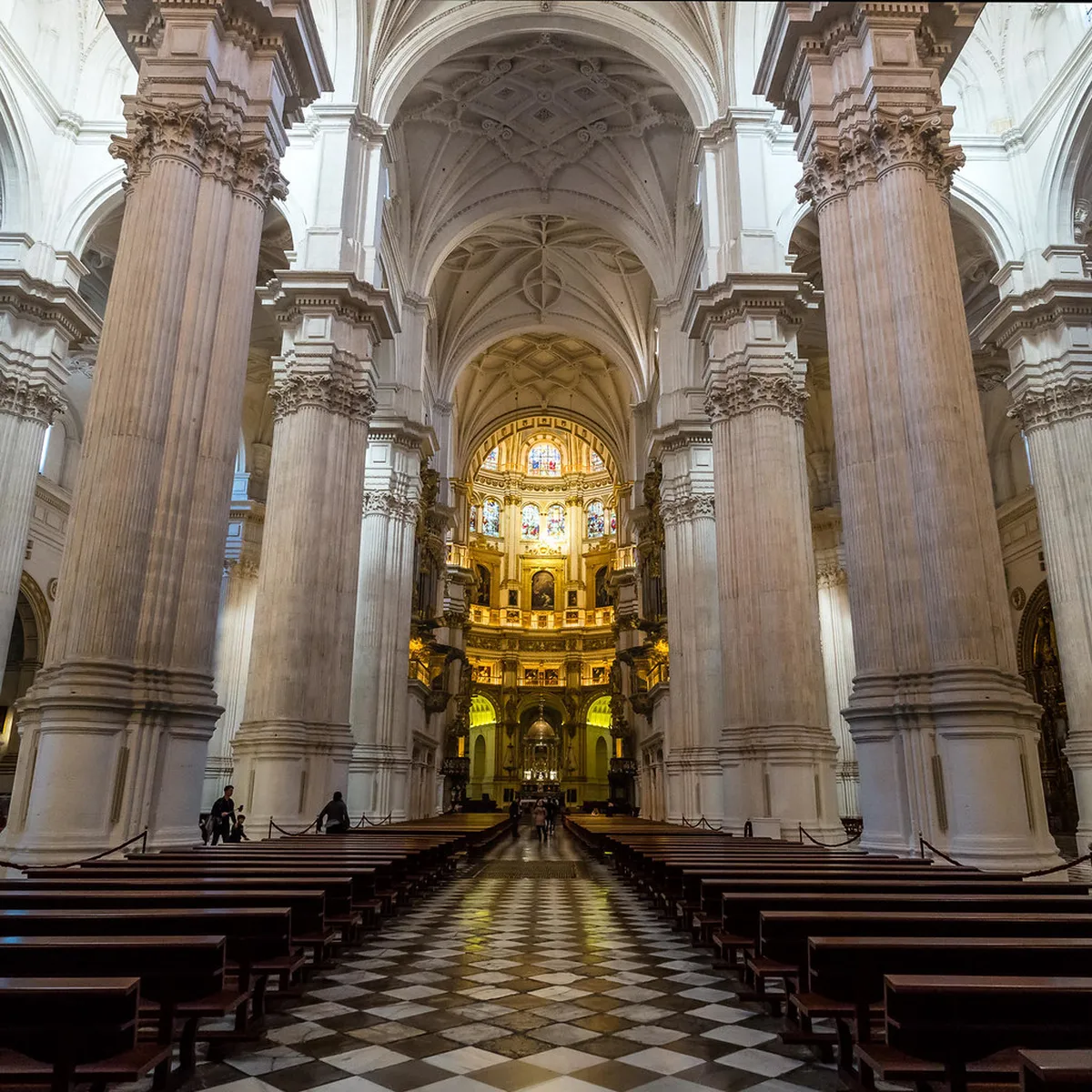
Table of Contents
Guide to the Royal Chapel of Granada in 2025
Welcome to Granada, a city rich in vibrant history. The Royal Chapel of Granada stands as a magnificent testament to Spain's past. It serves as the final resting place for the legendary Catholic Monarchs. Discover its grandeur and profound significance for your 2025 trip. This guide helps you navigate your visit to this iconic landmark. Learn more about Granada's unique architecture and its historical sites.
This impressive chapel is a highlight for many visitors. It offers a deep dive into Spanish royal history. Prepare to be amazed by its intricate design and solemn atmosphere. Explore the rich legacy of Ferdinand and Isabella here. This makes it a crucial stop on any self-guided walking tour of the city center.
History and Royal Legacy of the Chapel
The Royal Chapel of Granada was conceived by the Catholic Monarchs. Ferdinand II of Aragon and Isabella I of Castile ordered its construction. They wished for a grand mausoleum in their newly conquered city. This decision reflected their immense triumph in 1492.
Construction began in 1505, overseen by architect Enrique Egas. The chapel was completed in 1517, a few years after their deaths. It symbolized the unification of Spain. It also marked the end of the Reconquista period.
This chapel became a powerful statement of their reign. It demonstrated their enduring religious devotion. It solidified their place in Spanish history. The site remains deeply significant today.
Their bodies were moved here from their initial burial sites. This move fulfilled their final wishes. The Royal Chapel showcases the deep connection between faith and power. Discover more about the history of Granada's architecture.
Architectural Style and Design of the Chapel
The Royal Chapel of Granada exemplifies Isabelline Gothic style. This distinctive architectural style flourished in Spain. It merges late Gothic elements with Renaissance influences. You will notice its unique and elaborate decorations.
Architect Enrique Egas designed the chapel with remarkable precision. The exterior features strong buttresses and ornate pinnacles. Look for the delicate tracery around its windows. Its sturdy structure suggests eternal permanence.
Inside, the chapel boasts a single nave with side chapels. The high altar is a masterpiece of sculpture. A magnificent iron grille by Master Bartolomé prevents entry. This grille is an incredible example of Reja ironwork in Granada. It creates a stunning visual barrier.
The chapel's design perfectly complements the adjacent Cathedral. Both structures showcase Granada’s rich architectural layers. They stand as enduring symbols of the city’s complex past. The detailed artistry speaks volumes of its creators.
Inside the Chapel: Royal Tombs and Collections
The most important feature of the Royal Chapel is its royal tombs. Here lie Ferdinand II and Isabella I. Their children, Joanna the Mad and Philip the Handsome, also rest here. Prince Miguel, Isabella’s grandson, completes the royal burials.
These impressive marble mausoleums reside in the crypt. Gil de Siloé and Domenico Fancelli created these stunning works. Their detailed carvings tell stories of the monarchs' lives. They represent a significant artistic achievement.
Beyond the tombs, visit the Sacristy Museum. It houses a precious collection of artifacts. You will see Isabella's crown, scepter, and royal garments. There are also important paintings from her personal collection.
Masterpieces by artists like Rogier van der Weyden are displayed. These works offer a glimpse into the art preferences of the era. The museum provides valuable context to the chapel's history. It connects visitors with Spain’s royal heritage. Explore more architectural details of Granada on your visit.
Planning Your 2025 Visit to the Royal Chapel
🌟 Local Expert Tip: Get the most out of your Granada visit with guided tours!
Visiting the Royal Chapel requires some planning for 2025. It is open most days but hours vary by season. Check their official website for the most current information. Arrive early to avoid larger crowds.
Tickets can be purchased online or at the entrance. Booking your tickets ahead is highly recommended. This helps you skip the line tickets, especially during peak season. General admission is typically around 5 euros.
Photography is generally not allowed inside the main chapel area. Respect these rules to preserve the historic site. Dress respectfully, as it is a place of worship. Comfortable shoes are always a good idea.
Allow at least an hour to fully explore the chapel and museum. Consider combining your visit with the adjacent Granada Cathedral. You can learn more about visiting the Royal Chapel in Granada through our dedicated guide.
Exploring the Area Around the Royal Chapel
The Royal Chapel is located right in Granada's city center. Its prime location makes it easy to access. It is directly next to the impressive Granada Cathedral. These two buildings form a central historical complex.
After your chapel visit, step into the grandeur of the Granada Cathedral design. This massive Renaissance structure offers a stark contrast. Its stunning interior and vastness will certainly impress you. Consider a combined ticket for both attractions.
Wander through the bustling streets surrounding the chapel. You will find charming cafes and local shops. Discover traditional Granadan crafts and delicious tapas. The area is perfect for a leisurely stroll and local exploration.
Nearby, you can also explore other historical gems. The Alcaicería, an old silk market, is just a short walk away. It offers a glimpse into Granada's Moorish past. This vibrant neighborhood provides further cultural immersion.
Frequently Asked Questions
💡 Pro Tip: Book your Granada adventures in advance through Viator for the best deals!
What are the Royal Chapel of Granada opening hours in 2025?
The Royal Chapel usually opens from 10:00 AM to 6:30 PM. Hours might be shorter on Sundays and holidays. Always check the official website for seasonal changes. This ensures you plan your 2025 visit accurately.
Can I take photos inside the Royal Chapel?
No, photography is generally prohibited inside the chapel. This includes flash photography and video recording. Please respect these rules for preservation. You can capture exterior shots of this beautiful building. For more insights on the site, check our best photography spots in Granada.
Who is buried in the Royal Chapel of Granada?
The chapel is the burial site for several key historical figures. Ferdinand II of Aragon and Isabella I of Castile rest here. Their daughter Joanna I (the Mad) and her husband Philip I (the Handsome) are also interred. Isabella's grandson, Miguel da Paz, also lies within the chapel. You can learn more about the historical context in our history of Granada's architecture guide.
How much does it cost to enter the Royal Chapel in 2025?
General admission for the Royal Chapel typically costs 5 euros. Discounts may apply for students and seniors. Children under 12 often enter for free. Check the official site for the most up-to-date 2025 pricing. Purchasing a combined ticket with the Granada Cathedral can offer savings.
The Royal Chapel of Granada offers a profound journey into Spain's past. It reveals the legacy of its most pivotal monarchs. Its stunning architecture and rich history are unforgettable. Make sure this significant site is on your Granada itinerary for 2025.
Immerse yourself in the stories held within its walls. Plan your visit thoughtfully to fully appreciate its grandeur. This guide provides all necessary tips for a memorable experience. Start planning your architectural adventure today at Architect Tourist.
Key Takeaways
- Visit the final resting place of Spain's Catholic Monarchs.
- Admire the unique Isabelline Gothic architectural style.
- Book your tickets online in advance to save time and secure entry.
- Explore the Sacristy Museum for royal artifacts and art.
- Combine your visit with the adjacent Granada Cathedral for a full historical experience.