
Gothic Architecture in Granada: A Grand Tour
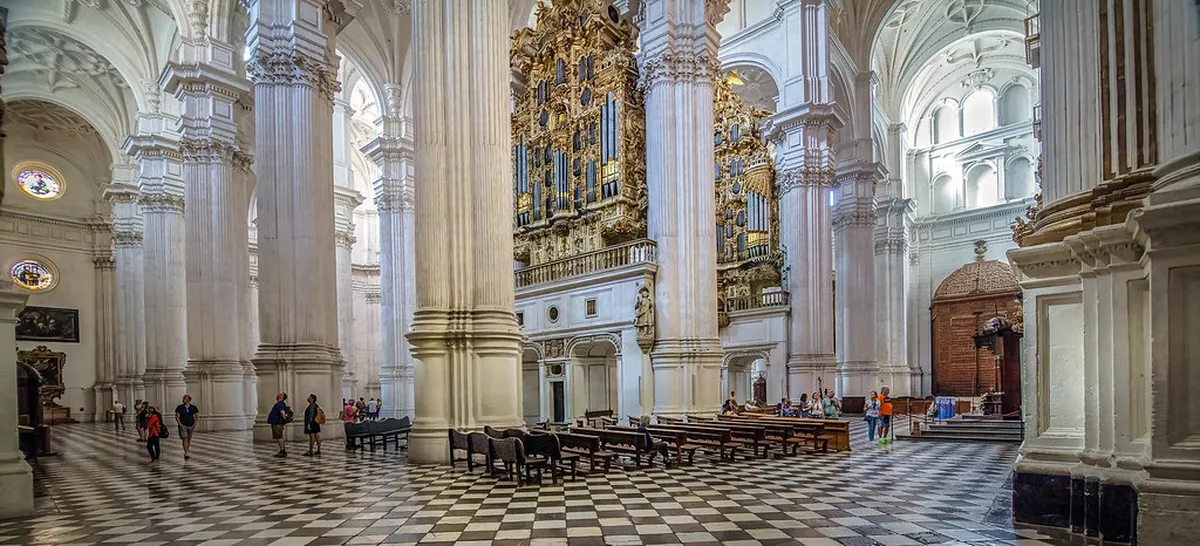
Table of Contents
Unveiling Granada's Gothic Architectural Gems
Granada is famous for its stunning Moorish palaces. However, this historic city also boasts significant Gothic architecture. These buildings reflect a pivotal time in Spanish history. After the Reconquista, new styles emerged. This guide explores Granada's fascinating Gothic architectural gems. Discover these magnificent structures in 2025. You can learn more about Granada's diverse architectural styles on our site.
The Emergence of Gothic Style in Granada
Gothic architecture arrived in Granada after 1492. The Catholic Monarchs brought this style following the city's reconquest. It marked a new era for Granada's urban landscape. This period saw the construction of major Christian monuments. These structures often blended with existing Moorish elements. Explore the rich history of Granada's architecture.
The Isabelline Gothic style became particularly prominent. This unique Spanish variant combined late Gothic flamboyant forms. It also integrated Renaissance and Mudejar decorative elements. Such a fusion created truly distinctive buildings. These structures stand as testaments to a complex cultural transition. Many early Christian buildings adopted this style.
Understanding this transition is key. Granada's architecture tells a story of conquest and adaptation. The city's new rulers left their indelible mark. They introduced architectural forms previously unseen here. This led to a fascinating blend of traditions. Learn more about the Mudejar style explained.
Royal Chapel of Granada: A Gothic Masterpiece
The Royal Chapel, or Capilla Real, exemplifies Gothic architecture in Granada. It houses the tombs of Ferdinand and Isabella. These Catholic Monarchs ordered its construction in 1504. The chapel showcases beautiful Isabelline Gothic features. Its elaborate portal and intricate ironwork are stunning.
Visitors in 2025 can admire its detailed ornamentation. The interior features a magnificent main altarpiece. This altarpiece depicts scenes from the lives of the monarchs. Entry costs around 5 euros. The chapel is typically open from 10:00 AM to 6:30 PM. Check current times for your visit.
This chapel is directly connected to Granada Cathedral. It represents the pinnacle of Isabelline Gothic. The detailed stone carvings are remarkable. Don't miss the small museum inside the chapel. It displays royal artifacts and vestments. For more details, consult our guide on the Royal Chapel of Granada.
Monastery of San Jerónimo: Renaissance with Gothic Echoes
The Monastery of San Jerónimo began in a Gothic style. However, it evolved into a significant Renaissance complex. It was founded in 1492 by the Catholic Monarchs. The church boasts a magnificent facade and impressive interior. Its construction spanned several decades.
Despite its Renaissance grandeur, Gothic elements persist. You can still see early Gothic foundations. The church's initial design incorporated Gothic principles. Later additions introduced classical Renaissance forms. This creates a unique architectural dialogue.
The monastery features two beautiful cloisters. Both display stunning architectural details. Admission is usually 4-5 euros. Opening hours are generally 10:00 AM to 1:30 PM and 3:30 PM to 6:30 PM. It is a peaceful place to explore. Discover more about the Monastery of San Jerónimo. This site offers great photography spots, detailed further in our guide to Granada's photography locations.
Granada Cathedral: A Blend of Styles
⭐ Recommendation: Don't miss out on amazing Granada tours - book now!
Granada Cathedral is primarily a Renaissance masterpiece. Yet, its origins lie in Gothic aspirations. The initial plans for the cathedral were distinctly Gothic. Construction began in 1523. Diego de Siloé later transformed its design. He introduced revolutionary Renaissance concepts.
The sheer scale and ambition reflect a post-Reconquista spirit. While not purely Gothic, the cathedral's foundation is crucial. It replaced the city's main mosque. This symbolic act reinforced Christian dominance. Visitors can still appreciate the transition in styles. Learn more about the Granada Cathedral's unique design.
Exploring the cathedral reveals magnificent chapels. These chapels showcase diverse artistic styles. Pay attention to the intricate carvings and grand proportions. It stands as a testament to evolving Spanish architecture. It is an unmissable site for any visitor. Tickets are around 5-6 euros. Consider purchasing skip-the-line tickets for convenience.
Where to Find Gothic Buildings in Granada
🎯 Insider Tip: Discover the best Granada experiences with Viator Tours!
Finding examples of Gothic architecture in Granada is rewarding. The Royal Chapel is your prime destination. It offers the most complete representation. You will witness the distinctive Isabelline Gothic style firsthand. This style is unique to Spain. Plan your visit for early morning to avoid crowds.
The Monastery of San Jerónimo also provides Gothic elements. Look for the older parts of the structure. Its evolution shows the blending of eras. Consider a self-guided walking tour to explore these sites. You can discover hidden architectural gems.
Some smaller churches might retain Gothic foundations. However, many were heavily modified. They often received Baroque or Renaissance additions. For a full experience of Gothic buildings in Granada, focus on the major landmarks. Always verify opening hours before your 2025 trip. Pay attention to specific architectural details of Granada.
Frequently Asked Questions
Where are the best examples of Gothic architecture in Granada?
The Royal Chapel (Capilla Real) offers the finest example. It showcases the distinctive Isabelline Gothic style. The Monastery of San Jerónimo also retains some Gothic elements. Look for these two key locations during your visit. You can find a comprehensive guide on where to find Gothic buildings in Granada on our website.
What is Isabelline Gothic architecture?
Isabelline Gothic is a unique Spanish architectural style. It blends late Gothic, Mudejar, and early Renaissance elements. This style flourished under Queen Isabella I. It is characterized by rich ornamentation and heraldic motifs. Learn more about exploring Isabelline Gothic style in Granada.
Does the Alhambra Palace feature Gothic architecture?
No, the Alhambra Palace is primarily Moorish. Its architecture showcases Islamic artistry and design. It was built during Nasrid rule. The Palace of Charles V, however, is Renaissance. It stands within the Alhambra complex. For more on this iconic site, read about Alhambra Palace architecture. The Alhambra is truly magnificent.
Granada's architectural landscape is incredibly rich. While Moorish wonders dominate, Gothic buildings tell another story. They represent a significant shift in the city's history. Exploring these sites offers a deeper understanding. Plan your 2025 trip to discover these hidden gems. For an immersive experience, consider joining Granada architecture tours. Uncover every layer of this amazing city.
Key Takeaways
- Granada's Gothic architecture emerged after the 1492 Reconquista.
- The Royal Chapel is the best example of Isabelline Gothic style.
- Monastery of San Jerónimo shows a blend of Gothic and Renaissance.
- Granada Cathedral has Gothic origins but evolved into Renaissance.
- Visit the Royal Chapel early for the best experience in 2025.