
Unveiling the Architecture of Palacio de Dar al-Horra
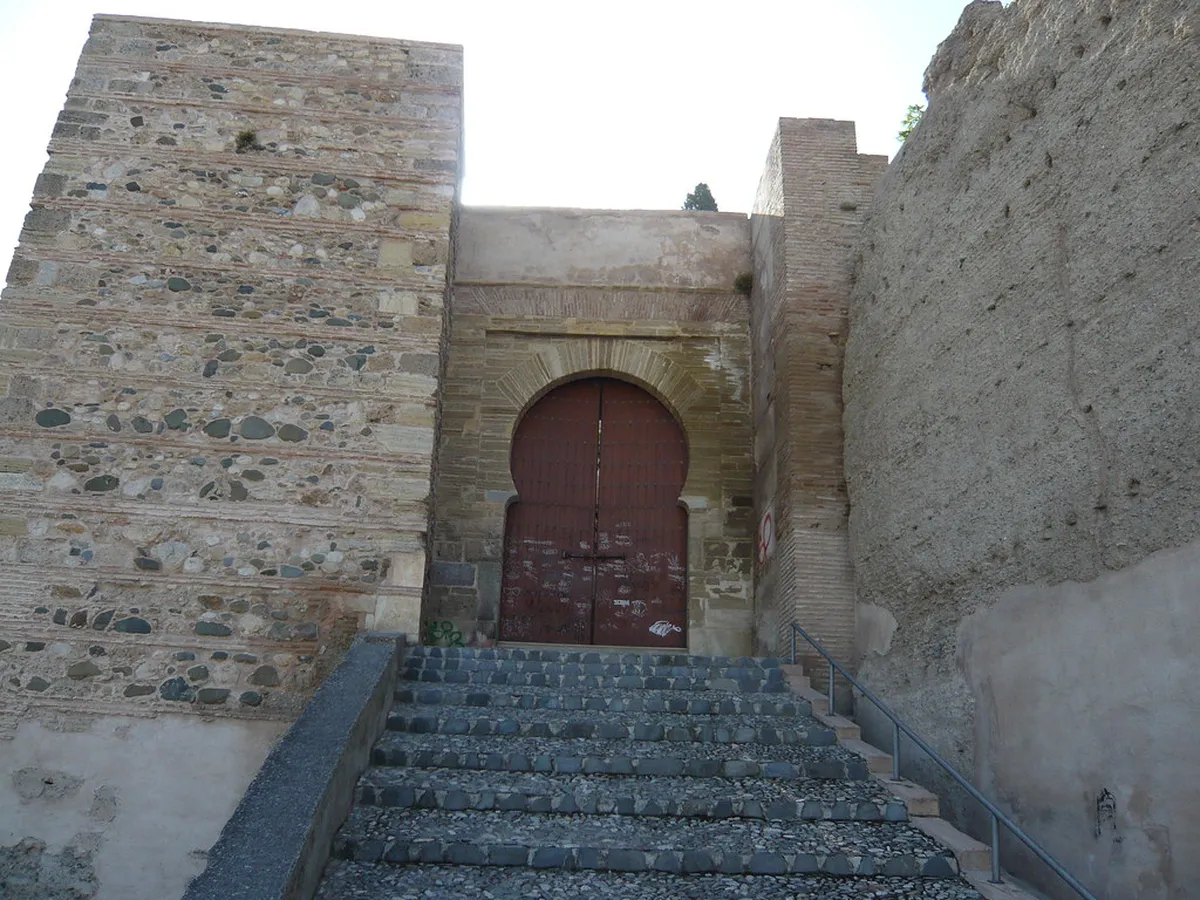
Table of Contents
Explore Dar al-Horra Palace Architecture in Granada 2025
Granada holds many hidden treasures for architects and history lovers. One such gem is the Palacio de Dar al-Horra. This ancient palace showcases stunning architectural details. It represents a significant period in Granada's rich past. Understanding the architecture of the Palacio de Dar al-Horra offers unique insights.
It stands as a testament to both Nasrid elegance and later Christian influences. Visiting this palace in 2025 provides a journey through time. Prepare to explore its intricate designs and historical significance. Our guide will reveal its most captivating features.
Nasrid Roots and Mudejar Architectural Fusion
The Palacio de Dar al-Horra began as a grand Nasrid dwelling. It was built in the 15th century. Its original design reflects classic Islamic architectural principles. These include tranquil courtyards and intricate decorative elements. The palace served as a private residence for Queen Aixa.
After the Reconquista, the palace underwent transformations. Christian rulers adapted the building for new purposes. This blending created a distinctive Mudejar style. This style combined Moorish artistry with Christian building techniques. Learn more about Nasrid palaces design in the region.
You can observe this fusion in many structural elements. Arches, ceilings, and patios show both influences. The palace is a prime example of Granada's evolving architectural landscape. It truly embodies a unique historical crossroads. The blend of styles makes it fascinating.
The palace walls tell stories of Granada's last Muslim queen. Its architectural details speak volumes. Visitors gain a deeper appreciation for the city's complex heritage. It stands apart from other grander structures. The Mudejar style explained often highlights this palace.
Key Architectural Features to Observe Closely
Upon entering, a central courtyard immediately captures your attention. This courtyard is a hallmark of Islamic domestic architecture. It provides light, air, and a sense of calm. The layout ensures privacy and comfort for residents.
Look up to admire the stunning carved wooden ceilings. These ornate ceilings are a highlight of the palace. They display geometric patterns and star motifs. Such craftsmanship is typical of Nasrid interior design. Explore carved wooden ceilings across Granada.
The arches throughout the palace exhibit graceful forms. They show both pointed Nasrid arches and later horseshoe adaptations. These structural elements are beautiful and functional. Intricate plasterwork adorns many of the archways. This delicate detail is a signature of the era.
Another striking feature is the ceramic tilework, known as zellij. These colorful tiles create mesmerizing patterns on walls and floors. They reflect light beautifully. The geometric precision of Islamic tilework zellij is truly remarkable. Each piece contributes to a larger artistic tapestry.
A Queen's Residence: History Reflected in Design
The palace was once home to Aixa, mother of Boabdil. Boabdil was Granada's last Nasrid king. Her residence here speaks volumes about her influential status. The design catered to her needs for privacy and nobility.
Its strategic location in the Albaicín was also crucial. It offered views over the city and the Alhambra. This viewpoint allowed for both security and beauty. The palace played a significant role in political events. It was where Aixa strategized with her son.
Later, the Catholic Monarchs granted the palace to an order of nuns. They adapted it for convent life. This conversion introduced new elements and changes. Despite these, much of its original character remains preserved. It stands as a profound example of the last Nasrid palace built in Granada.
The palace's quiet charm contrasts with the Alhambra's grandeur. It offers a more intimate glimpse into Nasrid life. This makes it a compelling site for historical study. Its architecture tells a continuous story. This narrative spans several centuries and cultures.
Visiting the Palacio de Dar al-Horra in 2025
⭐ Recommendation: Don't miss out on amazing Granada tours - book now!
The Palacio de Dar al-Horra is nestled in the Albaicín district. This historic neighborhood is a UNESCO World Heritage site. Accessing the palace requires walking through charming, narrow streets. Consider combining your visit with an Albaicín neighborhood architecture tour.
The palace is usually open Tuesday to Saturday. Hours are typically 10:00 AM to 5:00 PM. Always check the official website for current timings and ticket prices in 2025. Entrance fees are generally modest, around 2-3 euros. This small fee supports its preservation.
Allow at least one hour to explore the palace thoroughly. Take your time to appreciate the intricate details. Early mornings or late afternoons are best to avoid crowds. The light is also ideal for photography during these times. Discover more about Granada architecture tours.
Getting there involves a pleasant uphill walk. Comfortable shoes are highly recommended. Public transport options like the C31 or C32 bus stop nearby. This palace offers a quieter, more personal architectural experience. It is a must-see for deep historical insight.
Frequently Asked Questions
What is the historical significance of Dar al-Horra Palace?
This palace was the last residence of a Nasrid queen in Granada. Queen Aixa, mother of Boabdil, lived here. It represents the final era of Muslim rule. The palace then became a Christian convent. Its history reflects Granada's cultural transitions.
How does its architecture compare to the Alhambra?
Dar al-Horra offers a more intimate scale than the vast Alhambra. It shares similar Nasrid artistic elements, like intricate plasterwork. However, it also shows distinct Mudejar adaptations. The Alhambra Palace architecture is grander. Dar al-Horra reveals daily life within a royal setting. It provides a unique perspective on Nasrid design.
Can I visit the palace in the Albaicín neighborhood?
Yes, the palace is open to visitors in the historic Albaicín. It is located at Cuesta de la Alfambra, 5. Walking through the Albaicín is part of the experience. Many visitors enjoy a self-guided walking tour to reach it. Checking official opening times for 2025 is always recommended.
The architecture of the Palacio de Dar al-Horra stands as a beautiful testament. It shows Granada's rich and complex history. Its blend of Nasrid and Mudejar styles is truly captivating. Plan your visit to this unique palace in 2025. Immerse yourself in its quiet elegance and powerful past. It offers an unforgettable cultural experience.
Key Takeaways
- Explore Nasrid and Mudejar architectural blend at Dar al-Horra.
- Observe intricate wooden ceilings and detailed tilework (zellij).
- Understand the palace's role as a royal Nasrid residence.
- Visit in 2025 for a quiet, historical experience in the Albaicín.