
Zellij: Discover Granada's Exquisite Islamic Tilework
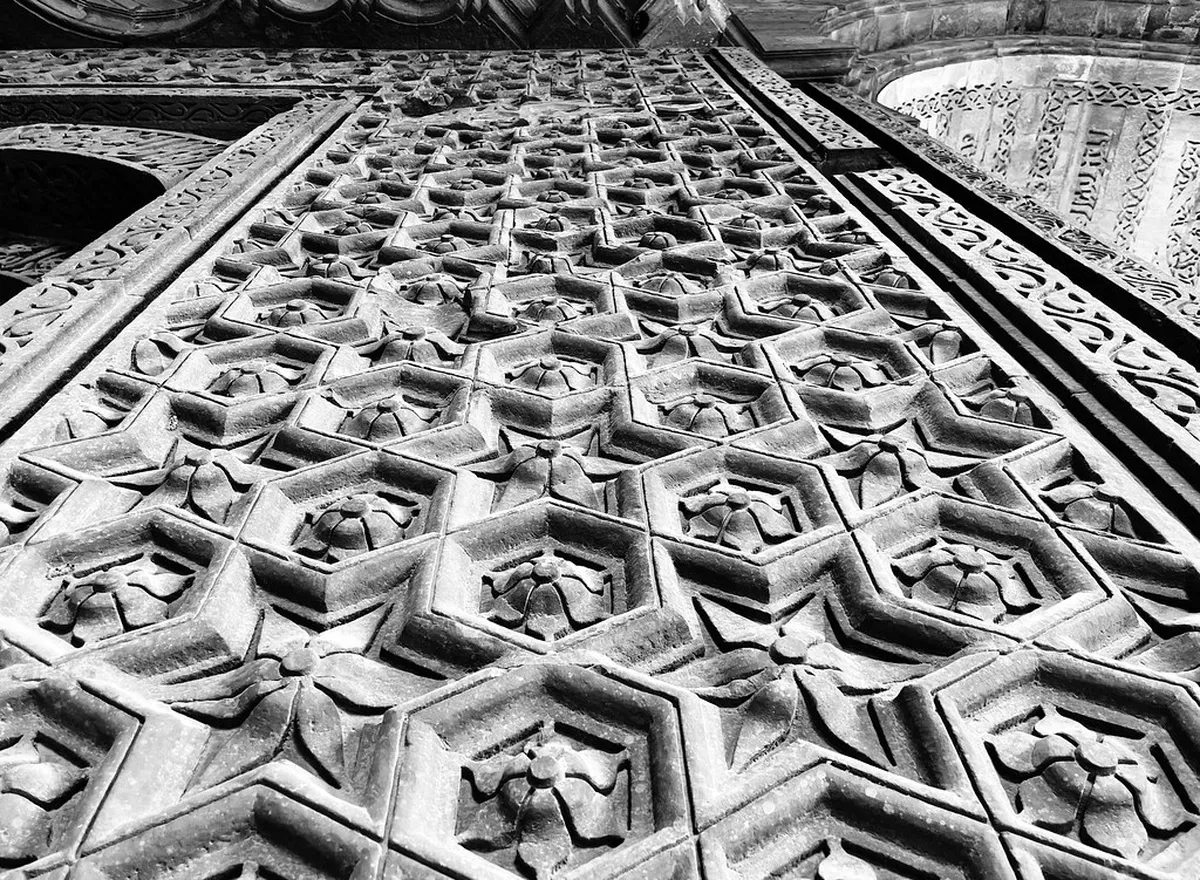
Table of Contents
Granada's Islamic Tilework: A Zellij Masterpiece Guide
Granada, Spain, captivates visitors with its rich history. The city's stunning architecture tells many stories. Among its treasures is exquisite Islamic tilework, known as Zellij. These geometric patterns are a hallmark of Moorish design.
Zellij elevates spaces with vibrant colors and complex designs. It reflects a profound artistic and mathematical tradition. This guide helps you explore Granada's most beautiful Zellij examples. Prepare for an unforgettable journey into ancient artistry in 2025. Discover more about Granada's unique architecture.
Understanding the Art of Zellij in Granada
Zellij refers to hand-cut ceramic tiles. Artisans meticulously shape glazed pieces. They form intricate mosaic patterns without gaps. This art form dates back centuries in Islamic cultures. It reached its peak in Nasrid Granada.
Each tile fragment, or tessera, fits perfectly. The process requires immense skill and precision. Traditional colors include white, black, blue, green, and brown. These natural pigments create lasting beauty. Learn about the fascinating history of Granada's architecture.
The patterns are never random. They often represent stars, flowers, or abstract geometry. These designs carry symbolic meanings. They reflect the order of the universe. This mathematical precision is truly remarkable.
Zellij showcases the Mudejar style in Spain. This fusion of Islamic and Christian elements is unique. You will see its influence across Granada. Dive deeper into the Mudejar style explained.
The Alhambra: Granada's Zellij Crown Jewel
The Alhambra Palace is home to unparalleled Zellij. Its Nasrid Palaces showcase the finest examples. Every wall and arch boasts intricate patterns. The Court of the Myrtles offers stunning reflections.
The Hall of the Ambassadors features a breathtaking Zellij dado. Geometric stars and polygons cover the surfaces. The vibrant colors remain striking today. These designs served both decorative and symbolic purposes. Explore the Alhambra Palace's architecture in detail.
The Court of the Lions also features impressive tilework. Water channels flow past Zellij-decorated walls. The craftsmanship here is truly astonishing. Imagine the artisans working on each piece by hand.
Visiting the Nasrid Palaces is essential. Book your tickets well in advance for 2025. This ensures you experience these masterpieces fully. Find out more with our Alhambra tickets guide.
Look closely at the various motifs. Each section offers a different design. Some patterns are simple; others are incredibly complex. They demonstrate the mastery of Islamic art. Discover the Nasrid Palaces' unique design.
Beyond the Alhambra: Other Zellij Treasures
While the Alhambra is famous, other sites hold Zellij. The Albaicín neighborhood reveals hidden gems. Many private homes and courtyards feature fragments. Look for these beautiful details on your walks.
The Palacio de Dar al-Horra offers exquisite examples. This former Nasrid queen's palace displays fine tilework. Its smaller scale allows for a more intimate viewing. It provides a glimpse into royal domestic life.
You can find smaller Zellij pieces in museums. The Casa de Zafra Museum houses some excellent fragments. These offer context to the larger palace designs. They show the widespread use of this art.
Walk through Granada's historic Albaicín. You might spot Zellij in various forms. Many older buildings still retain their original decorative elements. Take a self-guided walking tour through this charming area. Notice the hidden courtyards of Granada.
Interpreting Zellij Patterns and Meanings
⭐ Recommendation: Don't miss out on amazing Granada tours - book now!
Zellij patterns are more than just decoration. They often convey deeper meanings. Geometric shapes represent infinity and divine order. Stars symbolize the celestial realm. This intricate art form connects heaven and earth.
Eight-pointed stars are common. They symbolize completion and unity. Intricate tessellations reflect Islamic mathematical advancements. These designs were spiritual expressions. They created contemplative spaces.
Arabesque motifs often intertwine with Zellij. These organic, flowing patterns complement the geometry. Together, they create a harmonious visual language. This duality adds another layer of beauty.
Colors also hold significance. Blue often represents the sky and heaven. Green symbolizes paradise and nature. Red might indicate passion or sacrifice. Each hue contributes to the overall message. Understand the meaning of Zellij tile patterns. Learn more about Granada's architectural details.
Experiencing Zellij: Tips for Your 2025 Visit
Plan your Alhambra visit carefully for 2025. Arrive early to avoid large crowds. This allows for better views of the Zellij. Morning light can enhance the tile colors.
Bring a good camera to capture the details. A zoom lens will help with high-up patterns. Remember to respect the sites. Photography without flash is usually permitted.
Consider joining a guided tour. Experts can explain the symbolism and history. They highlight details you might miss. These tours enrich your understanding significantly. Book a Granada architecture tour for insights.
Look for workshops if you're interested. Some local artisans offer Zellij classes. This offers a hands-on experience. It is a wonderful way to appreciate the craft.
Take your time in each room. The beauty lies in the small details. Let your eyes follow the lines and shapes. You will discover new patterns with every glance. This truly makes the experience special. Observe the best examples of tilework in the Alhambra.
Frequently Asked Questions
What is the primary difference between Zellij and other tiles?
Zellij tiles are individually hand-cut. They are shaped into geometric tesserae. These small pieces fit together precisely. This creates a seamless mosaic pattern. Other tiles are often manufactured in standard shapes.
Where can I see the best Zellij outside the Alhambra in Granada?
Visit the Palacio de Dar al-Horra. It showcases beautiful historic Zellij. The Casa de Zafra Museum also has impressive fragments. Walk through the Albaicín for hidden courtyard examples. Learn about Palacio de Dar al-Horra and its rich history.
Are there specific symbolic meanings behind Zellij patterns?
Yes, Zellij patterns hold deep symbolism. Geometric shapes often represent divine unity and infinity. Star patterns symbolize celestial bodies. Each design reflects a rich cultural and spiritual heritage. Explore more about Moorish architectural elements.
Granada's Islamic tilework, or Zellij, is a true art form. It connects visitors to a rich past. The intricate patterns tell stories of culture and mathematics. Your 2025 visit will be enriched by understanding this craft.
Take time to appreciate these vibrant mosaics. They are a testament to human creativity. Immerse yourself in the geometric beauty of Granada. Plan your detailed exploration today. Find more travel guides at Architect Tourist for your next adventure.
Key Takeaways
⭐ Recommendation: Don't miss out on amazing Granada tours - book now!
- Zellij uses hand-cut ceramic tiles forming intricate geometric mosaics.
- The Alhambra's Nasrid Palaces feature the most exquisite Zellij examples.
- Patterns often carry deep symbolic meanings, representing divine order and infinity.
- Look beyond major sites; the Albaicín and smaller palaces hold hidden Zellij gems.
- Consider a guided tour for deeper insights into Zellij's history and artistry.