
Royal Chapel Granada: Its Unique Architectural Style
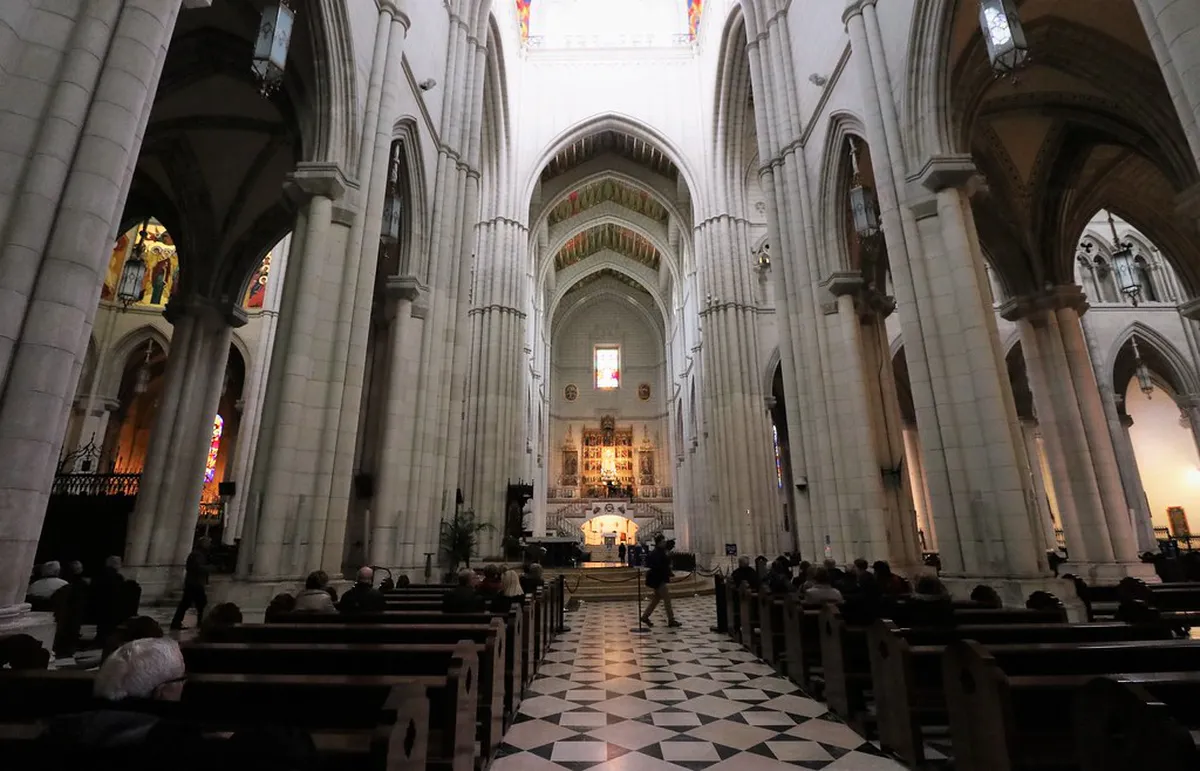
Table of Contents
Royal Chapel of Granada: Unveiling Its Architectural Style
The Royal Chapel of Granada stands as a testament to Spain's rich history. It showcases a fascinating blend of architectural influences. This structure is famously the burial place of the Catholic Monarchs.
Understanding the architectural style of the Royal Chapel reveals much about its era. It combines late Gothic with early Renaissance elements. Dive into the unique design of this iconic Granada landmark. Discover its historical significance and artistic beauty during your Granada architecture tour.
A Look at Isabelline Gothic Style Elements
The primary architectural style of the Royal Chapel is Isabelline Gothic. This unique Spanish style flourished under Queen Isabella I. It emerged during the late 15th and early 16th centuries. You will notice its distinctive features throughout the chapel.
Isabelline Gothic blends traditional Gothic forms with Mudejar influences. It also incorporates elements from the nascent Renaissance. Look for intricate stone carving and heraldic motifs. The style reflects the political and religious fervor of its time.
Pointed arches and ribbed vaults are characteristic Gothic features here. However, decoration often includes Moorish details. This fusion creates a visually rich and historically significant appearance. It marks a transition period in Spanish art and architecture.
You can see complex geometric patterns in some decorative elements. These demonstrate the lasting impact of Mudejar style explained in Granada. The overall impression is one of grandeur and deeply symbolic design. This chapel embodies a pivotal moment for Spanish culture and royal power.
Renaissance Influences and Decorative Art
While Gothic forms dominate, early Renaissance influences are also evident. These details often appear in the chapel's decorative art. The main altarpiece is a prime example of this artistic shift. It showcases classical motifs and a more structured composition.
The main altarpiece features sculptures by Felipe Vigarny. These depict scenes from the life of Christ. The use of perspective and anatomical accuracy reflects Renaissance ideals. This blend highlights the chapel's transitional nature.
Visitors will find the Granada Cathedral, adjacent to the chapel, also displays Renaissance elements. The Royal Chapel's interiors are elaborate and opulent. Look for the delicate iron screen, or reja, by Master Bartolomé. This masterpiece itself blends Gothic and Renaissance styles.
The sacristy houses a significant collection of artwork. Here you will find Flemish paintings owned by Queen Isabella. These art pieces brought Northern Renaissance styles to Spain. They further illustrate the period's diverse artistic currents.
The Funerary Monument and Royal Tombs
The core purpose of the Royal Chapel was as a royal mausoleum. It houses the tombs of Queen Isabella I and King Ferdinand II. Their elaborate sarcophagi are central to the chapel's design. These monuments are masterworks of Renaissance sculpture.
Domenico Fancelli carved the tomb of Ferdinand and Isabella. Bartolomé Ordóñez sculpted the tombs of Joanna the Mad and Philip the Handsome. These white marble tombs rest beneath the main altar. They symbolize eternal rest for the Catholic Monarchs.
The artistic detail on these tombs is exceptional. Each figure shows a serene and idealized representation. Carvings depict biblical scenes and classical imagery. These elements are hallmarks of High Renaissance funerary art.
This solemn space underscores the chapel's sacred function. It offers a powerful reminder of royal legacy. The chapel perfectly fulfills its role as a monumental burial site. Consider joining a Granada architecture tour to learn more.
Practical Information for Visiting in 2025
⭐ Recommendation: Don't miss out on amazing Granada tours - book now!
The Royal Chapel is a must-see for history and architecture lovers. It is located in the heart of Granada, next to the Cathedral. Plan your visit for 2025 to experience its grandeur firsthand. The chapel is generally open daily, with varied hours.
Current adult admission fees are around 5-6 Euros. Children and seniors often receive discounts. You can purchase tickets at the entrance. Booking in advance is not usually necessary for entry only.
We recommend dedicating at least one hour for your visit. This allows ample time to appreciate the tombs and art. Photography is often restricted inside the chapel itself. Check current policies upon arrival.
The chapel is easily accessible by public transport or on foot. It is a short walk from many central hotels. Combine your visit with the nearby Granada Cathedral. Both offer deep insights into Spanish history and art. Look for specific opening times before your trip to Granada.
Comparing the Chapel with Other Granada Structures
The Royal Chapel's architectural style stands out in Granada. It offers a strong contrast to the Moorish Alhambra Palace architecture. While the Alhambra boasts Islamic artistry, the chapel represents Christian Spain.
Nearby, the Palace of Charles V at the Alhambra shows pure Renaissance style. This later building lacks the Gothic roots of the chapel. It provides an excellent comparison for architectural evolution. Granada offers a rich tapestry of historical buildings.
The Royal Chapel also differs from the Baroque churches of the city. Buildings like the Monastery of San Jerónimo display distinct Baroque flourishes. Its solemnity and transitional design are truly unique. Each structure tells a different story of Granada's past.
Exploring these varied styles highlights Granada's diverse heritage. From ancient Moorish arches to elaborate Gothic chapels, the city captivates. The Royal Chapel remains a critical piece of this architectural puzzle. It marks the shift from medieval to modern Spain.
Frequently Asked Questions
What makes the architectural style of the Royal Chapel unique?
The architectural style of the Royal Chapel is primarily Isabelline Gothic. This style blends traditional Gothic forms with Mudejar elements. It also shows early Renaissance influences. This fusion creates a distinctly Spanish aesthetic.
Its unique character reflects Spain's transition period. The chapel embodies the cultural shifts of the late 15th century. It combines regional traditions with emerging European trends. This makes it a fascinating study for architects and historians.
When was the Royal Chapel of Granada built, and who designed it?
The construction of the Royal Chapel began in 1505. It was completed in 1517. Enrique Egas designed the chapel. He was a prominent architect of the period. His vision brought the Isabelline Gothic style to life.
The chapel was specifically commissioned by the Catholic Monarchs. They intended it as their final resting place. Its construction followed the Reconquista of Granada. This project symbolized Christian victory.
Can I see Mudejar influences within the Royal Chapel's architecture?
Yes, Mudejar influences are subtly present within the chapel's architectural style. While predominantly Gothic, look for decorative elements. These might include geometric patterns or specific ornamentation. Such details reflect Granada's rich Moorish heritage.
The blending of Christian and Islamic artistry is a hallmark of the Isabelline style. This cultural exchange is visible in many Spanish buildings. You can explore more architectural details of Granada. The Royal Chapel beautifully illustrates this fusion.
The architectural style of the Royal Chapel in Granada is a captivating blend. It masterfully combines Isabelline Gothic with early Renaissance elements. This structure stands as a powerful symbol of Spain's history. It showcases artistic innovation and royal legacy.
Visiting this iconic site offers a profound experience. You can admire its beauty and understand its historical context. Plan your journey to explore this unique piece of Spanish heritage. Discover more about Granada's architectural history today.
Key Takeaways
- The Royal Chapel's primary style is Isabelline Gothic, a unique Spanish blend.
- Early Renaissance art, like the main altarpiece, significantly influences its interiors.
- It serves as the solemn burial site for the Catholic Monarchs.
- Visitors in 2025 can explore this historical site for approximately 5-6 Euros.
- The chapel offers a striking architectural contrast to Granada's Moorish structures.